In Mali, Shahed-136 Drones Used for the First Time in the Conflict
Malian forces and Russian auxiliaries deployed Shahed-136 drones in northern Mali in early July, marking their first confirmed use in the conflict. Two incidents, including a July 17 explosion in Talhandak, confirm this new long-range strike capability.
Intelligence analysis by Gemini 2.5 Flash
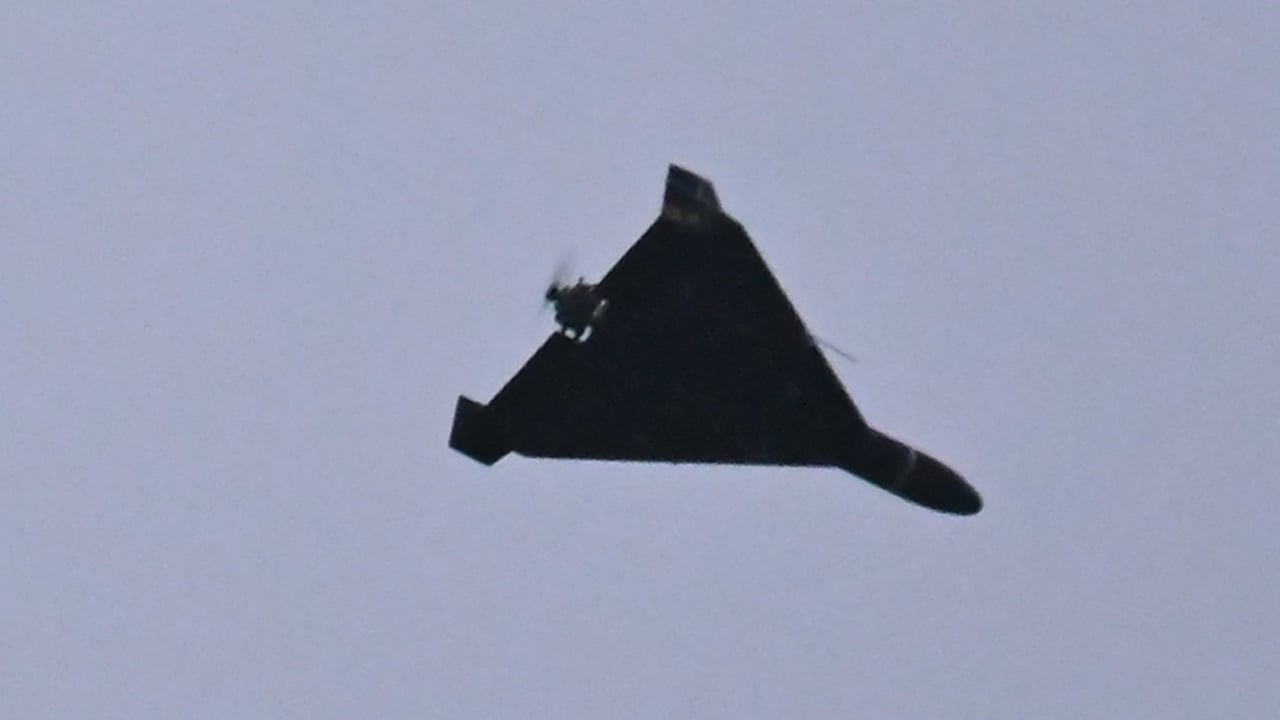
The conflict in Mali has escalated with the introduction of Iranian-designed Shahed-136 drones by Malian forces and their Russian partners. This development, confirmed by investigations from Jeune Afrique and Bellingcat, signifies a new phase in the conflict, introducing advanced long-range strike capabilities.
Imagine a remote-controlled airplane that can fly very far and then crash into something to make a big boom. In Mali, soldiers and their helpers from Russia just started using these special "boom-planes" called Shahed-136 drones for the first time. One of these planes caused an explosion that destroyed a truck and hurt a person in a village.
Analysis
A New Dimension to the Sahel Conflict
The introduction of Shahed-136 drones into the Malian conflict marks a significant escalation, fundamentally altering the tactical landscape. These Iranian-designed, one-way attack drones, often referred to as "loitering munitions" or "kamikaze drones," provide a long-range strike capability previously unavailable to Malian forces and their Russian partners. Their deployment, confirmed by investigations from Jeune Afrique and Bellingcat, suggests a strategic shift towards more sophisticated aerial warfare in a region already grappling with complex security challenges.
The incident on July 17, 2026, in Talhandak, where a Shahed-136 drone destroyed a truck and caused a casualty, underscores the immediate and lethal impact of this new weapon system. This event, occurring near the Algerian border, highlights the potential for these drones to strike targets deep within contested territories, posing a new threat to various armed groups and potentially civilians. The ability to conduct precision strikes from a distance could give the Malian military a significant advantage, but also raises concerns about collateral damage and the rules of engagement.
The Russia-Mali Military Axis
The deployment of Shahed-136 drones further solidifies the deepening military cooperation between Mali and Russia. While the article does not explicitly state Russia supplied the drones, it notes their use by "Malian forces and their Russian auxiliaries," implying Russian involvement in their operation or procurement. This aligns with a broader trend of Mali turning to Russia for military support and training following the withdrawal of French forces.
This partnership has seen Russia provide various military assets and personnel, often through entities like the "Africa Corps" (formerly Wagner Group). The integration of advanced drone technology like the Shahed-136 into Mali's arsenal, likely facilitated by Russia, demonstrates a commitment to enhancing Mali's combat capabilities. This strategic alliance is reshaping regional power dynamics and challenging traditional Western influence in the Sahel.
Implications for Regional Stability
The introduction of Shahed-136 drones carries profound implications for regional stability in the Sahel. The enhanced strike capabilities of Malian forces could lead to an intensification of the conflict against various insurgent and jihadist groups, potentially resulting in increased violence and displacement. Neighboring countries, particularly those sharing borders with Mali, may view this development with concern, fearing spillover effects or a regional arms race.
Furthermore, the use of such advanced weaponry by a state with a complex human rights record, as noted in previous reports regarding Russian-supplied cluster munitions, raises questions about accountability and adherence to international humanitarian law. The long-term consequences for civilian populations and the broader security architecture of West Africa remain uncertain, but the immediate impact points towards a more volatile and technologically advanced conflict environment.
Key points
- Shahed-136 drones were deployed by Malian forces and Russian auxiliaries in northern Mali in early July.
- This marks the first confirmed use of these long-range strike drones in the Malian conflict.
- Two incidents, authenticated by Jeune Afrique and Bellingcat, confirm their deployment.
- One incident on July 17, 2026, involved a drone destroying a truck and causing a casualty in Talhandak, near the Algerian border.
- The use of these drones signifies a new phase in the conflict, introducing advanced aerial strike capabilities.
The introduction of advanced, long-range attack drones could lead to increased civilian casualties and a further intensification of the conflict, potentially destabilizing the already fragile Sahel region. This new capability might also provoke a response from opposing factions, leading to a dangerous arms race.