India built the world's biggest digital payments miracle. Now comes the bill
India's Unified Payments Interface (UPI) has become a global success, enabling instant, free digital transactions for over 550 million people. However, the government is now considering introducing merchant fees for larger transactions to cover the system's operational co…
Intelligence analysis by Gemini 2.5 Flash
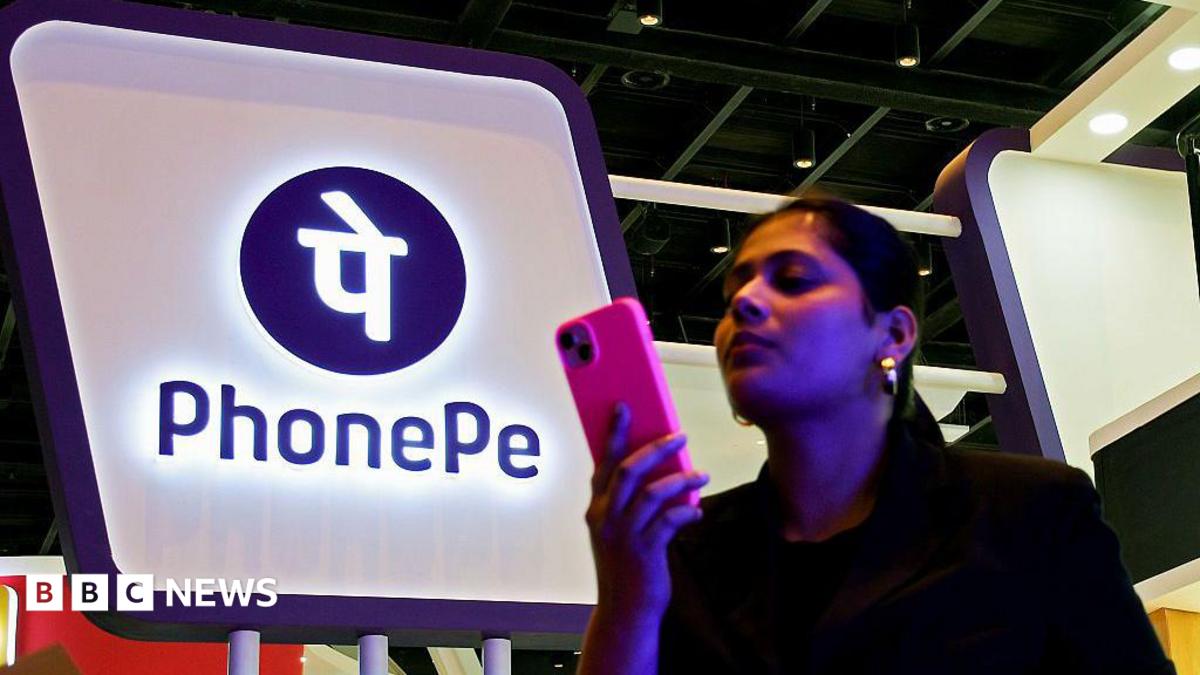
The UPI system, launched in 2016, has revolutionized digital payments in India by creating an open network where competing apps can operate. While consumers and person-to-person payments are expected to remain free, a proposed merchant discount rate (MDR) on high-value transactions at larger businesses aims to fund the infrastructure, raising questions about its potential impact on th…
Imagine you have a magic wallet on your phone that lets you pay for anything instantly, like buying candy or paying your friend back, without using cash or cards, and it costs you nothing. That's what India built with UPI! But running this magic system costs money, like keeping the lights on in a big office. So, the grown-ups are thinking about asking bigger shops to pay a tiny fee when someone buys something expensive, like a new TV, to help keep the magic wallet working for everyone, especially for small things like buying vegetables.
Analysis
India's Unified Payments Interface (UPI) represents a monumental achievement in digital financial inclusion, transforming how hundreds of millions of people conduct daily transactions. Its success stems from a unique design that fosters competition among payment apps while operating on a common, open digital infrastructure managed by the National Payments Corporation of India. This model has allowed UPI to scale rapidly, processing 23.6 billion transactions worth 29.87 trillion rupees in July alone, making it one of the world's largest real-time payment networks. The system's 'free' nature for users and merchants has been a cornerstone of its widespread adoption, particularly among small businesses and informal traders who could accept payments with just a QR code, bypassing the need for expensive card terminals.
Unified Payments Interface
The Unified Payments Interface (UPI) has fundamentally reshaped India's financial landscape since its inception in 2016. Its architecture, which allows various fintech apps like PhonePe and Google Pay to interoperate seamlessly, has been critical to its rapid expansion. This open-network approach contrasts sharply with closed-loop payment systems, fostering innovation and competition while ensuring broad accessibility. The sheer volume of transactions, reaching 241.6 billion in the last financial year, underscores its deep integration into the daily economic activities of over 550 million users, extending its reach to 11 countries outside India.
Merchant Acceptance
The role of merchant acceptance has been identified as a primary driver, not merely a consequence, of UPI's success. Economists Abhinav Motheram and Sharon Buteau's research highlights that districts with robust merchant networks experienced higher UPI adoption rates. The absence of a merchant discount rate (MDR) has been pivotal, removing financial disincentives for small vendors, from vegetable sellers to taxi drivers, to embrace digital payments. This widespread acceptance among small and informal merchants, operating on thin margins, has been crucial for the system's mass appeal and its ability to penetrate diverse economic strata across the country.
2,000 Rupees
The proposed introduction of merchant fees is carefully designed to mitigate risks to this broad-based adoption. Discussions reportedly center on targeting transactions above a 2,000 rupees threshold at larger merchants, leaving smaller businesses and low-value payments unaffected. This strategy aims to generate a substantial new revenue stream, potentially up to a billion dollars, for banks and payment companies, which have historically borne the costs of maintaining the 'free' public infrastructure. Transactions above this threshold, while only 4% of merchant-payment volumes, account for approximately 67% of their total value, according to Jefferies, suggesting a significant revenue opportunity without broadly impacting the everyday small transactions that define UPI's success. The Reserve Bank of India governor, Sanjay Malhotra, emphasized that the system's operational costs must be covered, stating, "Someone will have to pay the cost," acknowledging the need for a sustainable funding model for this critical digital public good.
Key points
- India's UPI is one of the world's largest real-time payment networks, processing billions of transactions monthly.
- The system has been largely free for users and merchants, driving widespread adoption, especially among small businesses.
- The government is considering introducing a merchant discount rate (MDR) on larger transactions at big businesses to cover operational costs.
- Proposed fees would likely apply to transactions above 2,000 rupees, leaving most small payments and person-to-person transfers free.
- Economists suggest that merchant acceptance, driven by the 'free' model, was a key factor in UPI's rapid growth.
If implemented carefully, the proposed merchant fees could provide a sustainable funding model for UPI, ensuring its continued operation and innovation without burdening small businesses or everyday users. This could lead to further enhancements in the system's security and efficiency, solidifying its role as a global leader in digital payments.
There's a risk that even small fees, if not precisely designed, could deter small and informal merchants from accepting UPI, especially those operating on thin margins. This could slow the expansion of the merchant network, which has been a key driver of UPI's success, potentially hindering digital adoption in developing areas.