Indian students step up exam protests in Jharkhand
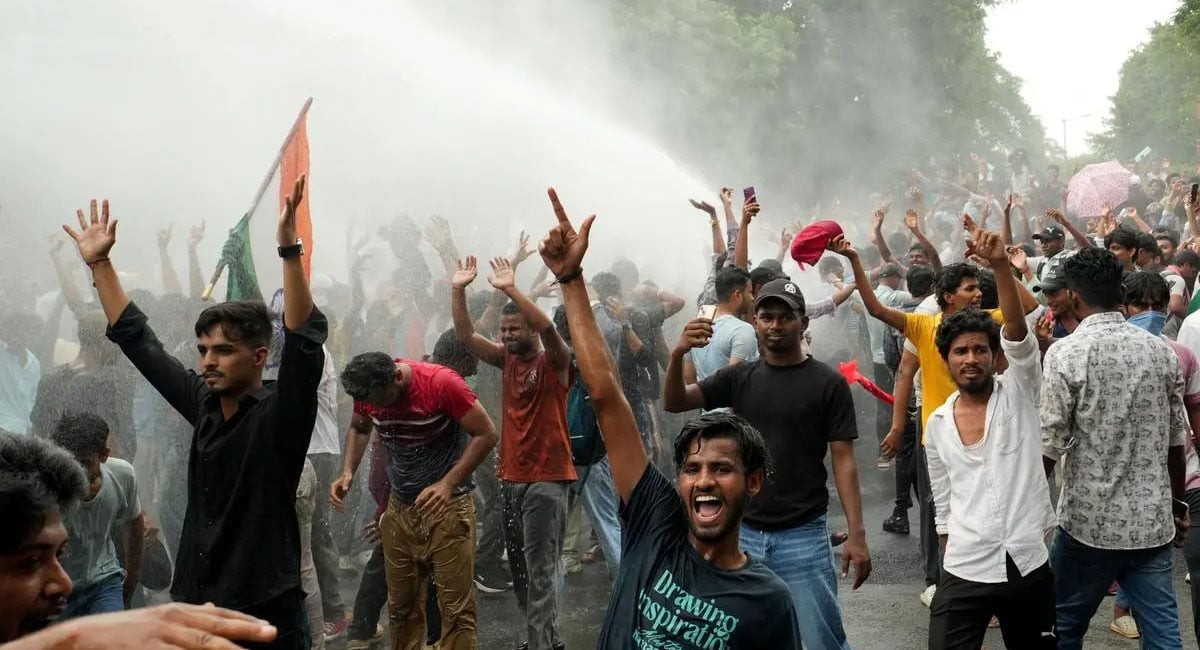
Students in India's Jharkhand state marched toward the state assembly in Ranchi, escalating protests over alleged irregularities in government recruitment exams while at least six hunger strikers continued fasting.
Intelligence analysis by Llama
Echoing New Delhi's 'cockroach' movement that toppled the national education minister, Jharkhand students demand cancellation of exams run by a private firm and a federal probe, putting Chief Minister Hemant Soren under pressure.
Imagine a big test that decides who gets a government job, but the company running the test keeps messing up. Students in India are so angry about this that some stopped eating until leaders fix it — and in one city, the protests got so big that the country's education minister had to quit. Now students in another state are copying that playbook to get their own problems fixed.
Analysis
Devendra Nath Mahto
At 33, student leader Devendra Nath Mahto has fasted for more than a week and joined at least five others on hunger strike outside the Jharkhand assembly. According to Indian media, Mahto framed the dispute in unusually sweeping terms: "We want the whole system to change," rejecting piecemeal concessions and demanding the state drop a private company that conducts tests for civil-service recruitment. His willingness to risk his health turns a procedural grievance into a moral test for the Soren government, especially because hunger strikes in Indian politics have a long history of forcing concessions only when they draw sustained media attention.
The 36-day Delhi precedent
The Jharkhand protests began on July 29, days after the youth-led "cockroach" movement in New Delhi, organized under the banner of the online Cockroach Janta Party, rallied for 36 days over alleged failures in India's examination system. That campaign forced the then education minister Dharmendra Pradhan to step down, an unusual victory that elevated examination integrity into a national political issue. Jharkhand's demonstrators are copying the playbook: large crowds chanting slogans, marches toward a legislature guarded by police behind barbed-wire barricades, and a parallel demand for a federal investigation. The Delhi precedent gives Jharkhand's students a template and a confidence that sustained pressure can extract results.
Hemant Soren's balancing act
Jharkhand Chief Minister Hemant Soren, whose state stands in opposition to Prime Minister Narendra Modi's Bharatiya Janata Party, has tried to defuse the crisis by accepting some demands. Several members of the civil service body overseeing the examinations have already resigned, and Soren publicly appealed for dialogue on Sunday, insisting "every problem can be resolved through dialogue." Yet repeated talks with the protesters failed to produce an agreement, leaving Soren caught between ceding ground on a politically sensitive privatized testing arrangement and risking the kind of prolonged street campaign that has toppled ministers elsewhere. The 33-million-strong state's leadership is now being measured against a movement that has already reshaped national politics.
Key points
- Hundreds of Jharkhand students marched toward the state assembly in Ranchi behind police barricades on Monday, with at least six on hunger strike.
- The movement echoes New Delhi's 36-day 'cockroach' campaign that forced national education minister Dharmendra Pradhan to resign over exam-system failures.
- Protesters demand cancellation of exams run by a private company on the state government's behalf and a federal police investigation.
- Chief Minister Hemant Soren has accepted some demands and seen several civil-service body members resign, but talks have stalled.
- Jharkhand, home to more than 33 million people, is governed by an opposition party to Prime Minister Modi's BJP.
If the Jharkhand government concedes to the core demands, cancels the implicated exams, and opens a federal probe, it could restore public trust in the state's recruitment system and defuse a movement that has already toppled one national-level official. The resignation of civil-service body members and Soren's public call for dialogue suggest a negotiated exit remains possible.
Prolonged hunger strikes risk serious health consequences for fasters like Mahto, and a failed negotiation could harden the movement and spill into other opposition-led states, mirroring the Delhi pattern that toppled a federal minister. Continued reliance on private exam contractors without structural reform also leaves the door open for fresh allegations of irregularities.