PRA bans handwritten receipts across Punjab
The Punjab Revenue Authority (PRA) has banned handwritten receipts at restaurants, hotels, coffee shops, and marriage halls across the province, making electronic invoicing mandatory to curb tax evasion and improve sales monitoring.
Intelligence analysis by Llama
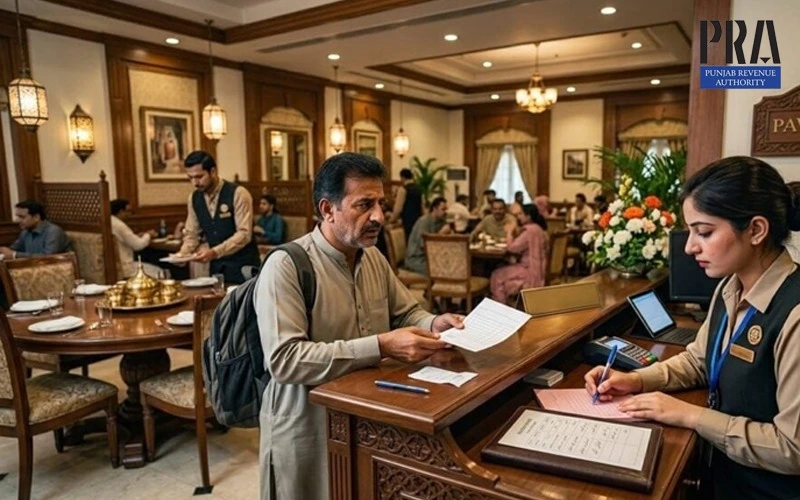
The PRA has prohibited businesses from issuing kitchen order slips, unpaid bills, or similar documents as official receipts. Establishments must now provide customers with receipts carrying essential details, including the business name, address, receipt number, and the PRA's QR code.
The Punjab Revenue Authority is making restaurants and other businesses use computers to give customers receipts instead of writing them by hand. This is to help stop people from cheating on their taxes and to make it easier to track sales.
Analysis
PRA's Digital Invoicing Mandate
The Punjab Revenue Authority (PRA) has taken a significant step towards a more transparent and digital tax system by banning handwritten receipts across the province. This move is aimed at curbing tax evasion and improving sales monitoring. The decision was taken on the directives of PRA Chairman Muazzam Iqbal Sapra, following which commissioners in all districts issued notifications regarding the new requirements.
Under the new regulations, all restaurants, hotels, coffee shops, and marriage halls are required to issue customer receipts through the Electronic Invoice Monitoring System (EIMS) instead of handwritten bills or manual documents. The PRA has prohibited businesses from issuing kitchen order slips, unpaid bills, or similar documents as official receipts. Establishments must now provide customers with receipts carrying essential details, including the business name, address, receipt number, and the PRA's QR code.
Businesses failing to issue receipts through the EIMS may face fines ranging from Rs400,000 to Rs1 million, while repeated violations could lead to the sealing of establishments for up to one month. The authority has also warned of strict legal action against businesses involved in interfering with official duties, tampering with sales records, or failing to provide required documentation.
According to PRA officials, the measure aims to digitize sales records, strengthen transparency in the tax collection system, and prevent tax evasion across Punjab. The ban is expected to bring about a significant change in the way businesses operate in the province, making it easier for the PRA to monitor and track sales.
Impact on Businesses
The ban on handwritten receipts is expected to have a significant impact on businesses in the province. While some may see it as an opportunity to digitize their operations and improve transparency, others may view it as an added expense. The PRA has warned businesses that failing to comply with the new regulations may result in severe penalties, including fines and the sealing of establishments.
Benefits for Taxpayers
The ban on handwritten receipts is expected to bring about several benefits for taxpayers in the province. By making it easier for the PRA to monitor and track sales, the ban is expected to reduce tax evasion and improve transparency in the tax collection system. This, in turn, is expected to benefit taxpayers by ensuring that they are not overcharged for goods and services.
Conclusion
The ban on handwritten receipts is a significant step towards a more transparent and digital tax system in Punjab. While it may present challenges for some businesses, it is expected to bring about several benefits for taxpayers in the province. By making it easier for the PRA to monitor and track sales, the ban is expected to reduce tax evasion and improve transparency in the tax collection system.
Key points
- The Punjab Revenue Authority has banned handwritten receipts across the province.
- Electronic invoicing is now mandatory for all restaurants, hotels, coffee shops, and marriage halls.
- Businesses failing to issue receipts through the Electronic Invoice Monitoring System may face fines and penalties.
- The ban aims to digitize sales records, strengthen transparency in the tax collection system, and prevent tax evasion.
If the ban on handwritten receipts is successful, it could lead to a more transparent and efficient tax collection system in Punjab. This could result in reduced tax evasion and improved revenue for the government.
If businesses are unable to adapt to the new regulations, they may face significant fines and penalties. This could lead to financial difficulties for some businesses and potentially even job losses.