The Story of Shakhboot bin Sultan Al Nahyan: A Ruler Afraid of the Banking System in Abu Dhabi Whose Brother's Help Led to His Ouster by Britain
The story of Shakhboot bin Sultan Al Nahyan, a ruler who was afraid of the banking system in Abu Dhabi, whose brother's help led to his ouster by Britain. The article explores the history of Abu Dhabi's relationship with Britain and the impact of the discovery of oil on t…
Intelligence analysis by Llama
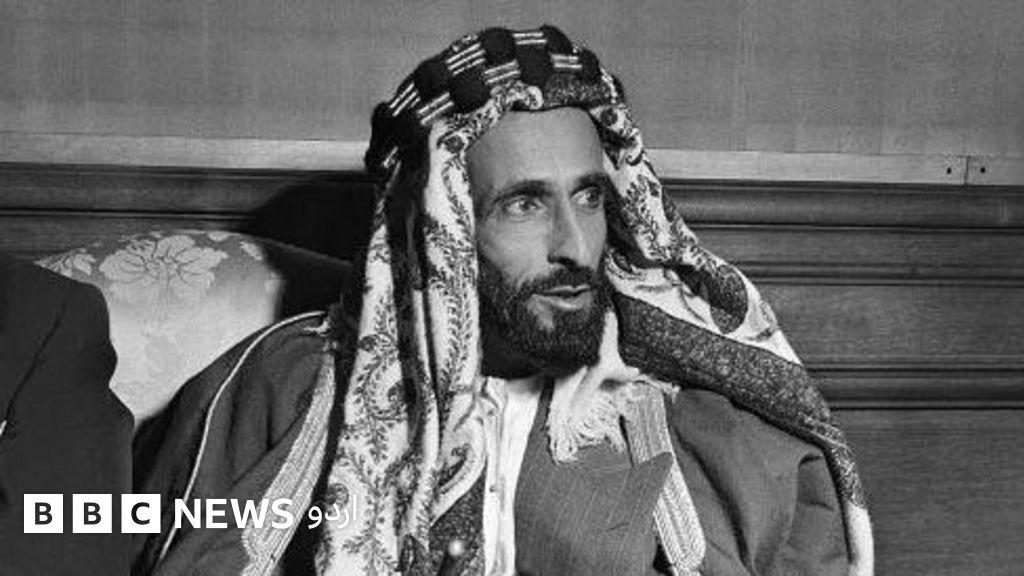
Shakhboot bin Sultan Al Nahyan, the ruler of Abu Dhabi, was afraid of the banking system and his brother's help led to his ouster by Britain. The article explores the history of Abu Dhabi's relationship with Britain and the impact of the discovery of oil on the region.
Shakhboot bin Sultan Al Nahyan was a ruler who was afraid of the banking system and preferred to live a simple life. He was forced to adapt to the changing circumstances of his country due to the discovery of oil, but his refusal to accept the oil wealth ultimately led to his ouster by Britain.
Analysis
A Ruler Afraid of the Banking System
Shakhboot bin Sultan Al Nahyan, the ruler of Abu Dhabi, was a man who was afraid of the banking system. He was a traditional ruler who preferred to live a simple life, and he was not comfortable with the idea of dealing with money and finances. Despite the fact that his country was rich in oil, he was hesitant to invest in the banking system and instead preferred to keep his wealth in cash.
The Discovery of Oil and Its Impact
The discovery of oil in Abu Dhabi in 1959 marked a significant turning point in the region's history. The oil wealth brought a lot of changes to the country, and Shakhboot bin Sultan Al Nahyan was not immune to these changes. He was initially hesitant to accept the oil wealth and instead preferred to stick to his traditional ways of living. However, as the oil wealth continued to grow, he was forced to adapt to the new reality.
The Ouster of Shakhboot bin Sultan Al Nahyan
Shakhboot bin Sultan Al Nahyan's fear of the banking system and his reluctance to accept the oil wealth ultimately led to his ouster by Britain. The British government, which had been instrumental in the discovery of oil in Abu Dhabi, was not happy with Shakhboot's refusal to accept the oil wealth and his preference for traditional ways of living. They saw him as a threat to their interests and decided to remove him from power.
The Legacy of Shakhboot bin Sultan Al Nahyan
Shakhboot bin Sultan Al Nahyan's legacy is complex and multifaceted. On the one hand, he was a traditional ruler who preferred to live a simple life and was afraid of the banking system. On the other hand, he was a ruler who was forced to adapt to the changing circumstances of his country and ultimately lost power due to his refusal to accept the oil wealth.
Key points
- Shakhboot bin Sultan Al Nahyan was a ruler who was afraid of the banking system and preferred to live a simple life.
- The discovery of oil in Abu Dhabi marked a significant turning point in the region's history and brought a lot of changes to the country.
- Shakhboot bin Sultan Al Nahyan's refusal to accept the oil wealth ultimately led to his ouster by Britain.
- The ouster of Shakhboot bin Sultan Al Nahyan marked a significant event in the region's history and highlighted the complex and often fraught relationship between Abu Dhabi and Britain.
- The oil wealth brought a lot of opportunities for the people of Abu Dhabi and helped to modernize the country.
The discovery of oil in Abu Dhabi marked a significant turning point in the region's history, and it brought a lot of changes to the country. The oil wealth brought a lot of opportunities for the people of Abu Dhabi, and it helped to modernize the country. If the oil wealth continues to flow, it could bring even more opportunities for the people of Abu Dhabi and help to further modernize the country.
The ouster of Shakhboot bin Sultan Al Nahyan by Britain was a significant event in the region's history, and it marked a turning point in the relationship between Abu Dhabi and Britain. The event highlighted the complex and often fraught relationship between the two countries, and it showed that even the most powerful rulers can be removed from power if they refuse to accept the changing circumstances of their country.