Indonesia’s nickel rule changes are spooking Chinese investors
Chinese nickel investors in Indonesia say new policy moves are raising costs and weakening certainty. Their protest letter shows how sensitive Jakarta’s downstreaming model is to Chinese capital.
Intelligence analysis by GPT-5.4 Mini
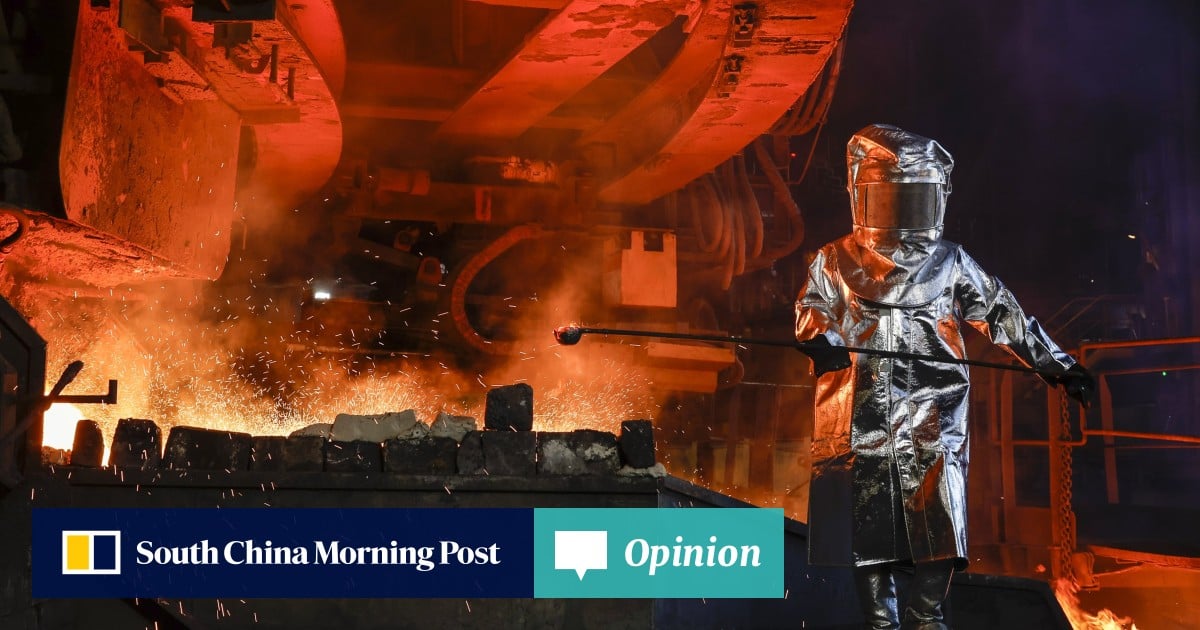
A leaked protest letter from Chinese nickel investors says Indonesia’s policy changes are making the business harder to run. The piece argues that Jakarta’s industrial strategy still depends heavily on Chinese money, technology and willingness to take risk.
Chinese companies helped build Indonesia’s nickel factories, like helping set up a big machine. Now new rules may make that machine more expensive and harder to trust, so those companies are worried they may stop helping as much.
Analysis
What happened
Chinese investors in Indonesia’s nickel industry sent a formal protest letter to President Prabowo Subianto through the China Chamber of Commerce in Indonesia. The letter objects to several policy changes, including higher royalties, tighter foreign-exchange retention rules, lower nickel mining quotas and what the investors see as uneven law enforcement.
Why the investors are uneasy
According to the article, the companies say these moves have pushed up operating costs and made investment conditions less predictable in downstream nickel projects. That is a serious concern because the sector has become central to the China-Indonesia economic relationship.
The article says Chinese firms have put more than US$65 billion into smelters, industrial estates and EV battery-material processing facilities over the past decade, especially in Sulawesi and North Maluku. That scale of investment helped Indonesia’s downstreaming strategy work in the first place.
The bigger picture
The authors argue that Indonesia’s ban on raw ore exports and its domestic-processing rules succeeded largely because Chinese capital and technology were willing to absorb the risks. In their view, that expansion happened in an environment shaped by export bans, cheap coal-based power and weak environmental enforcement.
The piece’s core warning is that if Jakarta leans harder into resource nationalism without restoring certainty, it could erode the very foreign investment that helped build the industry. For China, the issue is not just one sector’s profits; it is whether Chinese capital still feels safe backing Indonesia’s industrial climb.
Key points
- Chinese nickel investors sent a protest letter to President Prabowo Subianto through the China Chamber of Commerce in Indonesia.
- Their complaints include higher royalties, stricter foreign-exchange rules, lower mining quotas and tougher enforcement.
- The article says Chinese firms have invested more than US$65 billion in Indonesia’s nickel-related industrial buildout over the past decade.
- Indonesia’s downstream strategy depended heavily on Chinese willingness to take risks in a regulated, policy-heavy market.
If Jakarta adjusts the rules in a way investors can accept, Chinese capital may keep flowing into smelters and battery-material plants. That would support Indonesia’s downstream industry and preserve a major China-linked industrial partnership.
If the new policies keep raising costs and uncertainty, Chinese firms may slow or rethink further investment. That could weaken Indonesia’s nickel downstreaming push and strain a relationship built on large-scale Chinese capital and technology.