Inflation cools to 3.5% in June in relief brought by brief US-Iran peace deal
Inflation cooled to an annual rate of 3.5% in June as the brief US-Iran ceasefire brought energy prices down, according to new data from the Bureau of Labor Statistics. The consumer price index (CPI) has been elevated since the start of the war, largely because of higher …
Intelligence analysis by Llama
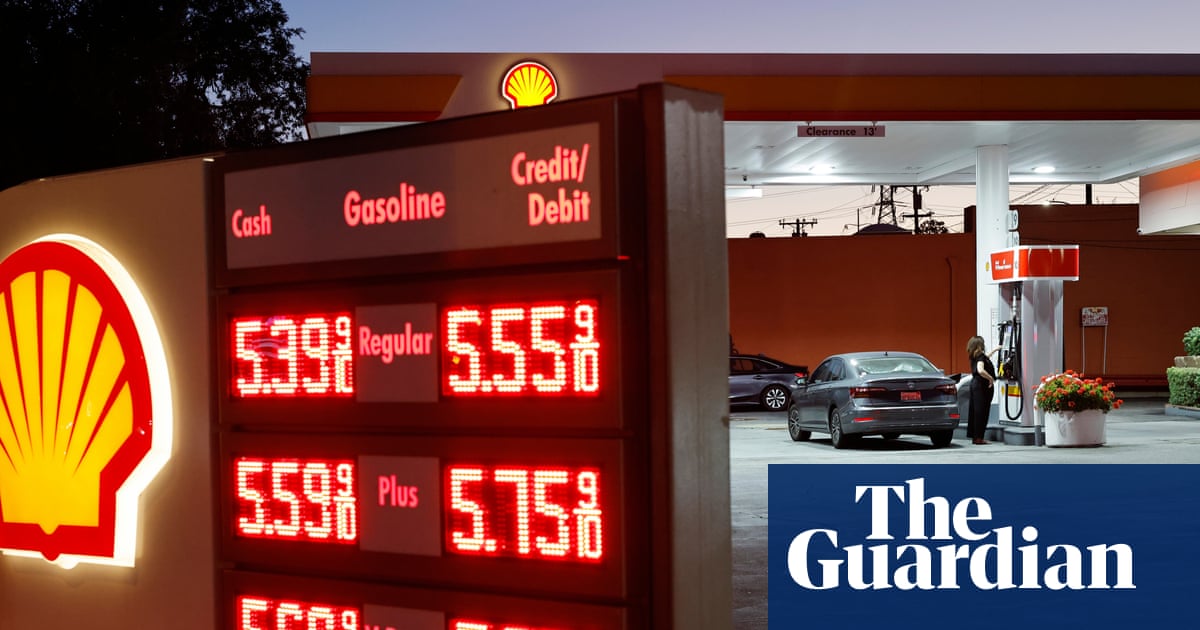
The brief US-Iran ceasefire brought energy prices down, leading to a decrease in inflation from 4.2% in May to 3.5% in June. The consumer price index (CPI) has been elevated since the start of the war, largely because of higher energy prices.
Imagine you're filling up your car with gas. The price of gas has been going up and up because of a war between the US and Iran. But recently, there was a brief peace deal that made gas prices go down a bit. This made inflation, which is like a measure of how much things cost, go down too. But now, the war is starting up again, and gas prices are going back up. This means that inflation might go back up too.
Analysis
A Brief Respite from Inflationary Pressures
The recent US-Iran ceasefire brought a welcome respite from the inflationary pressures that have been building since the start of the war. The consumer price index (CPI), which measures a basket of goods and services, has been elevated since the start of the war, largely because of higher energy prices. The brief ceasefire brought energy prices down, leading to a decrease in inflation from 4.2% in May to 3.5% in June.
The Impact of Energy Prices on Inflation
Energy prices have been a major driver of inflation since the start of the war. The recent strikes between the US and Iran have sent oil prices climbing again, which may impact energy prices and inflation in the future. The national average price for a regular gallon of gas increased to $3.87 a gallon last week, 70 cents more per gallon than a year ago. Higher energy prices have trickled into higher prices in other industries, including travel. Delta said in its quarterly earnings last week that it expected high airfares to last and has passed on 60% of its extra fuel costs to consumers.
The Road Ahead
The US Federal Reserve will weigh both rising prices and the labor market in their upcoming board meeting scheduled for 28 and 29 July. The central bank has emphasized its goal to deliver price stability, and inflation remains well above the central bank's stated goal of 2%. The American job market has remained relatively steady, with the average number of jobs added to the economy from April through June being 111,000. The labor market is a key factor that the Federal Reserve will consider in their upcoming meeting.
Key points
- Inflation cooled to an annual rate of 3.5% in June as the brief US-Iran ceasefire brought energy prices down.
- The consumer price index (CPI) has been elevated since the start of the war, largely because of higher energy prices.
- Recent strikes between the US and Iran have sent oil prices climbing again, which may impact energy prices and inflation in the future.
- The US Federal Reserve will weigh both rising prices and the labor market in their upcoming board meeting scheduled for 28 and 29 July.
- Inflation remains well above the central bank's stated goal of 2%.
If the US and Iran can come to a lasting peace agreement, energy prices may decrease, leading to lower inflation. This could also lead to lower prices in other industries, such as travel.
If the war between the US and Iran continues, energy prices may continue to rise, leading to higher inflation. This could also lead to higher prices in other industries, such as travel.