Infrared Tech Is Decades Old – Why Does Almost Every TV Remote Use It?
TV remotes still rely on infrared because it is cheap, compatible, and useful as a fallback even when Bluetooth is present.
Intelligence analysis by GPT-5.4 Mini
Engadget explains why infrared has survived in TV remotes for decades: it is inexpensive, works with huge amounts of existing hardware, and still helps with basic tasks like turning a TV on before Bluetooth pairing kicks in.
Infrared is like a tiny invisible flashlight that tells the TV what to do. It stays in remotes because it is cheap, works right away, and can still help when Bluetooth is not ready.
Analysis
Why Infrared Never Really Left
Infrared remotes are not just legacy hardware hanging around out of habit. The article argues that they became standard because they are extremely cheap to implement and because TV ecosystems already had years of equipment built around them. That makes IR less a relic and more a very low-friction default.
The history matters here too. The piece traces remotes from Zenith’s wired Lazy Bones to the light-based Flash-Matic, then to the infrared systems that took over by the 1980s. In other words, infrared won not because it was flashy, but because it fit the job and scaled easily.
Bluetooth Solves Some Problems, Not All
Bluetooth remotes add useful features like voice control and air gestures, but the article makes clear that they do not replace infrared cleanly. A Bluetooth remote has to be paired before it can fully communicate with the TV, while IR can work immediately. That makes infrared the simpler path for first setup and basic fallback control.
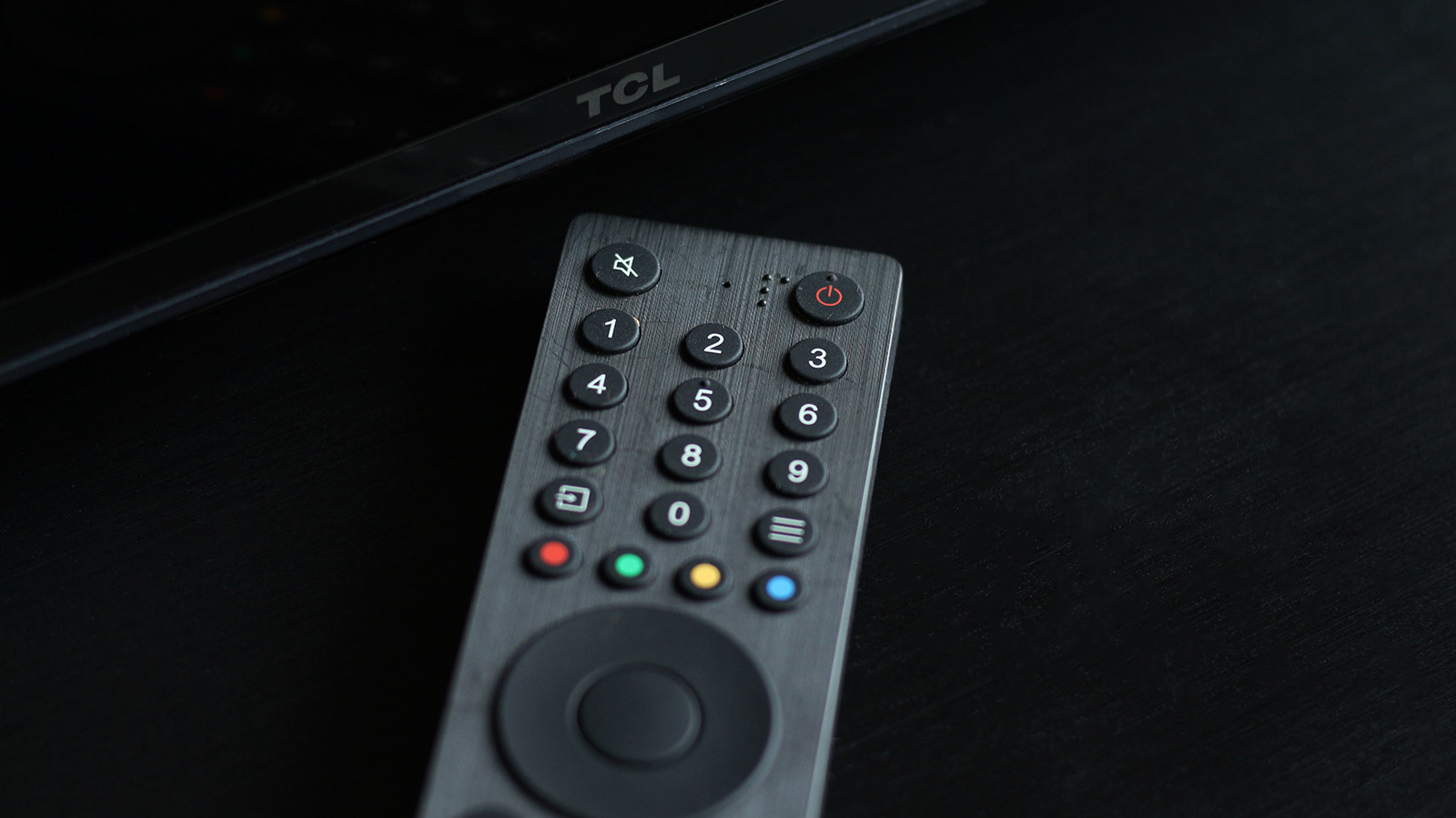
The article’s example from a TCL smart TV captures the hybrid reality well. The remote used infrared for power on and power off, while navigation and volume went over Bluetooth. When the remote was unpaired, it switched back to infrared, showing that the old system still serves as a safety net when the newer one is not available.
Compatibility Is the Real Product Feature
The strongest argument for infrared is not nostalgia, but compatibility. Televisions, soundbars, and other entertainment gear already understand IR, so replacing it everywhere would create more complexity than benefit. The article suggests that keeping both technologies in the same remote is the practical compromise.
That compromise also explains why the user experience has not become fully wireless in the Bluetooth sense. IR still helps before pairing and when a TV is asleep, while Bluetooth handles richer interactions once everything is connected. The result is a remote that quietly mixes two eras of consumer hardware instead of forcing one to disappear.
Key points
- Infrared became the TV remote standard because it was cheap and broadly compatible.
- Bluetooth remotes add features, but they still often depend on infrared for setup or power control.
- A TV remote can use both systems at once, with IR acting as a fallback.
- The article argues that compatibility is the main reason infrared has survived for decades.
Keeping infrared around means remotes can stay simple, cheap, and reliable while newer features live on top of Bluetooth. That hybrid approach lets TVs support both instant control and richer smart features without forcing users into a harder setup.
If manufacturers ever dropped infrared too early, some basic tasks like turning the TV on could become less convenient when Bluetooth is not paired or active. The article also suggests that replacing a widely adopted standard would add complexity without much obvious payoff.