International Monetary Fund: World economy withstands energy shock better than expected, according to IMF
The International Monetary Fund (IMF) says the world economy has better weathered the energy shock caused by the Iran war than expected. IMF Chief Kristalina Georgiewa stated that the global growth has resisted the 'strong headwind' from high government debt, persistent i…
Intelligence analysis by Llama
The IMF has revised its assessment of the world economy's resilience to the energy shock caused by the Iran war, stating that it has better weathered the crisis than expected. The global growth has resisted the 'strong headwind' from high government debt, persistent inflation, and trade tensions.
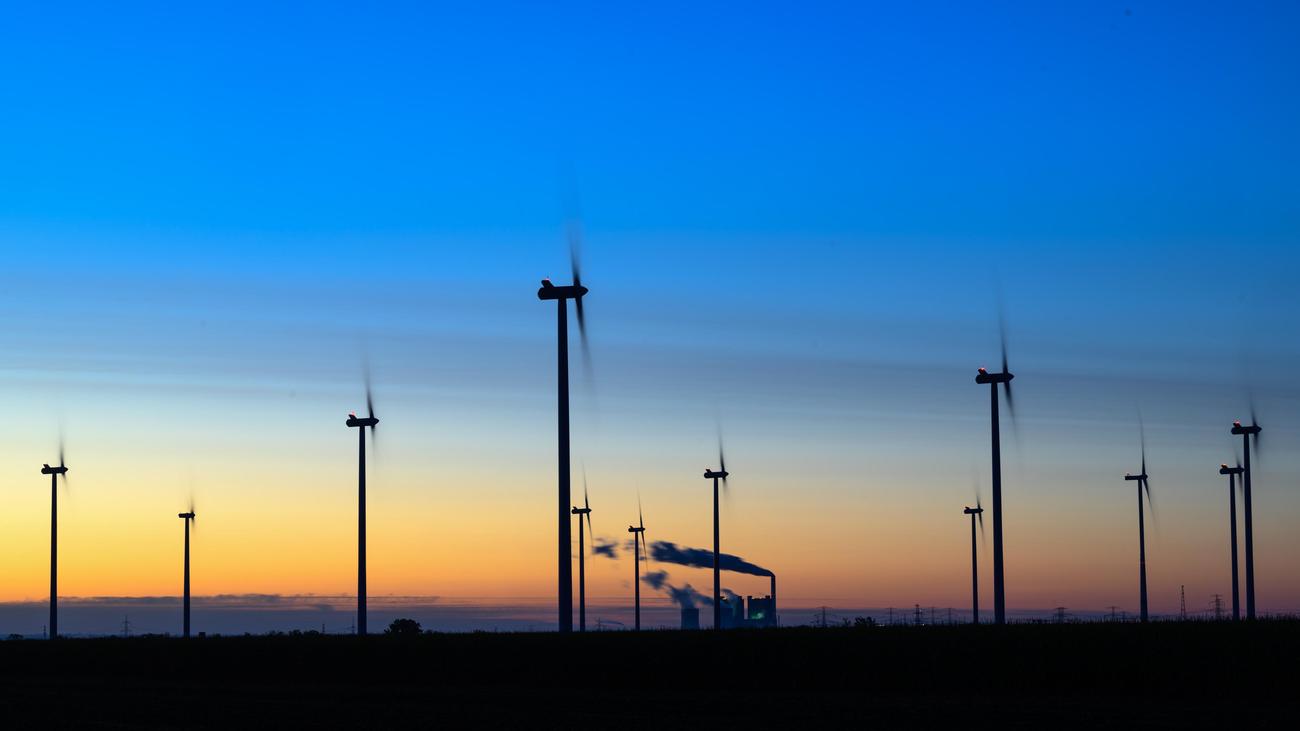
Imagine the world economy is a big ship sailing through rough waters. The energy shock caused by the Iran war was like a big wave that threatened to capsize the ship. But the ship has been able to resist the wave and keep sailing. This is because many countries have been able to tap into their oil and gas reserves, and some countries have even increased their energy production. Additionally, the expansion of renewable energy sources and the partial return to coal-fired power in some countries have also helped to reduce the impact of the energy shock.
Analysis
Global Economic Resilience Amidst Energy Shock
The International Monetary Fund (IMF) has recently revised its assessment of the world economy's resilience to the energy shock caused by the Iran war. According to IMF Chief Kristalina Georgiewa, the global growth has better weathered the crisis than expected. This is a significant development, as it suggests that the world economy has been more resilient than anticipated.
The IMF's revised assessment is based on several factors, including the ability of many countries to tap into their oil and gas reserves, the increase in energy production in non-Gulf regions, and the decline in global energy demand. Additionally, the expansion of renewable energy sources and the partial return to coal-fired power in some countries have also contributed to the reduced impact of the energy shock.
However, Georgiewa warned that the outlook remains uncertain, with the potential for further economic strain due to increasing financial constraints in some countries. Central banks may need to maintain their tight monetary policies to combat inflation, which could have a negative impact on economic growth.
The Role of Artificial Intelligence in Mitigating the Energy Shock
Georgiewa also highlighted the role of artificial intelligence (AI) in mitigating the energy shock. The boom in AI investments in the US has supported corporate profits and consumer spending, while other countries have also increased their investments in AI hardware and retraining centers. This has helped to counterbalance the negative impact of the energy shock on the global economy.
Challenges Ahead
Despite the improved resilience of the world economy, Georgiewa expressed concerns about the deteriorating fiscal situation in some countries, which is reflected in rising bond yields and a slowdown in inflation. The IMF's revised assessment does not include an official growth forecast, but it does suggest that the global economy is facing significant challenges in the coming months.
Key points
- The IMF has revised its assessment of the world economy's resilience to the energy shock caused by the Iran war.
- The global growth has resisted the 'strong headwind' from high government debt, persistent inflation, and trade tensions.
- The IMF's revised assessment is based on several factors, including the ability of many countries to tap into their oil and gas reserves.
- The expansion of renewable energy sources and the partial return to coal-fired power in some countries have also contributed to the reduced impact of the energy shock.
- Georgiewa warned that the outlook remains uncertain, with the potential for further economic strain due to increasing financial constraints in some countries.
The IMF's revised assessment suggests that the world economy has been more resilient than expected. This could lead to a more optimistic outlook for economic growth in the coming months. Additionally, the boom in AI investments in the US has supported corporate profits and consumer spending, which could continue to drive economic growth.
Despite the improved resilience of the world economy, there are still significant challenges ahead. The deteriorating fiscal situation in some countries, reflected in rising bond yields and a slowdown in inflation, could have a negative impact on economic growth. Additionally, the potential for further economic strain due to increasing financial constraints in some countries could also lead to a pessimistic outlook.