Investors Demand Dollar Payments in Pakistan DISCO Privatization
Investors eyeing Pakistan's DISCO privatization have demanded dollar payments, stronger contractual protections, and greater flexibility in purchasing electricity. They want guarantees that their agreements will not be reopened or renegotiated after privatization and are …
Intelligence analysis by Llama
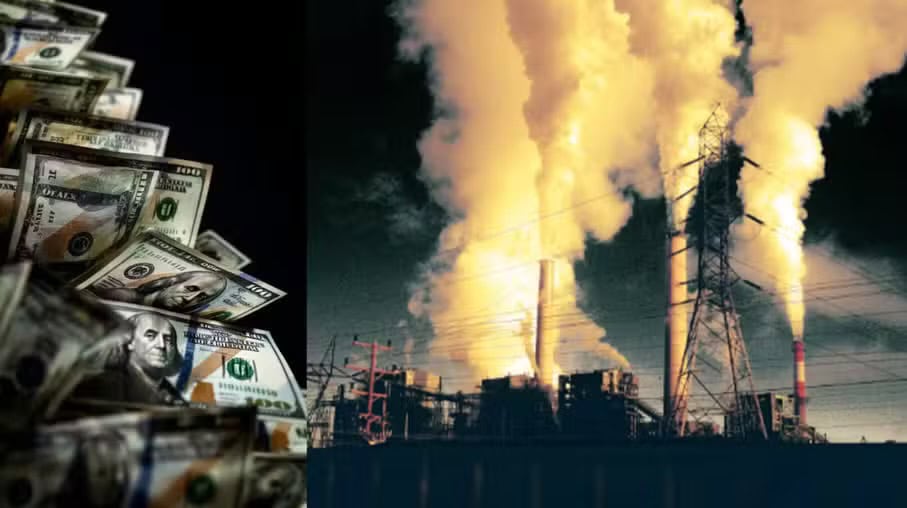
Investors in Pakistan's DISCO privatization have raised concerns over regulatory decisions, tariff adjustments, and the ability of the power regulator to maintain agreed terms. They are seeking stronger protections and greater flexibility in purchasing electricity.
Imagine you're buying a house, but the rules keep changing. That's what's happening with Pakistan's power distribution companies. Investors want to know what the rules will be before they buy, and they want to be able to buy electricity from different places, not just from specific power plants.
Analysis
Investors Raise Contract and Regulatory Concerns
Potential buyers want guarantees that their agreements will not be reopened or renegotiated after privatization. They have also raised concerns over regulatory decisions, tariff adjustments, and the ability of the power regulator to maintain agreed terms. Investors are seeking stronger regulatory enforcement, effective implementation of service-level agreements, and timely tariff decisions by the National Electric Power Regulatory Authority (NEPRA).
They are also concerned that future governments or court decisions could change agreed tariffs and other contractual terms. To reduce these risks, the government's financial adviser has proposed seeking political-risk guarantees from multilateral institutions and including protections against contract reopening in transaction documents.
Buyers Seek Greater Power Procurement Flexibility
Another major demand relates to electricity procurement. Prospective buyers want the freedom to purchase electricity competitively instead of being required to buy costly power from specific independent power producers (IPPs). However, the government is unlikely to fully accept this demand because it remains contractually committed to purchasing electricity from generation companies.
Cutting those purchases could leave the government liable for capacity payments to power plants even when they are not operating. Some bidders already own generation assets and have therefore sought licenses that would allow them to both buy and sell electricity.
Longer Tariff Control Period Demanded
Investors have also argued that the existing five-year tariff control period is insufficient to justify major long-term investments. They are seeking a longer period of seven to 10 years. Potential buyers also want greater clarity regarding investment returns, approval of investment plans, and tariff determinations before submitting their bids.
They have further called for timely payment of subsidies intended for protected consumer categories. The demands highlight the challenges Pakistan faces in attracting private and foreign investment into the power distribution sector while balancing investor protections with existing government obligations and consumer interests.
Key points
- Investors demand dollar payments, stronger contractual protections, and greater flexibility in purchasing electricity.
- They want guarantees that their agreements will not be reopened or renegotiated after privatization.
- Investors are seeking stronger regulatory enforcement, effective implementation of service-level agreements, and timely tariff decisions by NEPRA.
- They are concerned that future governments or court decisions could change agreed tariffs and other contractual terms.
- Investors are seeking a longer tariff control period of seven to 10 years.
If the government accepts the investors' demands, it could attract more private investment into the power distribution sector, leading to improved services and lower prices for consumers.
If the government fails to address the investors' concerns, it could lead to a delay in the privatization process, which could result in a loss of investment opportunities and a negative impact on the economy.