Iran after war: A power that was not contained
Mehran Mearsheimer on Iran's growing strength despite US-Israel pressure and sanctions.
Intelligence analysis by Qwen 2.5 (3B)

Prominent theorist John Mearsheimer discusses how increased US-Israel pressure on Iran has inadvertently strengthened the country's economic and geopolitical position.
Imagine you're playing a game where one team is trying really hard to make another team lose. But instead of losing, the other team gets stronger and more friends join them! That's kind of what happened with Iran - they got better at their games and made new allies.
Analysis
The Assassination of Soleimani
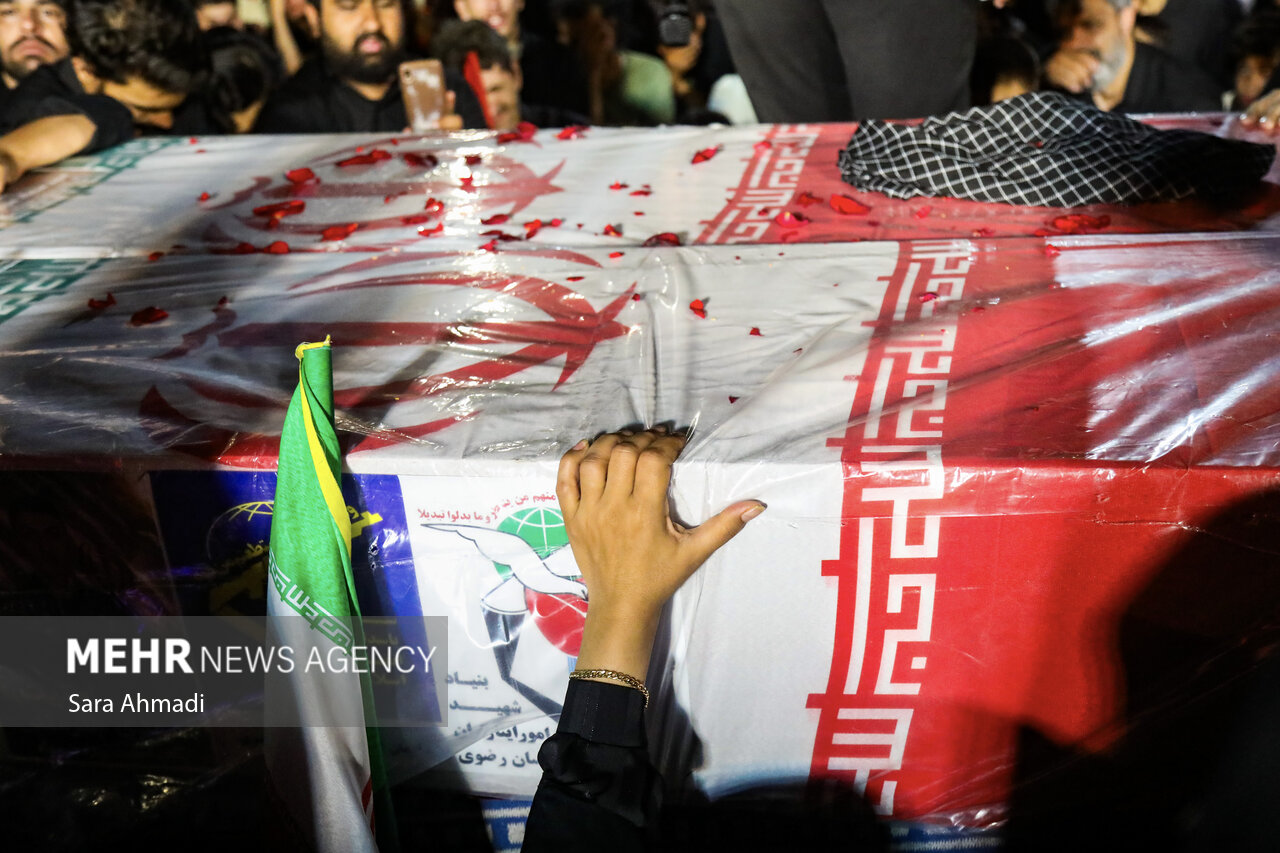
The assassination of Major General Qasem Soleimani was initially seen as a decisive blow against the Axis of Resistance. However, it led to increased cooperation among its various actors rather than weakening their position.
Iran's Growing Economic and Geopolitical Strength
Despite sanctions, Iran has developed new tools of power in defense, missile, and drone capabilities, making military action more costly and unpredictable.
The Strait of Hormuz
Iran's geographical location and economic developments have made it a significant player in global energy markets, even under sanctions.
Power Dynamics in the Region
Mearsheimer highlights Iran's adaptability to new conditions and its ability to create regional coalitions, challenging traditional power dynamics.
Key points
- Maj. Gen. Soleimani's assassination led to increased cooperation among Axis of Resistance actors
- Iran has developed new tools of power despite sanctions, making military action more costly
- Geographical location and economic developments have made Iran a significant player in global energy markets
Iran may continue to develop its defense capabilities, making any future conflicts more costly for potential adversaries.
The US and Israel might face growing challenges as they struggle to maintain deterrence power in the region.