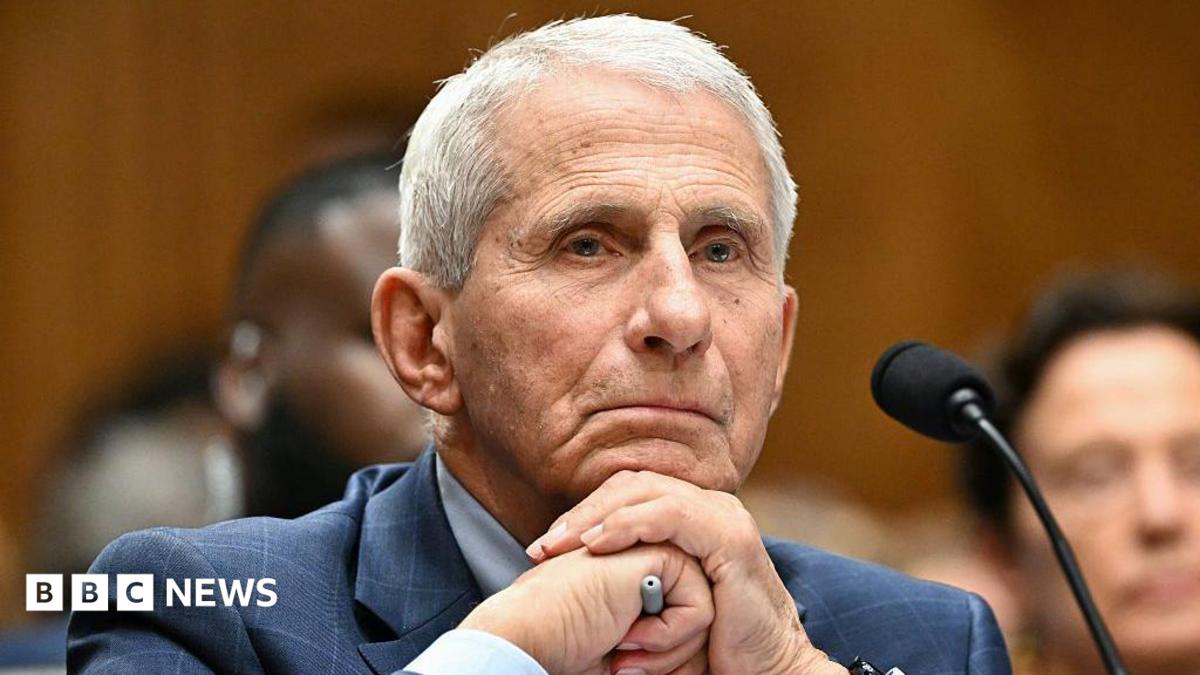
Iran and Israel say they will pause strikes but warn of retaliation if ceasefire breached again
Iran and Israel say they are pausing strikes after their first exchange of fire since the truce, but both warn they will respond if attacked again.
Intelligence analysis by GPT-5.4 Mini
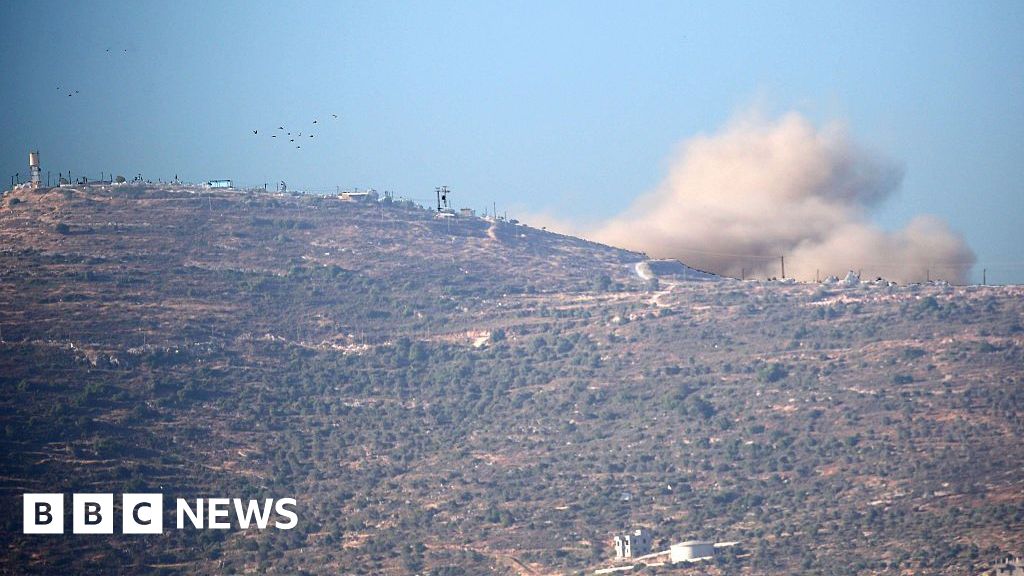
The article describes a fragile halt in direct attacks between Iran and Israel after a renewed exchange of fire, with both sides signaling restraint for now but not trust. Trump says he pushed Netanyahu to stop, even as fighting and casualties continued in Iran and Lebanon.
Two countries stopped throwing punches for the moment, but both said they would hit back if the other side started again. It is like two kids putting down their toys for a break while still keeping their hands on them.
Analysis
Pause, not peace
Iran and Israel both say they have stopped striking each other for now, after a new exchange of fire that broke the truce. The article frames the moment as a temporary halt rather than a settlement: Netanyahu said Israel was holding fire "at the moment," while stressing that the struggle against Iran and Hezbollah was not over. Iran's armed forces said they had stopped after delivering what they called a painful response, but warned of harsher action if Israel attacked again.
Pressure from Washington
The reporting says Donald Trump played an active role in pushing for a pause. In a call with the BBC, he denied that Netanyahu had ignored his wishes, and the White House said he spoke with the Israeli leader about the crisis. Trump also said he told Netanyahu Israel might be left fighting alone if the war resumed, while publicly urging both sides to stop shooting because the fighting was threatening negotiations between Washington and Tehran.
Wider regional fallout
Even with the pause, violence continued around the edges. The article says Israel and Iran traded missile fire, an Israeli strike hit a petrochemical complex in Mahshahr, and casualties were reported in Iran and in southern Lebanon. Lebanese health officials said five people were killed in Tyre, and Hezbollah said it fired on Israeli forces in southern Lebanon. The piece also says the conflict has already drawn in Lebanon and disrupted regional shipping and oil markets, showing how quickly the fighting can spread beyond the two main adversaries.
Overall, the story presents a tense, reversible ceasefire pause. The central question is whether diplomatic pressure can hold long enough to keep the confrontation from escalating again.
Key points
- Iran and Israel say they have paused strikes after exchanging fire again for the first time since the truce.
- Netanyahu said Israel was holding fire for the moment, but said the campaign against Iran and Hezbollah was not finished.
- Iran warned it would respond with more severe measures if Israel carried out more attacks.
- Trump said he urged both sides to stop and said he spoke with Netanyahu about the crisis.
- The fighting still caused casualties in Iran and Lebanon, showing how fragile the pause remains.
If the pause holds, it could create room for talks and reduce the chance of a wider regional war. The article also suggests Washington is trying to use the pause to keep negotiations alive.
If either side decides the ceasefire was broken, the strikes could restart quickly. The article shows that fighting is already spilling into Lebanon and could again disrupt broader regional stability.