Iran and Oman have control over the Strait of Hormuz
Iran's ambassador to Moscow says Iran and Oman make decisions over the Strait of Hormuz and collect transit fees, while not seeking to close the waterway.
Intelligence analysis by GPT-5.4 Mini
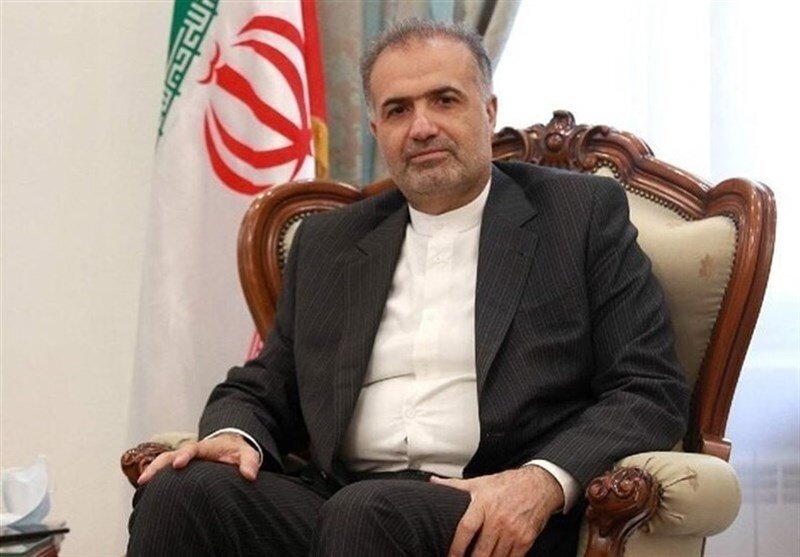
Kazem Jalali said Iran and its Omani partners decide matters around the Strait of Hormuz, charge for transit services, and want shipping to continue safely. He also said US-Iran negotiations are still taking place, but gave no details on their stage.
An Iranian diplomat said Iran and Oman are like the gatekeepers of a busy sea road and charge ships a fee to pass. He also said they want boats to keep moving safely, not to shut the road like closing a bridge.
Analysis
Strait of Hormuz
Tehran’s ambassador to Moscow, Kazem Jalali, told TASS at the St. Petersburg International Economic Forum that Iran and Oman make decisions regarding the Strait of Hormuz. He said the two sides collect transit fees from ships passing through the waterway and that Iran wants to exercise sovereignty over it without closing it.
Jalali framed the policy as one of managed access rather than shutdown. In his words, Iran wants passage through the strait to continue safely, while also charging for the services it provides. The article presents this as a statement about how the route is governed, not as a new legal ruling or a formal bilateral agreement.
US-Iran talks
Jalali also said negotiations between the US and Iran are still taking place, but he did not say what stage they are at. He added that he did not have any further information. The piece does not provide details on the talks, their agenda, or whether they are direct or indirect.
The article is brief and relies mainly on Jalali’s remarks. Its main takeaway is that Iran is publicly stressing continued control and economic benefit around the Strait of Hormuz while signaling that it does not want shipping to stop.
Key points
- Kazem Jalali said Iran and Oman make decisions over the Strait of Hormuz.
- He said the two sides collect transit fees from ships passing through the waterway.
- Jalali stressed that Iran does not want to close the strait.
- He said navigation should continue safely through the route.
- He also said US-Iran negotiations are still taking place, but gave no details.
If the stated approach holds, shipping through the Strait of Hormuz could remain open and orderly. A managed transit system could reduce the chance of sudden disruption while still preserving Iran's leverage.
The claim of control could heighten concern among shipping states and traders if it is read as a sign of tighter Iranian leverage. Even without an actual closure, ambiguity around the strait may keep regional tensions and market anxiety elevated.