Iran and US agreement paves way for access to Iranian nuclear facilities
The head of the International Atomic Energy Agency says a recent agreement between Iran and the US will allow inspectors to access Iranian nuclear facilities. Iran has not yet commented on the statement.
Intelligence analysis by Llama 3.3 70B
The agreement between Iran and the US has sparked debate over access to Iranian nuclear facilities, with the IAEA chief saying it will allow for inspections and Iran denying any such agreement.
Imagine you have a big box of toys, and you want to make sure that nobody is hiding any bad toys in the box. That's kind of like what the International Atomic Energy Agency is trying to do with Iran's nuclear program. They want to make sure that Iran is not hiding any nuclear weapons, so they need to be able to look inside the box and see what's really going on.
Analysis
Understanding the Agreement
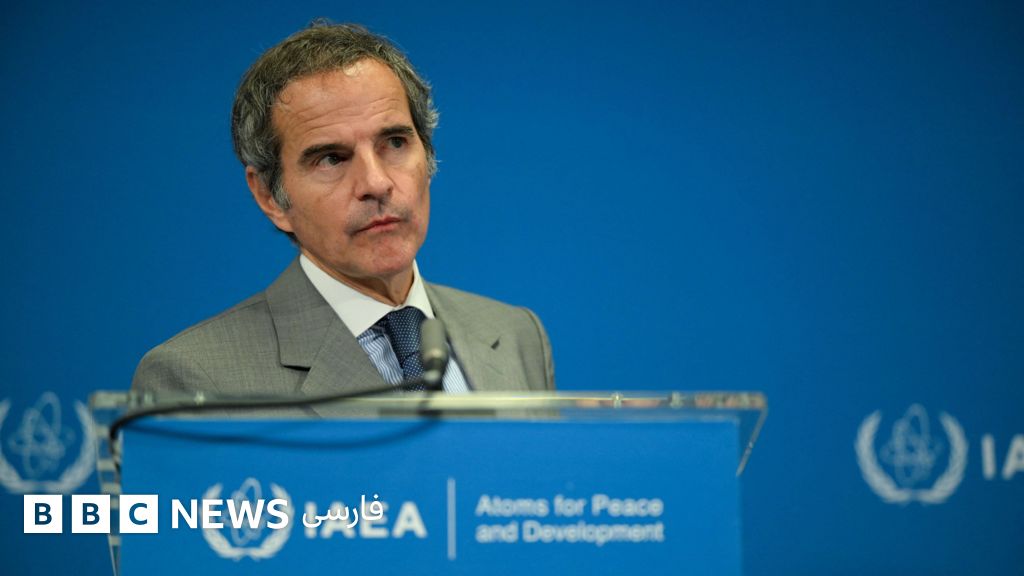
The recent agreement between Iran and the US has been hailed as a significant step forward in the ongoing negotiations over Iran's nuclear program. According to the head of the International Atomic Energy Agency, Rafael Grossi, the agreement will allow inspectors to access Iranian nuclear facilities, which has been a major point of contention in the past.
The IAEA has been pushing for greater access to Iranian nuclear facilities in order to verify that the country is not developing nuclear weapons. Iran has consistently denied any intention to develop nuclear weapons, but the international community has remained skeptical.
Implications for Iran's Nuclear Program
The agreement has significant implications for Iran's nuclear program. If inspectors are allowed to access Iranian nuclear facilities, it could provide greater transparency and assurance that the country is not developing nuclear weapons. However, it is unclear how much access the inspectors will have and what specific facilities they will be allowed to visit.
Iran has a long history of restricting access to its nuclear facilities, and it is unclear whether the country will fully comply with the agreement. The IAEA has expressed concerns about the lack of access to certain facilities, and the US has also expressed skepticism about Iran's intentions.
The Role of the IAEA
The IAEA plays a crucial role in monitoring Iran's nuclear program and verifying its compliance with international agreements. The agency has been working to increase its access to Iranian nuclear facilities, but it has faced significant challenges in the past.
The agreement between Iran and the US could provide a major boost to the IAEA's efforts to monitor Iran's nuclear program. However, it is unclear how the agreement will be implemented and what specific steps the IAEA will take to verify Iran's compliance.
The IAEA has expressed concerns about the lack of access to certain facilities, and the US has also expressed skepticism about Iran's intentions. The agency will need to work closely with Iran and the international community to ensure that the agreement is implemented effectively and that Iran's nuclear program is fully transparent.
Key points
- The agreement between Iran and the US will allow inspectors to access Iranian nuclear facilities
- The IAEA will play a crucial role in monitoring Iran's nuclear program and verifying its compliance with international agreements
- The agreement has significant implications for the nuclear program in Iran and the ability of international inspectors to monitor its activities
If the agreement between Iran and the US is implemented effectively, it could provide a major boost to international efforts to prevent the spread of nuclear weapons. It could also help to reduce tensions between Iran and the US, and provide a more stable and secure environment in the region.
However, there are also significant risks and challenges associated with the agreement. If Iran does not fully comply with the agreement, it could undermine the efforts of the IAEA and the international community to monitor its nuclear program. Additionally, the agreement could be seen as a concession to Iran, which could embolden the country to pursue its nuclear ambitions.