Iran blasts EU human rights rhetoric amid silence on US-Israeli war crimes
Iran's Foreign Ministry has vehemently criticized EU Foreign Policy Chief Kaja Kallas, accusing Brussels of hypocrisy and complicity in US-Israeli war crimes against the Iranian nation.
Intelligence analysis by Gemini 2.5 Flash
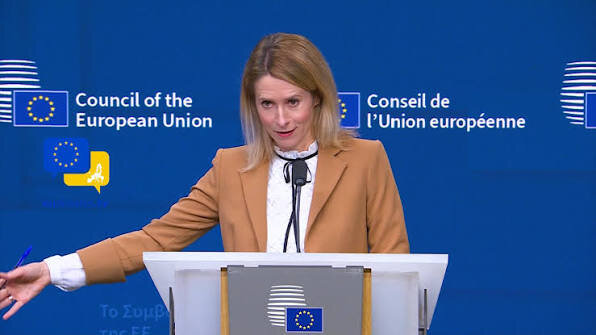
Iranian Foreign Ministry spokesman Esmaeil Baqaei denounced the EU's human rights rhetoric as 'political theater,' arguing it masks the bloc's logistical and technical support for US-Israeli aggressions targeting Iranian civilians and infrastructure, while simultaneously imposing new sanctions on Iranian officials.
Imagine two kids fighting, and one kid's friend helps them by giving them tools to keep fighting, even when the other kid gets hurt. Then, that friend tells the hurt kid off for something small they did. Iran is saying the European Union is like that friend, helping the US and Israel hurt Iran, but then scolding Iran for its own problems, which Iran thinks is unfair and hypocritical.
Analysis
Iran's Accusation of EU Hypocrisy
Iranian Foreign Ministry spokesman Esmaeil Baqaei launched a scathing attack on the European Union, specifically targeting EU Foreign Policy Chief Kaja Kallas's statements on human rights. Baqaei characterized the EU's professed humanitarian concerns as 'political theater,' designed to obscure its alleged support for foreign aggression against Iran. He directly challenged how European officials could advocate for human rights while simultaneously providing 'logistical and technical support' for what Iran claims are lethal aggressions targeting its civilians and critical national infrastructure.
Baqaei further emphasized the perceived double standard by highlighting the EU's complete silence and refusal to condemn the loss of innocent Iranian lives due to what Tehran describes as Western-backed bombardments. He pointed out the absence of sympathy for Iranian children killed by American-Israeli bombs and missiles, which Iran asserts are enabled by the EU's support. This conduct, according to Baqaei, transcends mere geopolitical double standards, reaching a level he termed 'the banality of evil — and the purest form of hypocrisy.'
Context of US-Israeli Strikes and EU Silence
Baqaei's strong remarks were made in the wake of Kallas's announcement of new EU sanctions against five Iranian judges and a cyber official, ostensibly due to human rights concerns. Kallas justified these sanctions by stating the EU would not 'lose sight of Iran's repression against its own people' amidst broader regional conflicts. However, Iran views these actions as deeply hypocritical given the ongoing US-Israeli military campaign, which commenced on February 28.
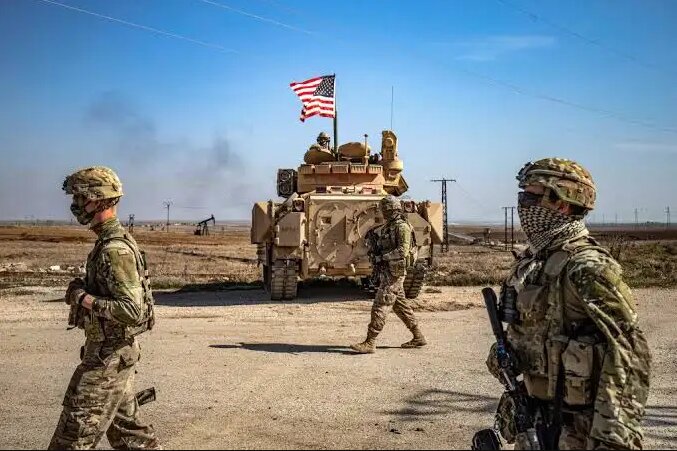
For 39 days, American and Israeli airstrikes have reportedly targeted Iranian civilian population centers, economic assets, and critical national infrastructure, leading to civilian casualties, including women and children. Despite what Iran describes as widespread documentation of civilian deaths and severe damage to non-military infrastructure, the European Union has consistently refrained from condemning these US-Israeli strikes or demanding a halt to attacks on Iranian territory. Instead, Brussels has maintained diplomatic alignment with Washington and Tel Aviv, continuing to provide logistical, technical, and intelligence support, a stance Tehran interprets as direct participation in war crimes against its populace.
Escalating Diplomatic Tensions
This latest exchange underscores a significant deterioration in relations between Iran and the European Union. Iran's direct accusation of EU complicity in war crimes, coupled with the EU's imposition of new sanctions, signals a deepening chasm in their diplomatic ties. The Iranian government perceives the EU's actions as a clear demonstration of a biased and hypocritical approach to human rights, selectively applying its principles based on geopolitical alliances rather than universal standards.
The ongoing silence from Brussels regarding the alleged US-Israeli attacks on Iranian civilians, contrasted with its swift action against Iranian officials, is likely to further entrench Iran's distrust of European intentions. This diplomatic standoff could have broader implications for regional stability and international efforts to address conflicts in the Middle East, as Iran becomes increasingly isolated from Western powers and more vocal in its condemnation of their policies.
Key points
- Iran's Foreign Ministry spokesman Esmaeil Baqaei denounced the EU's human rights rhetoric as 'political theater' and 'purest form of hypocrisy'.
- Baqaei accused the EU of providing logistical and technical support for US-Israeli aggressions targeting Iranian civilians and infrastructure.
- Iran highlighted the EU's silence and refusal to condemn US-Israeli airstrikes that have reportedly caused civilian casualties in Iran.
- The criticism followed new EU sanctions imposed on five Iranian judges and a cyber official over human rights concerns.
- Tehran views Brussels' diplomatic alignment with Washington and Tel Aviv, alongside its support, as direct participation in war crimes.
The current accusations of hypocrisy and complicity in war crimes could severely damage Iran-EU relations, leading to further diplomatic isolation for Iran and potentially escalating regional tensions. Continued EU sanctions and silence on US-Israeli actions may solidify Iran's perception of Western bias, hindering future diplomatic engagement or de-escalation efforts.