Iran claims attacks in strait of Hormuz; Houthis announce blockade of Red Sea shipping route – Middle East crisis live
Iran said it hit a tanker in the Strait of Hormuz as Houthi fighters announced a blockade of Saudi shipping in the Red Sea.
Intelligence analysis by GPT-5.4 Mini
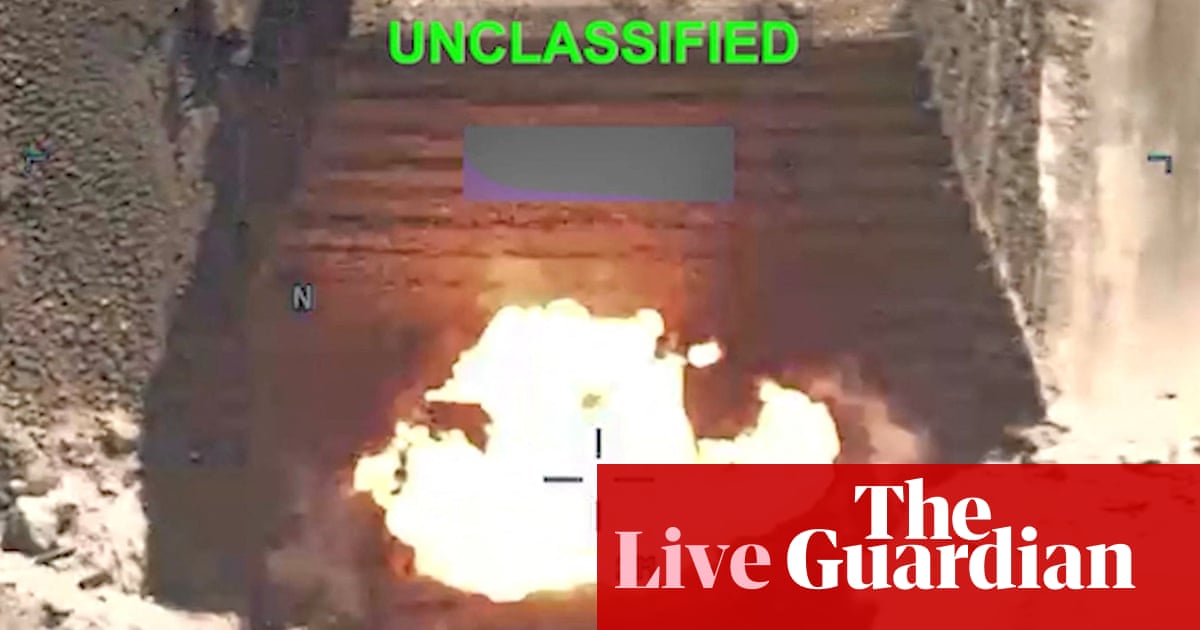
The live report shows the conflict widening from strikes on Iran into maritime disruption across two chokepoints that matter to global trade and energy. It also notes fresh US airstrikes, Iranian reprisals across the region, and early signs of strain on shipping and oil markets.
This is like a fight near two giant bridges that many ships must cross. If someone starts throwing rocks there, every truck, bus, and boat nearby gets delayed, even if they were not the target.
Analysis
Two chokepoints, one widening confrontation
This report is not just about missiles and airstrikes. It is about control over sea lanes that carry energy, goods, and political leverage, which is why the Strait of Hormuz and the Bab al-Mandeb matter so much in the first place.
Iran’s claim that it hit a tanker in Hormuz, combined with the Houthis’ announcement of a Red Sea blockade, suggests the conflict is moving from battlefield retaliation into pressure on maritime commerce. That is a classic escalation path in Middle East crises: when states and aligned groups cannot easily match conventional firepower, they reach for shipping routes and chokepoints instead.
What the shipping threat does to the region
The immediate effect is uncertainty. Even before a full closure or sustained campaign is possible, the mere threat forces vessels to reroute, insurers to raise premiums, and governments to issue emergency warnings.
The article shows that reaction already taking shape, with Saudi Arabia promising protective measures and UK maritime officials tracking an abandoned tanker. That matters because the Gulf and Red Sea are not abstract strategic spaces; they are the arteries through which the world’s energy system and a large share of global trade move every day.
Why the politics are getting harder
The live updates also show the political trap deepening. US strikes have not forced Tehran to step back, Iran is retaliating against multiple US-linked sites, and the Pentagon now admits to a larger number of injuries than initially emphasized.
That combination makes de-escalation more difficult because both sides face domestic and alliance pressures. Iran wants to show it can impose costs, while Washington and its partners must decide whether protecting shipping and personnel means more strikes, tighter defenses, or a diplomatic off-ramp through intermediaries such as Pakistan.
Key points
- Iran claimed it attacked a tanker in the Strait of Hormuz, a vital global shipping route.
- The Houthis said they were imposing an immediate blockade on Saudi shipping in the Red Sea.
- The US continued airstrikes on Iran, while Iran expanded reprisals against regional targets.
- Oil prices had already moved higher before easing slightly, reflecting supply-risk concerns.
- Pakistan was described as a key mediator even as the military confrontation escalated.
If the reported attacks remain limited and defenses hold, shipping lanes may stay open enough to avoid a major disruption. Mediation efforts could still create space for a pause, especially if the parties see the cost of wider retaliation rising.
If attacks on tankers and shipping routes continue, insurers and shippers may avoid the area, pushing up energy and transport costs. The heavier the reprisals become, the more likely this turns into a broader regional conflict involving US allies and Gulf states.
Market signals
- OIL The article ties the strikes and maritime threats to disruption risks in the Strait of Hormuz, a key route for global energy supplies.
AI-generated analysis of potential market relevance. Not financial advice.