Iran emerged stronger, more determined after war
Kazem Gharibabadi said Iran was not defeated in the 12-day war and emerged with greater resolve. He tied that outcome to the sacrifices of martyrs, commanders and scientists.
Intelligence analysis by GPT-5.4 Mini

On the first anniversary of the 12-day war, Deputy Foreign Minister Kazem Gharibabadi portrayed Iran as having come out of the conflict stronger and more determined. He also accused Israel of relying on assassinations, aggression and crime rather than real battlefield strength.
Iran's top diplomat in this story says a recent war did not break the country. He says it made Iran tougher, like a tree that bends in the wind but stands stronger afterward.
Analysis
What Gharibabadi said
Kazem Gharibabadi, Iran's Deputy Foreign Minister for Legal and International Affairs, marked the first anniversary of the 12-day war with a statement honoring the dead and presenting the conflict as a turning point for Iran.
He said Iran was not defeated, did not retreat, and did not have its will broken. In his view, the outcome was the opposite: Iran achieved what he called "brilliant victories" against its enemies and came out of the confrontation with a stronger national resolve.
How he framed the conflict
Gharibabadi described the Israeli regime as relying on the killing of commanders and scientists from an independent country in order to survive. He said that such behavior shows desperation rather than strength, and he linked that criticism to a broader picture of aggression and crime.
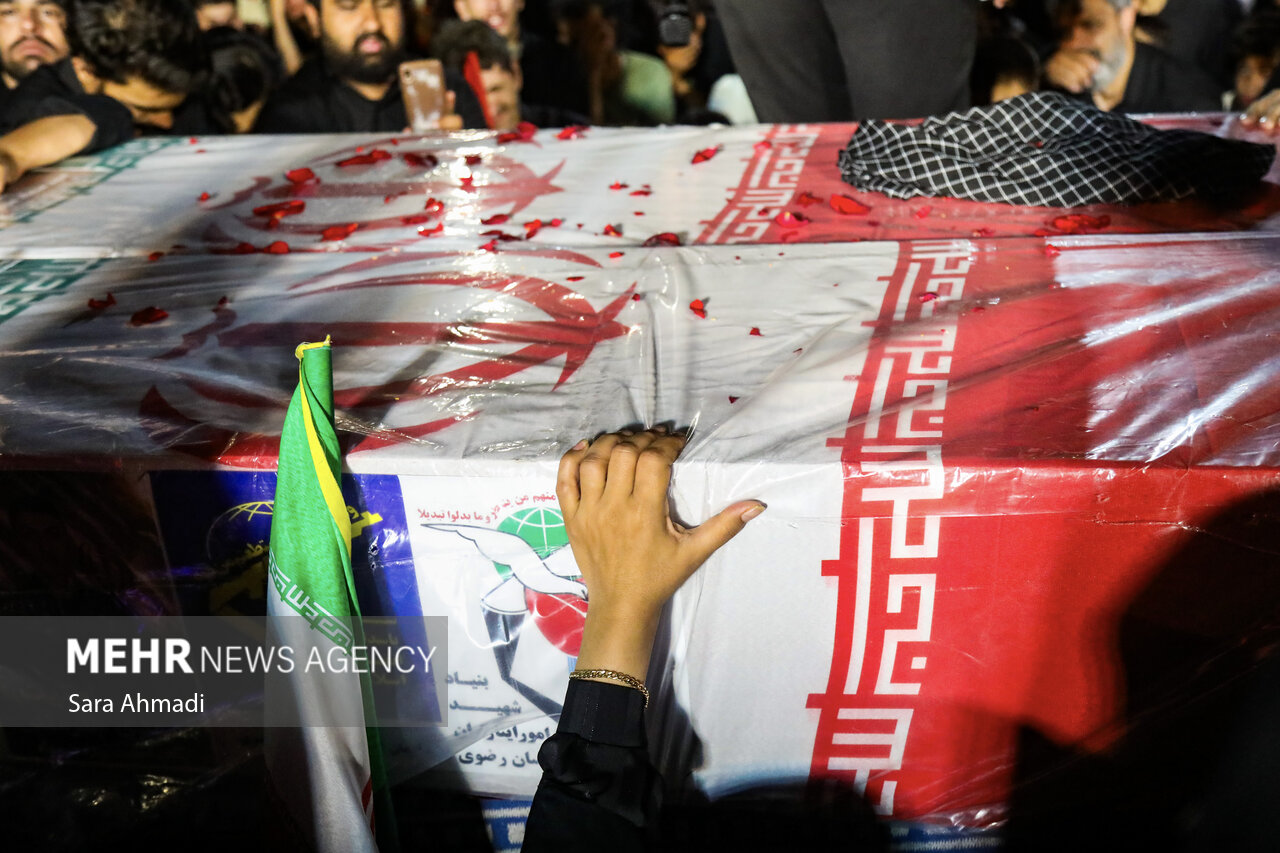
He also connected Iran's current stance to the sacrifices of martyrs, the work of commanders and scientists, and the leadership of the martyred Leader. In his telling, those elements helped produce an Iran that is now more aware, more resolute and more determined than before.
The article's broader message
The piece is not a policy announcement. It is a political and symbolic message aimed at reinforcing Iran's narrative after war: that pressure has not weakened the country, but instead hardened its stance. The emphasis is on endurance, sacrifice and the claim of strategic success rather than on battlefield details or new diplomatic steps.
Key points
- Kazem Gharibabadi said Iran was neither defeated nor weakened by the 12-day war.
- He said Iran emerged with stronger will, greater awareness and more determination.
- He accused the Israeli regime of relying on assassinations, aggression and crime.
- The statement honored martyrs, commanders, scientists and the martyred Leader.
- The article is a symbolic anniversary message rather than a policy announcement.
If this framing holds, Iranian officials may use the war's anniversary to strengthen public unity and confidence. The message also suggests Iran wants to project steadiness and resilience rather than vulnerability.
The same message can also signal that confrontation with Israel remains intense and unresolved. By centering sacrifice and retaliation language, the story points to a political climate where tensions may stay high.