Iran: Execution of Islamabad Agreement with US Has Been Stopped
Iran has announced that it has stopped the execution of the Islamabad Agreement with the US, which was signed about a month ago. The agreement was aimed at providing a framework for negotiations leading to a permanent peace treaty between the two countries. However, the s…
Intelligence analysis by Llama
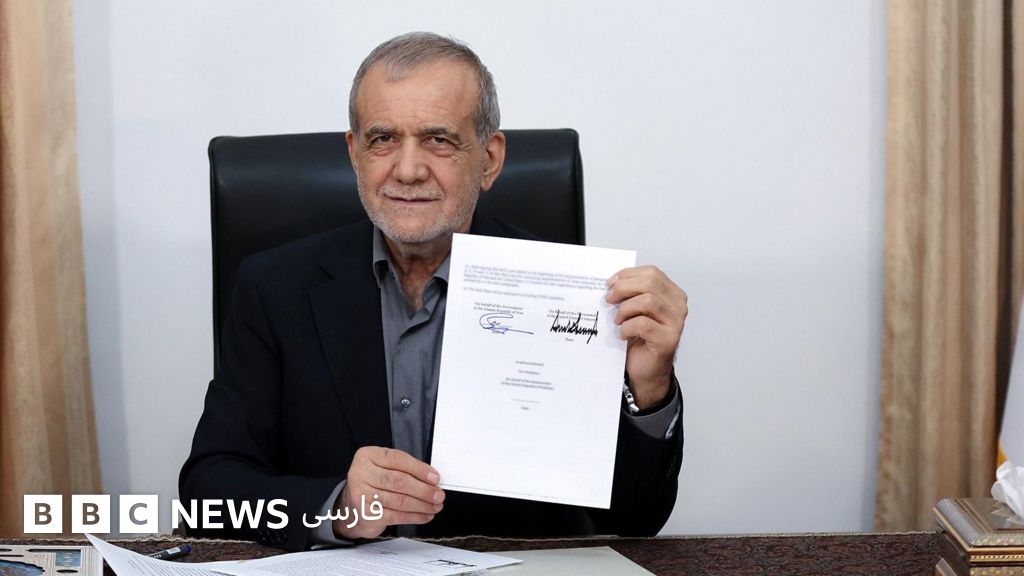
Iran has stopped the execution of the Islamabad Agreement with the US, citing the US's failure to uphold its commitments under the agreement. The agreement was aimed at providing a framework for negotiations leading to a permanent peace treaty between the two countries. However, the situation has deteriorated in recent weeks, with the US attacking Iranian ships in the Strait of Hormuz…
Iran and the US had a deal to stop fighting, but the US broke the deal by attacking Iranian ships. Iran is now stopping the deal because the US won't keep its promises. This means that the two countries will probably keep fighting, which is bad for everyone in the region.
Analysis
A $60B Vote of Confidence
The Islamabad Agreement was a significant development in US-Iran relations, marking a major breakthrough in efforts to reduce tensions between the two countries. The agreement was aimed at providing a framework for negotiations leading to a permanent peace treaty between the two countries. However, the situation has deteriorated in recent weeks, with the US attacking Iranian ships in the Strait of Hormuz and Iran retaliating with missile strikes against US military bases in Iraq.
The US's failure to uphold its commitments under the agreement has led Iran to stop the execution of the agreement. This decision has significant implications for the future of US-Iran relations and the stability of the region. The agreement was seen as a major breakthrough in efforts to reduce tensions between the two countries, but its collapse raises concerns about the prospects for peace in the region.
The US's actions in the region have been widely criticized, with many seeing them as an attempt to undermine Iran's economy and weaken its government. The US's decision to attack Iranian ships in the Strait of Hormuz has been particularly criticized, with many seeing it as a reckless and provocative move that has increased tensions in the region.
Iran's decision to stop the execution of the agreement is a response to the US's failure to uphold its commitments under the agreement. The Iranian government has stated that it will not continue to implement the agreement unless the US meets its commitments. This decision has significant implications for the future of US-Iran relations and the stability of the region.
The collapse of the Islamabad Agreement raises concerns about the prospects for peace in the region. The agreement was seen as a major breakthrough in efforts to reduce tensions between the two countries, but its collapse raises concerns about the ability of the two countries to work together to achieve peace in the region.
The US's actions in the region have been widely criticized, with many seeing them as an attempt to undermine Iran's economy and weaken its government. The US's decision to attack Iranian ships in the Strait of Hormuz has been particularly criticized, with many seeing it as a reckless and provocative move that has increased tensions in the region.
Iran's decision to stop the execution of the agreement is a response to the US's failure to uphold its commitments under the agreement. The Iranian government has stated that it will not continue to implement the agreement unless the US meets its commitments. This decision has significant implications for the future of US-Iran relations and the stability of the region.
The collapse of the Islamabad Agreement raises concerns about the prospects for peace in the region. The agreement was seen as a major breakthrough in efforts to reduce tensions between the two countries, but its collapse raises concerns about the ability of the two countries to work together to achieve peace in the region.
Key points
- Iran has stopped the execution of the Islamabad Agreement with the US, citing the US's failure to uphold its commitments under the agreement.
- The agreement was aimed at providing a framework for negotiations leading to a permanent peace treaty between the two countries.
- The US's actions in the region have been widely criticized, with many seeing them as an attempt to undermine Iran's economy and weaken its government.
- Iran's decision to stop the execution of the agreement is a response to the US's failure to uphold its commitments under the agreement.
- The collapse of the Islamabad Agreement raises concerns about the prospects for peace in the region.
If the US and Iran can find a way to work together and meet their commitments under the agreement, there is a chance for peace in the region. However, the current situation is dire, and it will take a lot of effort to get back on track.
The collapse of the Islamabad Agreement raises concerns about the prospects for peace in the region. The US's actions in the region have been widely criticized, and Iran's decision to stop the execution of the agreement is a response to the US's failure to uphold its commitments. This means that the two countries will probably keep fighting, which is bad for everyone in the region.