Iran FM issues statement on continued truce violation by US
Iran’s Foreign Ministry condemned a US strike on radar and surveillance sites in Sirik and Qeshm as a ceasefire breach and vowed a proportionate response.
Intelligence analysis by GPT-5.4 Mini
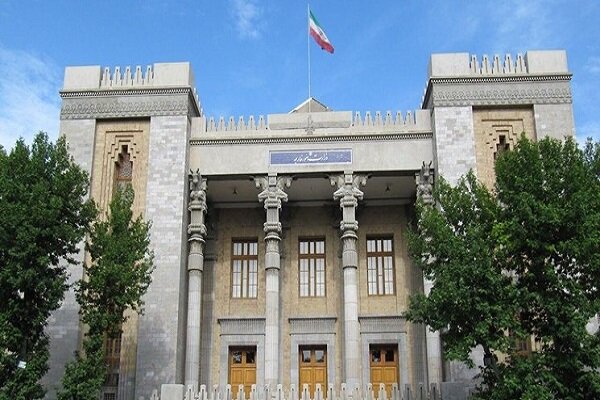
Tehran says the US attacked coastal radar and surveillance facilities in Sirik and Qeshm early Saturday, calling it a violation of the April 8 ceasefire and Iran’s sovereignty. The ministry says Iranian forces responded and warned the US could bear responsibility for further escalation.
Iran says the US hit some of its shore equipment, like damaging the watchtowers that help guard a fence. Tehran says it hit back and told the world the US is breaking a truce and making the area more dangerous.
Analysis
What Iran is saying
The Iranian Ministry of Foreign Affairs said the US military carried out an early-morning strike on Saturday, June 6, targeting coastal radar and surveillance facilities in the Sirik region and on Qeshm Island. Tehran described the facilities as part of border security and protection for shipping in international waterways.
The ministry framed the strike as a clear violation of the ceasefire reached on April 8 and as an attack on Iran’s national sovereignty and territorial integrity. It said the action fits a broader pattern of hostile and provocative US behavior and shows, in Iran’s view, disregard for international law and the UN Charter.
Response and warning
According to the statement, Iran’s armed forces responded in what it called a proportionate and effective way under the right of legitimate defense. Tehran said that response prevented the planners of the attack from achieving their aims.
Iran also argued that the repeated ceasefire violations show the US does not want to reduce tensions or return to stability. The ministry warned that any escalation and the consequences of the illegal actions would be the responsibility of the US government.
Regional message
Beyond the US, the statement urged countries in the region to follow good-neighborliness and avoid allowing their territory or facilities to be used for attacks on Iran. Tehran also asked the UN secretary-general, the Security Council, and other international bodies to react quickly to what it called a flagrant ceasefire violation.
The article adds operational details: at 1:30 a.m., four tankers allegedly tried to leave the Strait of Hormuz without coordinating with the IRGC Navy; after warnings, one tanker was struck and stopped, and the others turned back. At 2:00 a.m., the article says US drones hit two IRGC telecommunications towers, one on Qeshm Island and one in Sirik.
Key points
- Iran’s Foreign Ministry condemned a US strike on radar and surveillance facilities in Sirik and Qeshm.
- Tehran called the attack a violation of the April 8 ceasefire and a breach of Iran’s sovereignty.
- The ministry said Iranian forces responded in a proportionate and effective way.
- Iran warned the US would bear responsibility for any further escalation.
- The statement urged regional states and the UN to respond to what Tehran called an illegal action.
If diplomacy takes hold, the episode could push outside powers to press for restraint and clearer rules around the ceasefire. That could reduce the chance of more strikes near the Strait of Hormuz and help protect shipping routes.
If both sides keep treating this as an active military exchange, the ceasefire could unravel further. More attacks or counterattacks around sensitive maritime chokepoints could raise the risk of wider regional disruption.