Iran launches missiles at Israel in response to strikes on Beirut
Iran fired missiles at Israel after Israeli strikes on Beirut’s southern suburbs, escalating the crisis and threatening ceasefire efforts.
Intelligence analysis by GPT-5.4 Mini
The article describes a fast-moving escalation: Israeli strikes on Hezbollah-linked areas in Beirut prompted an Iranian missile response, while the U.S. urged restraint and a return to talks. It frames the exchange as the most serious flare-up since April.
Two rivals threw punches, and then one of their friends joined in by firing missiles back. The grown-ups trying to stop the fight are warning both sides to sit down and talk before it gets much bigger.
Analysis
What happened
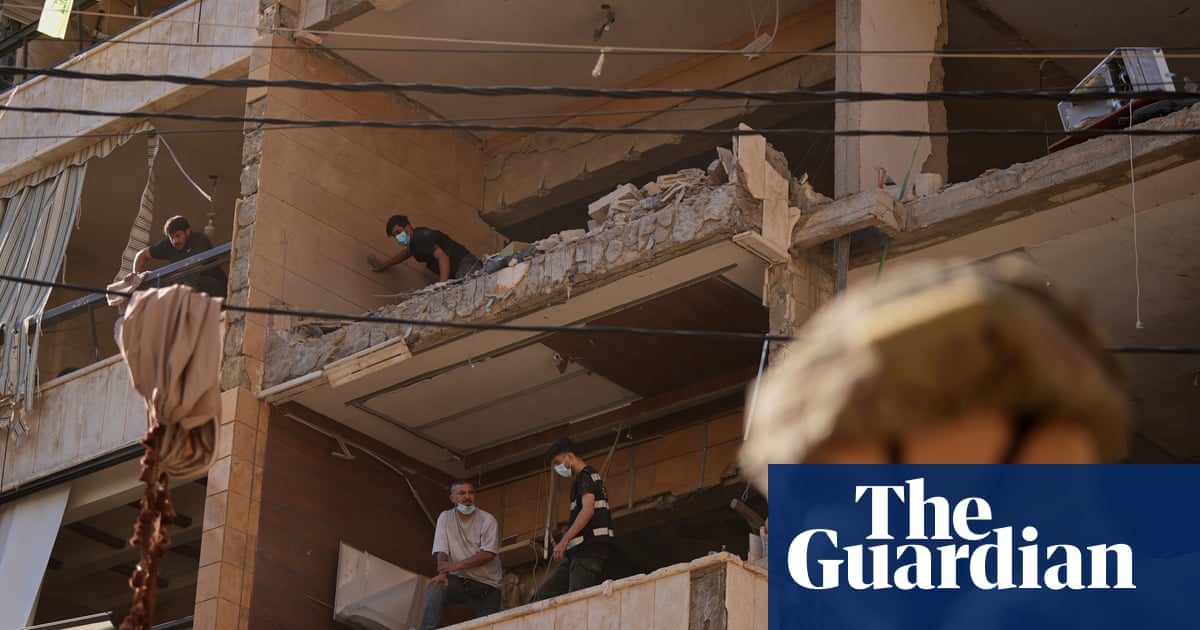
Israel struck apartment buildings in Beirut’s southern suburbs, an area closely associated with Hezbollah. Lebanese state media reported two deaths and 11 injuries in the initial toll, and the strikes sent residents fleeing amid fears of more attacks.
Iran answered with about 10 ballistic missiles aimed at northern Israel. The Israeli military said it intercepted all of them or that they landed in open areas. Iranian officials presented the launch as a deliberate retaliation, with the Revolutionary Guard warning that missile and drone attacks would continue for a week unless Israel stopped what it called its crimes.
Political fallout
The article says the exchange disrupted a fragile ceasefire and deepened pressure on diplomacy. A senior Iranian official promised a “decisive and painful” response, while a top Iranian parliamentary figure said U.S. bases and assets in the region could be treated as legitimate targets. On the American side, Donald Trump urged Iran to return to negotiations and said a deal was still close, even as he criticized the Israeli strikes for making talks harder.
Wider context
The article ties the flare-up to earlier fighting in Lebanon and to the broader Iran-U.S. negotiation track. It says Hezbollah had recently rejected a ceasefire proposal and that the conflict in Lebanon had become one of the main obstacles to a broader settlement. The main immediate risk is that retaliatory strikes keep multiplying, pulling in more actors and making a diplomatic off-ramp harder to find.
Key points
- Israel struck buildings in Beirut’s southern suburbs, which Lebanon says killed two people and wounded 11.
- Iran responded with about 10 ballistic missiles fired at northern Israel.
- The Israeli military said it intercepted the missiles or that they landed in open areas.
- Iranian officials framed the attack as the start of sustained retaliation over the next week.
- Donald Trump urged Iran to return to the negotiating table and said a deal was still close.
If both sides stop responding blow for blow, the missile exchange could stay limited instead of turning into a wider regional war. The article also says the U.S. still sees room for a deal and is urging a return to negotiations.
The Revolutionary Guard warned of continuous strikes for a week, which raises the risk of repeated attacks and a much broader conflict. If Israel and Iran keep retaliating, the talks mentioned in the article could collapse and U.S. assets in the region could come under pressure.