Iran Opens Door to Conditional Diplomacy Amidst Fiercest US Financial Pressure
Iranian Foreign Minister Abbas Araqcchi stated that restoring diplomacy with the US is possible if Washington abandons pressure, speaks respectfully, and honors commitments, following discussions with Qatar's Prime Minister. This comes as the US imposes severe financial s…
Intelligence analysis by Gemini 2.5 Flash
Amidst intensified US financial sanctions, Iran's Foreign Minister Abbas Araqcchi has indicated a willingness for conditional diplomacy, emphasizing the need for the US to abandon pressure tactics and engage respectfully. This stance follows mediation efforts by Qatar, even as former US President Donald Trump publicly dismisses the idea of negotiations, claiming Iran is desperate for …
Imagine two big kids, America and Iran, are having a big argument. America is trying to make Iran do what it wants by taking away its pocket money. But Iran's diplomat says they can talk nicely if America stops being so bossy and promises to be fair. Another big kid, Qatar, is trying to help them talk, but one of America's old leaders says he doesn't want to talk at all, claiming Iran is just begging for a deal.
Analysis
The current diplomatic landscape between Iran and the United States remains fraught with tension, characterized by a significant 'financial assault' from Washington and a conditional openness to dialogue from Tehran. Iranian Foreign Minister Abbas Araqcchi's recent statements underscore a persistent demand for a shift in US policy, moving away from punitive measures towards a more respectful and trust-building approach. This comes at a critical juncture where the US administration is reportedly replacing military threats with an aggressive 'policy of punitive siege,' as highlighted by 'Axios' reports.
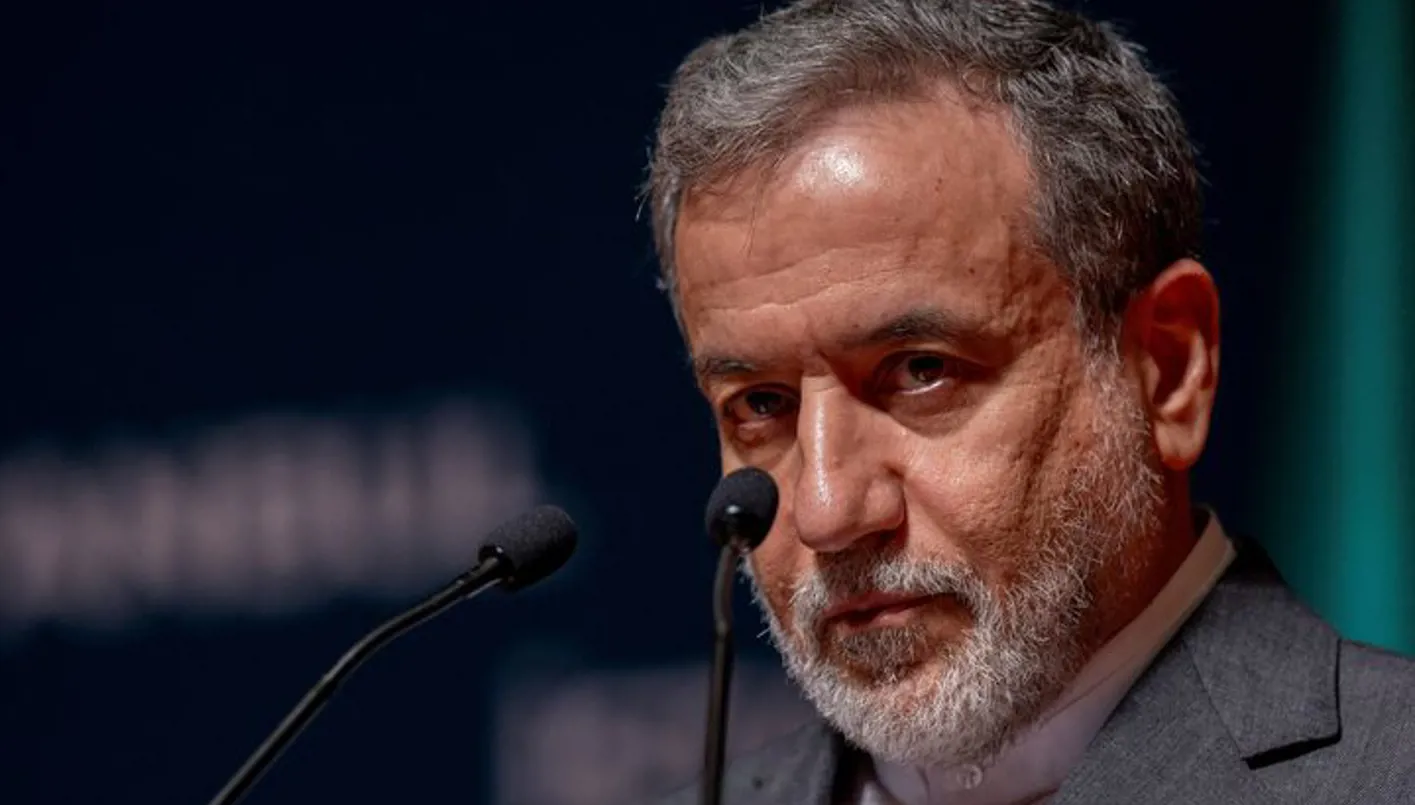
Abbas Araqcchi
Iranian Foreign Minister Abbas Araqcchi has articulated a clear pathway for the resumption of diplomacy, asserting that it is 'not impossible' to restore it to its correct course. However, this possibility is firmly contingent on the United States recognizing the futility of its current pressure tactics. Araqcchi, following 'constructive discussions' with Qatar's Prime Minister and Foreign Minister Sheikh Mohammed bin Abdulrahman Al Thani, emphasized that Washington must actively work to build trust, engage in respectful dialogue, acknowledge Iran's legitimate rights, and, crucially, adhere to its international commitments. This stance reflects Iran's long-held position that any negotiation must be based on mutual respect and a departure from coercive measures.
Donald Trump
In stark contrast to Iran's conditional overtures, former US President Donald Trump has maintained a rigid refusal to re-engage in negotiations. Speaking on 'Truth Social,' Trump reiterated his disinterest in meeting with Iranian officials, claiming that it is the Iranians who are 'begging for a deal.' This position, if adopted by a future US administration, would likely perpetuate the current stalemate and further complicate any prospects for diplomatic resolution. Trump's rhetoric underscores a fundamental divergence in how both sides perceive the impetus and conditions for dialogue, with Iran seeking an end to pressure and Trump asserting Iranian desperation.
Qatar
The role of Qatar as a persistent mediator in the US-Iran dynamic is evident through the recent high-level meetings. Sheikh Mohammed bin Abdulrahman Al Thani, Qatar's Prime Minister and Foreign Minister, engaged in discussions with Araqcchi in Tehran, signaling ongoing efforts to facilitate diplomatic breakthroughs. These mediation attempts are crucial in providing a channel for communication and potentially bridging the significant trust deficit between Washington and Tehran. Qatar's consistent engagement highlights its strategic importance in regional diplomacy, aiming to de-escalate tensions and foster stability in a volatile Middle East.
Key points
- Iranian Foreign Minister Abbas Araqcchi stated that restoring diplomacy with the US is possible but conditional on Washington abandoning pressure tactics.
- Araqcchi emphasized the need for the US to build trust, speak respectfully, recognize Iran's rights, and adhere to its commitments.
- These remarks followed "constructive discussions" with Qatar's Prime Minister and Foreign Minister, Sheikh Mohammed bin Abdulrahman Al Thani, who is mediating.
- Iranian President Masoud Pezeshkian affirmed adherence to a memorandum of understanding despite distrust of the US.
- Former US President Donald Trump reiterated his refusal to negotiate, claiming Iran is "begging for a deal."
If the US were to heed Iran's call for respectful dialogue and acknowledge the ineffectiveness of extreme pressure, a diplomatic path could open, potentially leading to de-escalation of tensions and a more stable regional environment. Qatar's continued mediation efforts could facilitate initial trust-building steps, paving the way for future negotiations.
The current impasse, exacerbated by former President Trump's hardline stance and Iran's distrust, suggests that a breakthrough in diplomacy remains highly challenging. The continuation of the "fiercest financial assault" by the US could further entrench positions, leading to prolonged regional instability and economic hardship for Iran, with no clear path to resolution.