Iran protests: Family finds missing son in grave of another killed protester
A family in Iran has found the body of their missing son in the grave of another protester who was killed during the recent protests. The family had been searching for their son, Soroush, for seven months after he went missing during the protests. They had been told by se…
Intelligence analysis by Llama
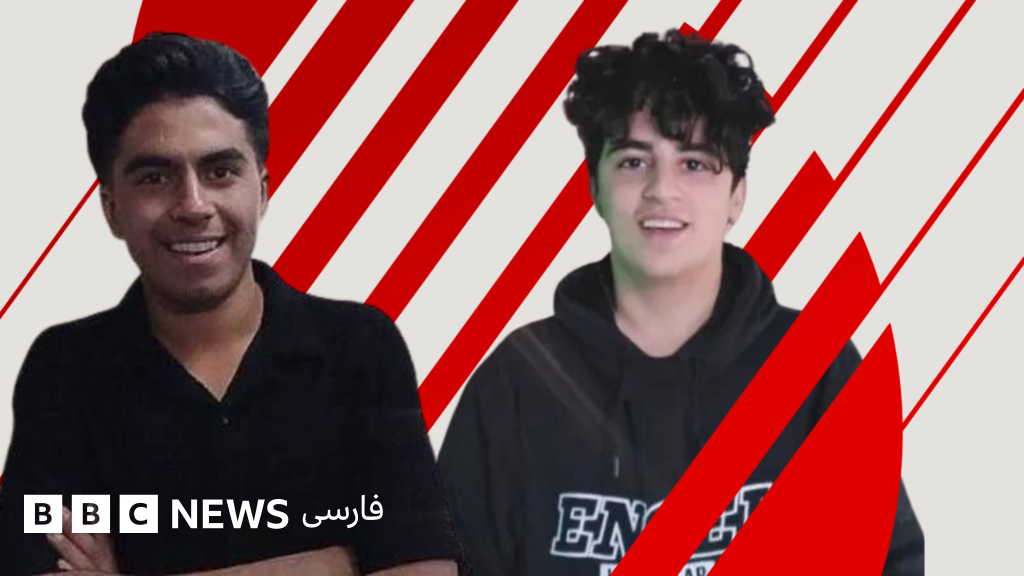
A family in Iran has found the body of their missing son in the grave of another protester who was killed during the recent protests. The family had been searching for their son, Soroush, for seven months after he went missing during the protests. They had been told by security forces that he was alive and in detention, but they were unable to find him. The family had given up hope of…
Imagine you're a family who has lost a loved one during a protest. You're searching for answers about what happened to them, but the authorities are not giving you any information. You're left to wonder what happened to your loved one, and whether they were buried with dignity. This is the story of Amir Ali and Soroush Krmi, two young men who were killed during the protests in Iran. Their families have been searching for answers about their deaths for months, but they have been unable to find any information. The story highlights the importance of transparency and accountability in the handling of protests and the treatment of protesters and their families.
Analysis
A Grave Mistake: The Story of Amir Ali and Soroush Krmi
The recent protests in Iran have left a trail of death and destruction in their wake. Among the many victims of the protests were two young men, Amir Ali and Soroush Krmi, who were both killed during the violence. But their stories are not just ones of tragedy and loss; they are also stories of bureaucratic incompetence and human error.
Amir Ali, a 17-year-old boy, was killed during the protests in the city of Kerman. His family was devastated by his death, and they were determined to find out what had happened to him. They were told by the authorities that Amir Ali had been killed by a bullet, but they were not given any further information. They were left to wonder what had happened to their son, and whether he had been buried with dignity.
Meanwhile, Soroush Krmi, a 19-year-old boy, had gone missing during the protests. His family had been searching for him for months, but they had been unable to find any information about his whereabouts. They had been told by the authorities that Soroush was alive and in detention, but they were not given any further information. They were left to wonder what had happened to their son, and whether he was still alive.
It was not until months later, when the family received a video that showed Soroush being taken away by security forces after being shot, that they were able to confirm his identity through DNA testing. The DNA test revealed that the body in the grave was not Soroush's, but that of another protester named Amir Ali. The family was able to identify Amir Ali's body through a dental implant and a piece of platinum that was found in his body.
The story of Amir Ali and Soroush Krmi is a tragic one, but it also highlights the importance of transparency and accountability in the handling of protests and the treatment of protesters and their families. The Iranian authorities must take responsibility for their actions, and they must ensure that the families of those who have been killed or injured during the protests are treated with dignity and respect.
The Investigation: A Tale of Bureaucratic Incompetence
The investigation into the deaths of Amir Ali and Soroush Krmi is a tale of bureaucratic incompetence and human error. The authorities were unable to identify the bodies of the two young men, and they were unable to provide any information to their families about what had happened to them.
The family of Amir Ali was told that he had been killed by a bullet, but they were not given any further information. They were left to wonder what had happened to their son, and whether he had been buried with dignity.
Meanwhile, the family of Soroush Krmi had been searching for him for months, but they had been unable to find any information about his whereabouts. They had been told by the authorities that Soroush was alive and in detention, but they were not given any further information. They were left to wonder what had happened to their son, and whether he was still alive.
It was not until months later, when the family received a video that showed Soroush being taken away by security forces after being shot, that they were able to confirm his identity through DNA testing. The DNA test revealed that the body in the grave was not Soroush's, but that of another protester named Amir Ali. The family was able to identify Amir Ali's body through a dental implant and a piece of platinum that was found in his body.
The story of Amir Ali and Soroush Krmi is a tragic one, but it also highlights the importance of transparency and accountability in the handling of protests and the treatment of protesters and their families. The Iranian authorities must take responsibility for their actions, and they must ensure that the families of those who have been killed or injured during the protests are treated with dignity and respect.
The Aftermath: A Family's Search for Justice
The aftermath of the protests in Iran has been marked by a sense of uncertainty and confusion. The families of those who were killed or injured during the protests have been left to wonder what happened to their loved ones, and whether they will ever find justice.
The family of Amir Ali has been searching for answers about their son's death for months. They have been told by the authorities that he was killed by a bullet, but they have not been given any further information. They are still waiting to find out what happened to their son, and whether he was buried with dignity.
Meanwhile, the family of Soroush Krmi has been searching for their son for months. They have been told by the authorities that he is alive and in detention, but they have not been given any further information. They are still waiting to find out what happened to their son, and whether he is still alive.
The story of Amir Ali and Soroush Krmi is a tragic one, but it also highlights the importance of transparency and accountability in the handling of protests and the treatment of protesters and their families. The Iranian authorities must take responsibility for their actions, and they must ensure that the families of those who have been killed or injured during the protests are treated with dignity and respect.
Key points
- The family of Amir Ali has been searching for answers about their son's death for months.
- The family of Soroush Krmi has been searching for their son for months.
- The Iranian authorities have been unable to provide any information to the families about what happened to their loved ones.
- The families of Amir Ali and Soroush Krmi are still waiting to find out what happened to their loved ones, and whether they were buried with dignity.
- The story of Amir Ali and Soroush Krmi highlights the importance of transparency and accountability in the handling of protests and the treatment of protesters and their families.
The Iranian authorities may take steps to improve their handling of protests and the treatment of protesters and their families. They may establish a commission to investigate the deaths of Amir Ali and Soroush Krmi, and to provide answers to their families. This could lead to greater transparency and accountability in the handling of protests, and to a more just and equitable society for all.
The Iranian authorities may continue to deny the families of Amir Ali and Soroush Krmi any information about their loved ones. They may continue to cover up the truth about what happened to them, and to deny them any justice. This could lead to further suffering and injustice for the families of those who have been killed or injured during the protests.