Iran Ready to Hit US, Israeli Infrastructure: Official
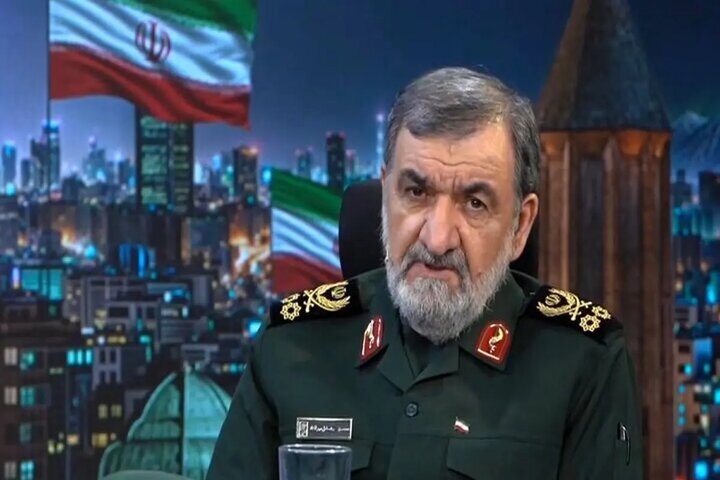
A senior Iranian security official stated that Iran has a broad retaliatory plan ready, targeting critical Israeli infrastructure and U.S. energy installations in the region. This warning comes amid escalating military exchanges and Iran's closure of the Strait of Hormuz.
Intelligence analysis by Gemini 2.5 Flash Lite

Iran has prepared an extensive retaliatory program targeting Israeli critical infrastructure and U.S. energy facilities in the region, according to a senior security official. This statement, framed as a response to potential "American madness," highlights Iran's readiness amid heightened military tensions and its control over the Strait of Hormuz.
Imagine two kids, Iran and the U.S./Israel, are arguing and throwing toys. Iran is saying, 'If you break my toys, I'll break your really important stuff, like your house's power lines and your dad's gas station.' They've also blocked the main road to the toy store, saying it will stay blocked until the arguing stops.
Analysis
Iran's Retaliatory Posture
The official's declaration of a "broad retaliatory plan" signifies a hardening of Iran's stance in its ongoing conflict with the United States and Israel. The explicit mention of targeting "critical infrastructure" of Israel and "U.S. energy installations in the region" suggests a strategy aimed at inflicting significant economic and strategic damage. This is not merely a defensive posture but a proactive threat, indicating Iran's willingness to escalate beyond conventional military exchanges. The framing of potential U.S. and Israeli attacks as "madness" serves to delegitimize any preemptive actions by its adversaries while justifying its own aggressive preparedness.
The reference to the "40-day war and its continuation" likely alludes to a prolonged period of conflict, possibly a hypothetical or ongoing engagement that has demonstrated Iran's military capabilities and resolve. This assertion aims to bolster deterrence by showcasing a proven ability and a clear intention to execute retaliatory strikes. The statement implies that Iran has been actively developing and refining its response mechanisms, ready to deploy them should its perceived red lines be crossed.
Escalation Amidst Strait of Hormuz Control
This warning is issued against a backdrop of intensifying military exchanges and Iran's strategic move to close the Strait of Hormuz. By controlling this vital chokepoint for global oil shipments, Iran possesses significant leverage. The vow to keep the strait closed until U.S. "military interference" ends underscores its determination to use this leverage as a bargaining chip and a tool of coercion. The threat of striking U.S. energy infrastructure directly links the fate of the strait to broader regional energy security, potentially impacting global markets.
The article notes that Iran has been striking American bases and that U.S. forces have been hitting Iranian territory, indicating a cycle of escalation. Iran's official statement suggests that any further U.S. or Israeli aggression would trigger a disproportionately severe response, moving beyond localized skirmishes to strategic infrastructure attacks. This raises the stakes considerably, transforming a regional conflict into a potential global crisis.
Geopolitical Implications and Deterrence
The official's statement serves a dual purpose: to deter potential attacks by signaling severe consequences and to rally domestic support by projecting strength against perceived foreign threats. By directly threatening U.S. and Israeli infrastructure, Iran aims to impose a high cost on any hostile actions, thereby strengthening its own security calculus. This aggressive posturing is a key element of Iran's asymmetric warfare strategy, designed to offset conventional military disadvantages.
However, such overt threats also carry significant risks. They could provoke a more robust response from the U.S. and its allies, potentially leading to a wider conflict. The effectiveness of Iran's deterrence strategy hinges on the perceived credibility of its threats and the willingness of its adversaries to weigh the potential costs of escalation. The current geopolitical climate, characterized by heightened tensions, makes such pronouncements particularly volatile and consequential for regional and global security.
Key points
- Iran has prepared a broad retaliatory plan targeting Israeli and U.S. infrastructure.
- A senior Iranian security official issued the warning amid escalating military exchanges.
- Iran has closed the Strait of Hormuz and vowed it will remain shut.
- The official dismissed reports of potential U.S. and Israeli attacks as "madness."
If this strong stance deters further aggression, it could lead to a de-escalation of immediate military actions. Iran's demonstrated readiness might encourage diplomatic channels to open, seeking a resolution to the underlying tensions and preventing a wider conflict that would destabilize the region.
The aggressive rhetoric and threat of targeting critical infrastructure could provoke a severe retaliatory response from the U.S. and Israel, leading to a full-scale regional war. This could result in significant damage to global energy supplies, economic turmoil, and widespread human suffering.