Strait of Hormuz has nothing to do with US: Advisor to Leader
A senior military advisor to Iran's Leader, Mohsen Rezaei, asserted that the Strait of Hormuz is irrelevant to the US, emphasizing its shared ownership by Iran and Oman and global usage without US intervention.
Intelligence analysis by Gemini 2.5 Flash
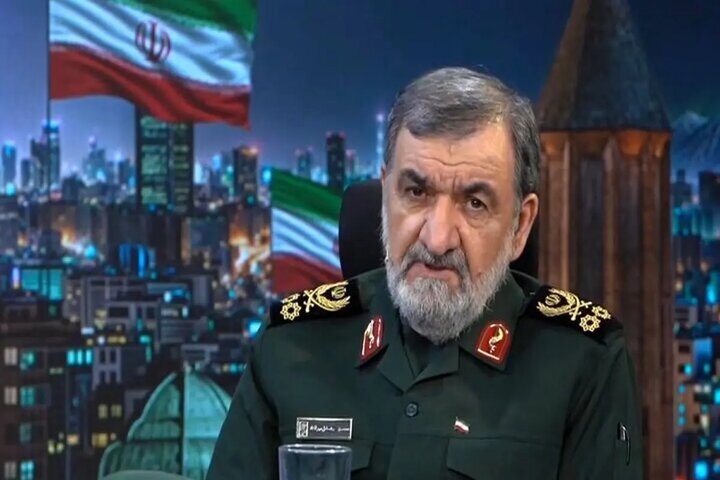
Mohsen Rezaei, a former IRGC chief commander and current advisor to Iran's Leader, declared that the Strait of Hormuz is sovereign territory belonging to Iran and Oman, not subject to US interference. He stressed that the world uses the strait and no country desires US meddling, viewing US presence with suspicion due to ongoing conflict.
Imagine a very important gate that lets ships carry oil from a big lake to the rest of the world. Iran says this gate is like their backyard, shared only with their neighbor Oman, and that a big country like the US has no business telling them what to do with it. They think the US is trying to poke its nose in where it doesn't belong, and they're suspicious because they've had arguments before.
Analysis
Iran's Assertive Stance on Hormuz Sovereignty
Mohsen Rezaei's declaration that the Strait of Hormuz "has nothing to do with the US" and belongs solely to Iran and Oman is a direct challenge to the principle of international passage through strategic waterways. By emphasizing its unique status as an "entrance to a gulf" rather than a typical strait between oceans, Iran attempts to assert a higher degree of control over its territorial waters. This framing suggests that Iran views any US naval presence in the Persian Gulf via Hormuz as an infringement on its sovereignty, rather than a legitimate exercise of freedom of navigation. This position is consistent with Iran's long-standing claims over the waterway.
Challenging US Influence in the Persian Gulf
The advisor's explicit statement that Iran is "suspicious of the US government" because "Iran has been and is at war with the United States" underscores the deep-seated animosity and distrust that defines the bilateral relationship. Rezaei's rhetoric aims to delegitimize the US presence in the region, portraying it as an unwanted interventionist force. By questioning whether "European countries willing to let US intervene alone in the fate of the Strait of Hormuz," Iran attempts to sow discord among US allies and rally international opposition against perceived American unilateralism in a globally critical maritime choke point.
Implications for Regional Stability and Global Trade
Such high-level pronouncements from a senior military advisor carry significant weight and directly impact regional stability. The Strait of Hormuz is a vital conduit for a substantial portion of the world's oil supply, making any threat to its security a global economic concern. Iran's assertive posture, coupled with its historical threats to close the Strait, signals a potential for escalation in response to perceived US aggression or interference. This rhetoric serves as a warning, indicating that Iran is prepared to defend its perceived sovereign rights over the waterway, which could lead to increased military posturing and heightened tensions in an already volatile Middle East, with potential ripple effects on international energy markets.
Key points
- Mohsen Rezaei, advisor to Iran's Leader, stated the Strait of Hormuz has no connection to the US.
- Rezaei emphasized the Strait is territorial water shared by Iran and Oman.
- He argued no country desires US intervention in the Strait's fate.
- Iran views US presence in the Persian Gulf via Hormuz with suspicion due to ongoing conflict.
- The Strait's unique nature as a gulf entrance distinguishes it from other international straits.
Iran's strong assertion of sovereignty over the Strait of Hormuz could lead to increased military confrontations or naval incidents if the US continues its presence, potentially disrupting global oil supplies and escalating regional tensions. This confrontational stance risks miscalculation and unintended conflict in a critical international waterway.
Market signals
- OIL Iran's statements regarding control over the Strait of Hormuz introduce geopolitical risk to a key oil transit route, potentially driving up crude prices.
AI-generated analysis of potential market relevance. Not financial advice.