Iran resisted war through Leaders’ guidance, national unity
Iranian President Masoud Pezeshkian stated that Iran resisted war through national unity and wise leadership, despite significant pressures, and emphasized continued dialogue and cooperation with neighbors.
Intelligence analysis by Gemini 2.5 Flash
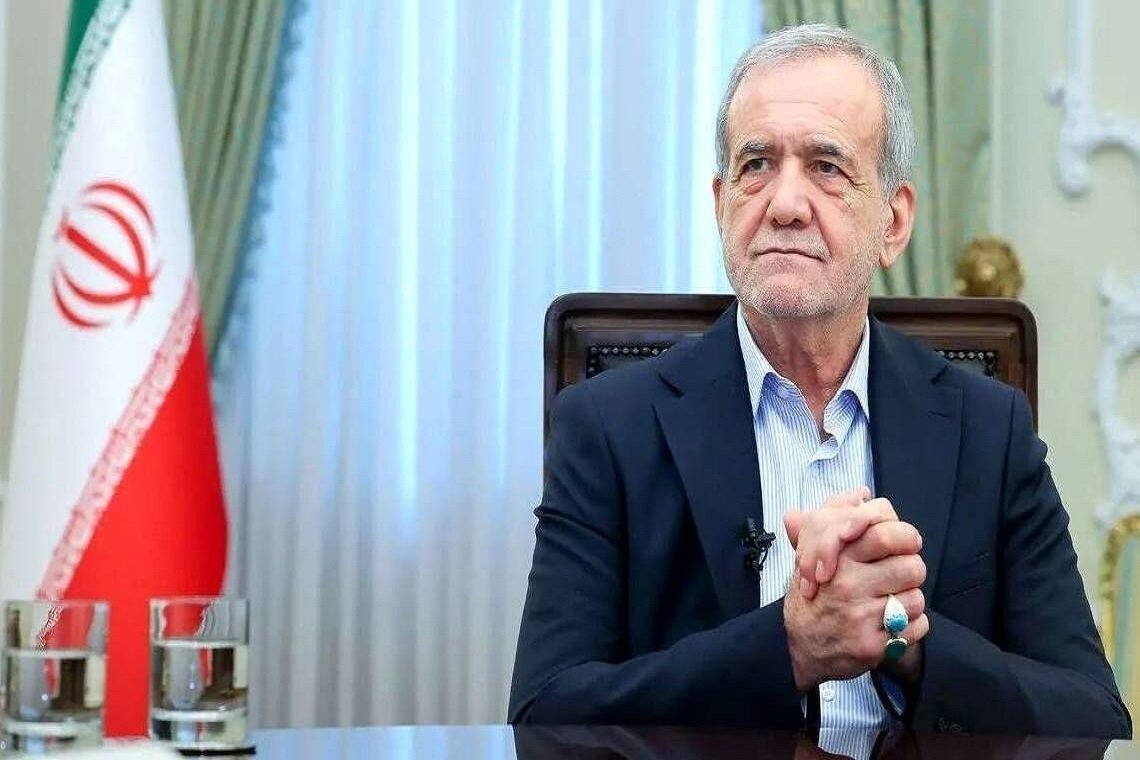
President Pezeshkian, marking his administration's third year, highlighted Iran's resilience against past attacks, attributing it to national unity and leadership. He stressed the importance of strengthening solidarity among Muslim countries, pursuing dialogue with neighbors, and addressing domestic economic and infrastructural challenges while continuing negotiations on sanctions and…
Imagine Iran is like a big family facing tough times, like when you have to share toys or deal with a bully. The President says they stayed strong because everyone worked together and listened to their wise leaders. Now, they want to talk nicely with their neighbors and solve problems, but they also want others to keep their promises, especially about things like selling oil and getting their money back, so everyone can be safe and happy.
Analysis
President Masoud Pezeshkian's recent televised interview offers a comprehensive overview of Iran's strategic posture, blending historical resilience with contemporary challenges and future aspirations. His remarks underscore a pragmatic approach to both foreign relations and domestic governance, emphasizing the critical role of national cohesion in navigating complex geopolitical and economic landscapes.
Masoud Pezeshkian
President Pezeshkian's address serves as a crucial articulation of his administration's priorities, particularly as it enters its third year. He framed Iran's past resistance to war as a testament to the collective strength derived from popular participation and the guidance of its leaders, both past and present. This narrative aims to reinforce a sense of national pride and collective responsibility in the face of ongoing external pressures.
His acknowledgment of significant economic, infrastructural, and security pressures, even before past conflicts, suggests a candid assessment of the nation's vulnerabilities. However, he consistently pivoted back to the idea that unity and wise leadership were the decisive factors in overcoming these challenges. This framing is designed to rally domestic support and project an image of steadfastness internationally, despite the complexities Iran faces.
Supreme National Security Council
The President revealed that a framework for negotiations, developed by Iran's Supreme National Security Council, represented a significant diplomatic achievement. This framework, supported by 12 of the 13 council members, outlined reciprocal commitments concerning sanctions, blockades, oil and petrochemical exports, frozen funds, and investments. The emphasis on collective judgment highlights a consensus-driven approach to critical national security matters.
However, Pezeshkian noted that the agreement was disrupted due to the other side's failure to honor its commitments, leading to a resumption of negotiations. This detail is crucial, as it signals Iran's continued willingness to engage in dialogue while maintaining a firm stance on reciprocity. The mention of specific areas like Lebanon within the agreement's scope also indicates the broad regional implications of these diplomatic efforts.
Strait of Hormuz
The strategic importance of the Strait of Hormuz was a key point in President Pezeshkian's discussion on regional security and economic stability. He stated Iran's readiness to reopen this vital maritime route within an agreed framework, contingent upon the other side fulfilling its commitments. This conditional offer underscores Iran's leverage over a critical global energy chokepoint and its demand for equitable treatment in international agreements.
His remarks about preferring dialogue to confrontation and the potential for establishing peace and security in West Asia directly link the Strait's status to broader regional stability. By tying the reopening of the Strait to the honoring of commitments, Iran signals its intent to use its strategic position as a bargaining chip in ongoing negotiations, particularly those related to sanctions and economic relief. This approach aims to ensure that any future agreements are genuinely reciprocal and beneficial to Iran's national interests.
Key points
- President Pezeshkian attributes Iran's resistance to war to national unity and wise leadership.
- Iran faces significant economic, infrastructural, and security pressures, including inflation and currency fluctuations due to sanctions.
- A framework for negotiations by the Supreme National Security Council was disrupted after the other side failed to honor commitments, but talks have resumed.
- Iran is prepared to reopen the Strait of Hormuz if the other side fulfills its commitments.
- The government is working to address domestic issues like energy shortages, inflation, and healthcare reform, while also pursuing closer regional relations.
President Pezeshkian's emphasis on dialogue and cooperation with neighboring countries, coupled with a framework for negotiations on sanctions, suggests a potential path toward de-escalation and improved regional stability. If reciprocal commitments are honored, it could lead to increased trade, unfreezing of Iranian assets, and enhanced economic development for Iran and West Asia.
The President's acknowledgment that past agreements were disrupted due to the other side's failure to honor commitments highlights a significant risk of renewed diplomatic stalemates. Continued distrust and a lack of reciprocity could prolong economic pressures, exacerbate domestic challenges like inflation, and maintain regional tensions, hindering efforts for peace and security.