Iran, Russia, and China Issue Joint Statement at the IAEA
Iran, Russia, and China rejected a Western-backed draft resolution at the IAEA and said it politicizes the nuclear issue.
Intelligence analysis by GPT-5.4 Mini
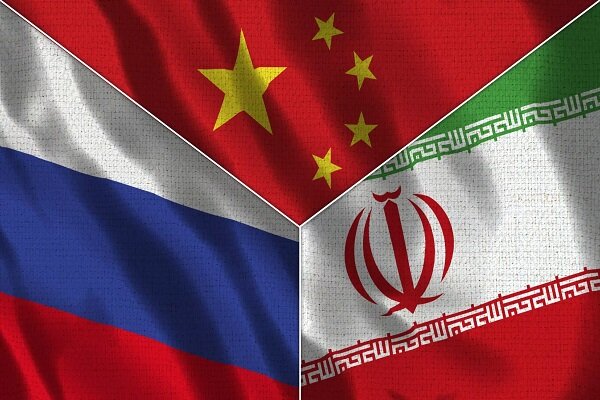
The three countries said the Board of Governors should not act on a resolution they view as legally baseless after UN Security Council Resolution 2231 expired. They also argued that attacks on Iranian nuclear sites have damaged the non-proliferation system and called for an end to military strikes and threats.
Iran, Russia, and China teamed up to tell the IAEA they do not like a new punishment-style plan against Iran. They said old rules have expired and that attacking nuclear sites is like breaking the game board while still arguing about the rules.
Analysis
What happened
Iran, Russia, and China issued a joint statement at the IAEA Board of Governors meeting rejecting a Western-drafted resolution against Iran. The statement was read by Moscow's permanent representative in Vienna and targeted a draft led by the United States, Germany, France, and the United Kingdom.
Their argument
The three countries said the board should not treat the current Iran item as appropriate because, in their view, UN Security Council Resolution 2231 expired on October 18, 2025. They argued that the Western draft tries to hold Iran to restrictions that are no longer in force.
They also linked the nuclear dispute to recent military attacks. The statement said strikes by the U.S. and Israel on Iranian nuclear infrastructure, along with threats of more attacks, have undermined the Non-Proliferation Treaty and created unprecedented pressure on the non-proliferation regime.
What they want
Moscow, Tehran, and Beijing urged other IAEA members not to support what they called an untimely, counterproductive, and deeply politicized resolution. They said IAEA Director General Rafael Grossi did not recommend punitive board action in his report, which they used to argue that the Western push lacks a firm basis.
Broader significance
The statement frames the confrontation as both a legal dispute and a security one. It ties the fate of Iran's nuclear file to the end of military pressure, the removal of threats, and what the three countries describe as Iran's inalienable right to peaceful nuclear technology without discrimination. For Iran, the message is that it does not face the issue alone; for its opponents, it is a challenge to the legitimacy of continued pressure through the IAEA board.
Key points
- Iran, Russia, and China issued a joint statement at the IAEA Board of Governors meeting.
- They rejected a Western-drafted resolution led by the U.S., Germany, France, and the U.K.
- The statement said UN Security Council Resolution 2231 expired on October 18, 2025.
- The three countries said attacks on Iranian nuclear sites have damaged the non-proliferation regime.
- They urged IAEA members not to support what they called a politicized resolution.
If other IAEA members heed the joint statement, the debate could shift away from punishment and back toward negotiation. A pause in military threats and a clearer respect for peaceful nuclear rights could reduce tension around Iran's nuclear program.
If the Western-backed resolution moves ahead, the standoff could become more politicized and harder to resolve. Continued military pressure or threats against Iranian nuclear sites could further weaken trust in the non-proliferation framework and deepen the confrontation.