Iran, Russia discuss cultural cooperation in Ankara
Iran and Russia have agreed to develop cinematic cooperation and joint cultural programs. The two countries emphasized the importance of cultural relations and examined existing capacities for expanding cultural cooperation in Turkey.
Intelligence analysis by Llama
Iran and Russia have agreed to develop cinematic cooperation and joint cultural programs. The two countries emphasized the importance of cultural relations and examined existing capacities for expanding cultural cooperation in Turkey.
Iran and Russia are working together to share their cultures and learn from each other. They want to show each other's movies, teach each other's languages, and have cultural events together. This will help people in both countries understand and appreciate each other's culture better.
Analysis
Cultural Cooperation Between Iran and Russia: A New Era of Understanding
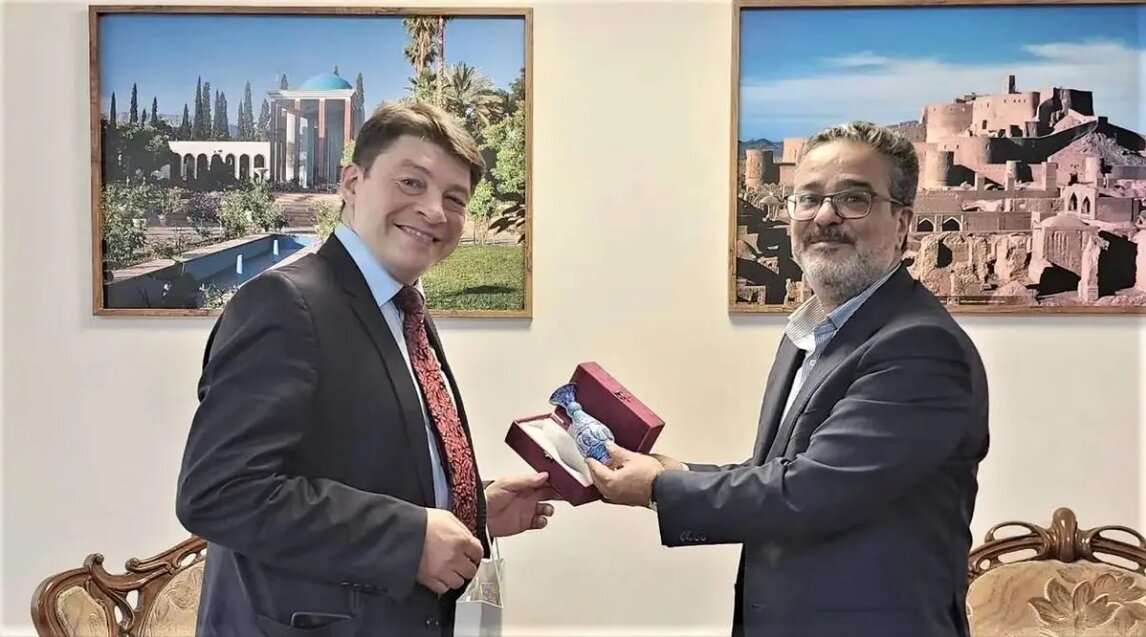
The recent meeting between the Iranian cultural attaché in Ankara, Asghar Farsi, and the president of the Russian Science and Culture Center in Ankara (Russian House Ankara) Alexander Sotnichenko has marked a significant step towards strengthening cultural relations between the two countries. The agreement to develop cinematic cooperation and joint cultural programs is a testament to the growing importance of cultural exchange in the region.
The two sides emphasized the need to strengthen communication and interaction between the cultural institutions of the two countries. This is a crucial step towards building a stronger cultural bridge between Iran and Russia. The exchange of experience and the implementation of joint cultural programs can help to deepen cultural relations and create a sense of mutual understanding.
One of the key areas of cooperation discussed during the meeting was the exchange of experience in the field of Persian language teaching. The Persian Language Center of the Cultural Office of the Islamic Republic of Iran in Ankara, which focuses on teaching Persian to non-native speakers, has several decades of experience in this field and can share its expertise with the Russian House Ankara.
The meeting also discussed the possibility of greater cooperation and interaction in organizing cinematic events, screening Iranian and Russian films, introducing the cinematic capacities of the two countries, and providing the groundwork for closer ties between filmmakers and industry professionals. This is a significant development, as it can help to promote cultural exchange and understanding between the two countries.
In addition to cinematic cooperation, the two sides also discussed the possibility of holding joint Iran-Russia cultural days. This can provide a suitable platform for introducing the cultural capacities of the two countries to Turkish society, as well as creating connections among artists, writers, and cultural figures.
The meeting was a significant step towards strengthening cultural relations between Iran and Russia. The agreement to develop cinematic cooperation and joint cultural programs is a testament to the growing importance of cultural exchange in the region. As the two countries continue to work together, it is likely that we will see a deeper understanding and appreciation of each other's culture.
Key points
- Iran and Russia have agreed to develop cinematic cooperation and joint cultural programs.
- The two countries emphasized the importance of cultural relations and examined existing capacities for expanding cultural cooperation in Turkey.
- The agreement includes the exchange of experience in the field of Persian language teaching.
- The two sides also discussed the possibility of holding joint Iran-Russia cultural days.
- The meeting was a significant step towards strengthening cultural relations between Iran and Russia.
The agreement between Iran and Russia on cultural cooperation has the potential to lead to a deeper understanding and appreciation of each other's culture. This can help to promote peace and stability in the region and create a sense of mutual respect and understanding.
However, there are also risks associated with this agreement. For example, if the cultural programs are not well-received by the Turkish public, it could lead to a backlash against the Iranian and Russian governments. Additionally, if the cultural programs are not well-organized, it could lead to a lack of interest and engagement from the public.