Iran says it will escalate if US does not honour deal within weeks
Iran warned it will escalate tensions in the Strait of Hormuz and launch a military strike to break a US naval blockade if Washington fails to fully implement a June interim deal within weeks.
Intelligence analysis by Llama
A senior Iranian official told Reuters Tehran has set a weeks-long deadline for the US to honour a June agreement, threatening escalation in the Strait of Hormuz and a 'timely and precise' attack on the blockade. The shift marks Tehran moving from defence to offence as it loses faith in diplomacy.
Imagine two kids made a deal to share a toy, but one kid won't give back the piece he promised. The other kid says: if you don't give it back in a few weeks, I'll come take it from you. That's what's happening between two big countries, and the toy is a narrow waterway that ships oil through.
Analysis
The Strait of Hormuz as leverage
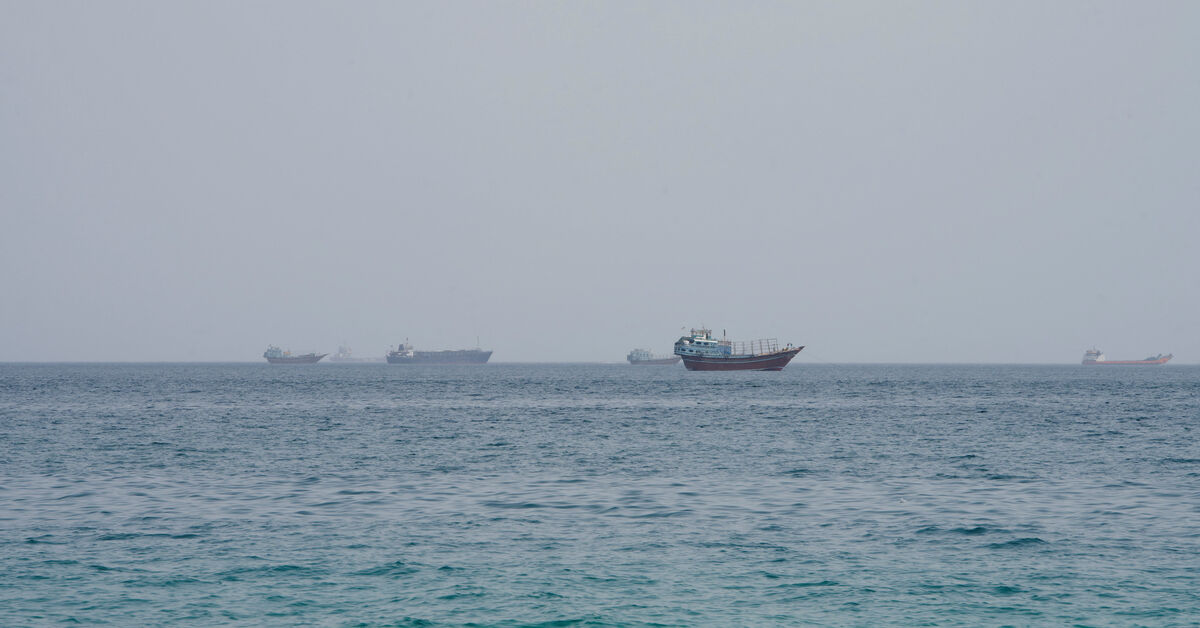
Iran's most pointed threat is directed at the Strait of Hormuz, the narrow waterway between Iran and Oman through which roughly a fifth of global seaborne oil passes. By signalling that it will not accept a US naval blockade passively and that it is prepared to escalate militarily, Tehran is converting the strait into both a bargaining chip and a battlefield. The senior Iranian official's language about a "timely and precise" military attack is unusually explicit for an Iranian readout and frames the response as calibrated retaliation rather than reckless escalation.
The geography amplifies the threat. Iran's foreign minister has already tied the reopening of the strait to Washington's return to the June deal, meaning the waterway is being held hostage to a political timetable. For Gulf allies and global oil markets, the message is that sustained disruption is a live policy option, not a theoretical one, and that Tehran is willing to absorb the cost of closure to force movement in Washington.
The June interim deal's provisions
The dispute centres on a June agreement whose terms have not been publicly detailed but that both sides say remain unimplemented. The Iranian official's framing is unambiguous: every provision of the deal must be honoured by the US within "a few weeks" before Iran considers further talks. Mediators, according to the official, will carry Tehran's deadline to Washington and to regional states, suggesting a back-channel process rather than direct negotiations.
The US position, by contrast, has visibly hardened. The Treasury Secretary has warned of "unprecedented economic isolation" for Iran, language that points to a sanctions-driven strategy rather than compromise. That asymmetry — Tehran demanding implementation, Washington tightening pressure — helps explain why diplomacy has stalled. Without a clear sequencing of steps, neither side has a politically survivable off-ramp, and the clock the Iranian official has now set narrows the window for one dramatically.
Tehran's shift from defence to offence
Perhaps the most consequential line in the report is the senior official's statement that Iran is "shifting its policy from defence to offence" because it has lost confidence in the merits of diplomacy with Washington. That admission, delivered in unusually blunt terms, suggests Tehran has concluded that negotiations are no longer the most reliable path to its objectives. If the view reflects a broader Iranian consensus, the risk of miscalculation in the Gulf rises sharply.
For Washington, the warning leaves little room for a quiet climb-down. A direct Iranian strike on a US naval blockade would force a US response, and any tit-for-tat exchange in the strait could drag in Gulf partners and disrupt shipping well beyond the immediate combatants. The next few weeks — the official's own deadline — will test whether the June deal can be revived or whether the region is sliding toward an open confrontation that neither side appears to want but neither seems able to avoid.
Key points
- Iran set a deadline of 'a few weeks' for the US to implement all provisions of a June interim deal, otherwise it will escalate
- A senior Iranian official said Tehran is shifting from a defensive to an offensive policy posture
- Iran's foreign minister has tied the reopening of the Strait of Hormuz to Washington first returning to the June deal
- Tehran threatened a 'timely and precise' military attack to break the US naval blockade if diplomacy fails
- The US Treasury Secretary has warned of 'unprecedented economic isolation' for Iran, signalling a hardened Washington stance
If mediators succeed in conveying Tehran's deadline and Washington moves to implement the June deal's provisions, the Strait of Hormuz could reopen and direct talks resume, defusing the risk of a military clash. A face-saving sequence — partial sanctions relief in exchange for verifiable Iranian steps — remains technically possible within the weeks-long window the official described.
If the US continues pressing economic isolation while Iran carries out its threat to escalate, a direct military confrontation in the Strait of Hormuz becomes likely, with immediate spillover into Gulf shipping lanes and a sharp jump in global energy prices. Misreading the other's red lines in a narrow waterway crowded with warships and commercial tankers raises the odds of an unintended wider war.
Market signals
- OIL Iran's threat to escalate in the Strait of Hormuz, through which a large share of seaborne oil transits, raises immediate supply-disruption risk and supports prices.
- XAU An explicit Iranian warning of military action against a US blockade, with diplomacy stalled, drives safe-haven demand for gold.
AI-generated analysis of potential market relevance. Not financial advice.