Iran still studying draft deal, no reply sent yet
Iran says it is still reviewing a draft memorandum of understanding and has not sent a reply yet, citing mistrust and the need for concrete, reversible steps.
Intelligence analysis by GPT-5.4 Mini
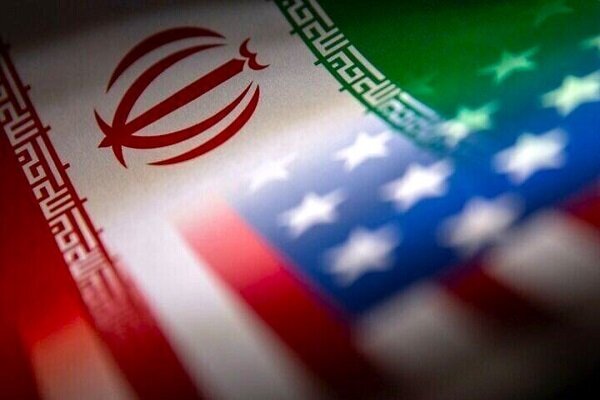
An informed source told Mehr that Tehran is still debating the draft text of a possible agreement and has not responded. The source said Iran wants real, tangible benefits and insists on verifiable implementation because of past U.S. broken promises.
Iran is looking at a draft deal like someone checking a contract very carefully before signing. It does not want to shake hands on promises that might be broken later, so it wants clear steps that can be checked.
Analysis
Iran is still reviewing the draft
An informed source close to the negotiating team told Mehr News Agency that Iran has not yet sent a reply on the draft text of a potential memorandum of understanding. According to the source, the final text is still being discussed in Tehran.
Mistrust remains central
The source said Iran is approaching the draft with "extreme rigour" because of its previous experience with what it views as U.S. broken promises. The core message is that Tehran wants "real and tangible benefits" rather than assurances on paper.
Reversibility and verification
The source stressed that Iran's position is built around reversibility and concrete, verifiable implementation steps. In practice, that means Iran wants measures that can be checked and, if necessary, undone, rather than a vague political understanding.
The article does not say what the draft deal covers, who drafted it, or when a reply might be sent. It does make clear, however, that Iran is not treating the draft as a finished agreement and is still weighing whether it can trust the other side to follow through.
The source also framed the standoff in terms of risk: "America is worried about the war; we are worried about the agreement," the source said, arguing that the U.S. has spent heavily on war without achieving results. That quote underscores the political tone of the piece, but the article itself remains limited to one side's account of the talks.
Key points
- Iran has not yet sent a reply on the draft text of a possible memorandum of understanding.
- An informed source said the final text is still being debated in Tehran.
- The source said Iran wants real, tangible benefits because of past U.S. broken promises.
- Tehran is said to be insisting on reversibility and verifiable implementation steps.
- The article gives only Iran-linked sourcing and does not specify the full contents of the draft deal.
If the review leads to a response, the article suggests any agreement would likely be built on concrete and verifiable steps. That could make the deal harder to dismiss later and easier to implement if both sides accept the safeguards.
The article also shows how deep mistrust remains, which could slow or block any reply. If Iran decides the draft does not offer real benefits or enough reversibility, the talks may stall further.