Iran-US MoU stopped Israeli aggression: Hezbollah chief
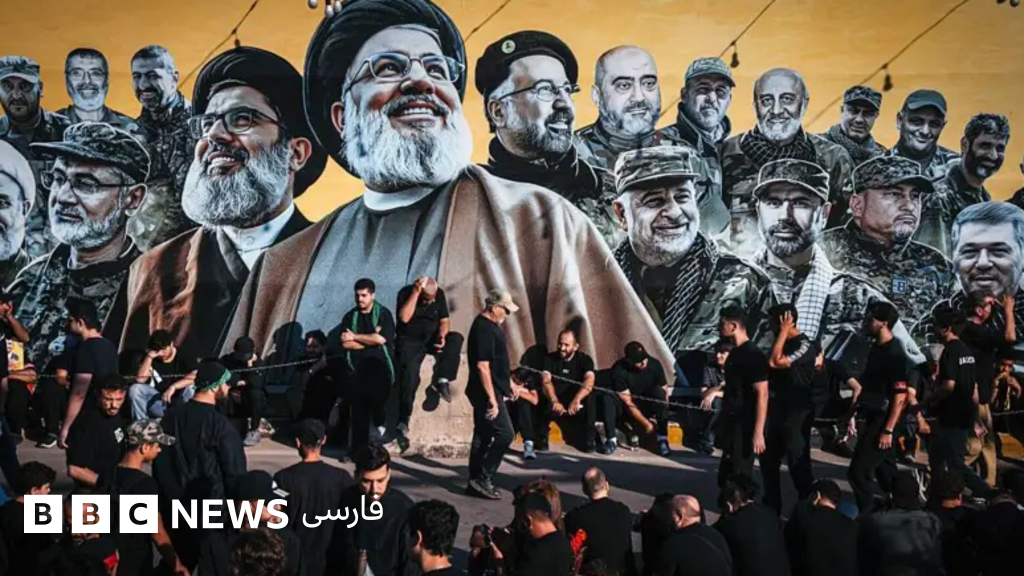
Hezbollah Secretary-General Naim Qassem condemned direct negotiations between Lebanon and Israel, asserting that only an Iran-U.S. truce MoU had halted Israeli aggression against Lebanon.
Intelligence analysis by Gemini 2.5 Flash

Qassem stated that direct talks with Israel bring only "shame and humiliation" for Lebanon, urging Lebanese officials to defy the United States and instead engage with the resistance. He credited a specific Iran-U.S. ceasefire agreement as the sole reason for stopping Israeli attacks.
Imagine two kids, Lebanon and Israel, are always arguing. Hezbollah's leader says that if Lebanon tries to talk directly to Israel, it's like giving away all your toys. He believes the only reason Israel stopped bothering Lebanon was because two bigger kids, Iran and the U.S., made a secret promise to each other to calm things down, not because Lebanon talked to Israel.
Analysis
Hezbollah's Stance on Lebanon-Israel Talks
Hezbollah Secretary-General Naim Qassem's strong condemnation of direct negotiations between Lebanon and Israel as leading to "shame, humiliation, despair and repeated concessions" underscores the group's unwavering ideological opposition to any form of normalization or direct engagement with the Israeli state. This rhetoric reinforces Hezbollah's identity as a resistance movement, positioning it as the protector of Lebanese sovereignty and dignity against what it perceives as Israeli aggression and American pressure. By urging Lebanese officials to defy the United States and open dialogue with the resistance, Qassem is not only challenging the legitimacy of the official government's diplomatic efforts but also asserting Hezbollah's significant influence and role in shaping Lebanon's foreign policy, particularly concerning its southern border.
The Alleged Iran-US Truce MoU
The central and most striking claim made by Qassem is that an Iran-U.S. ceasefire agreement was the "decisive factor" in halting Israeli aggression against Lebanon. This assertion, if accurate, suggests a direct, albeit likely unacknowledged, channel of communication and understanding between Tehran and Washington regarding regional security dynamics. Such a claim serves to elevate Iran's strategic importance and influence, portraying it as a key player whose direct intervention or agreement is necessary to de-escalate conflicts involving its allies. It also implicitly diminishes the efficacy of any direct Lebanese-Israeli negotiations, framing them as futile without the backing of a larger, external power dynamic involving Iran and the United States.
Regional Implications and Resistance
Qassem's praise for Iran's steadfastness and the popular support for its revolution, particularly after the mentioned "martyrdom of Ayatollah Khamenei," highlights the deep ideological and strategic alignment between Hezbollah and the Islamic Republic. This strong endorsement reinforces the narrative of the "Axis of Resistance" as a unified and resilient front against perceived adversaries. The assertion that the alliance between Hezbollah and the Amal movement forms an "impenetrable barrier" against the enemy further projects an image of unwavering resolve and regional dominance. This rhetoric aims to solidify their position against perceived threats from Israel and the United States, suggesting that future achievements will benefit the entire region under the guidance of this powerful alliance.
Key points
- Hezbollah Secretary-General Naim Qassem condemned direct Lebanon-Israel negotiations as humiliating and ineffective.
- Qassem asserted that an Iran-U.S. truce MoU was the sole reason for halting Israeli aggression against Lebanon.
- He urged Lebanese officials to defy the United States and engage in dialogue with the resistance.
- Qassem praised Iran's steadfastness and the strong alliance between Hezbollah and the Amal movement as a barrier against enemies.
Hezbollah's rejection of direct negotiations between Lebanon and Israel, coupled with its call for Lebanese officials to defy the US, suggests a continued stalemate in peace efforts. This stance could deepen internal political divisions within Lebanon and perpetuate regional instability, making any resolution to the conflict more challenging.