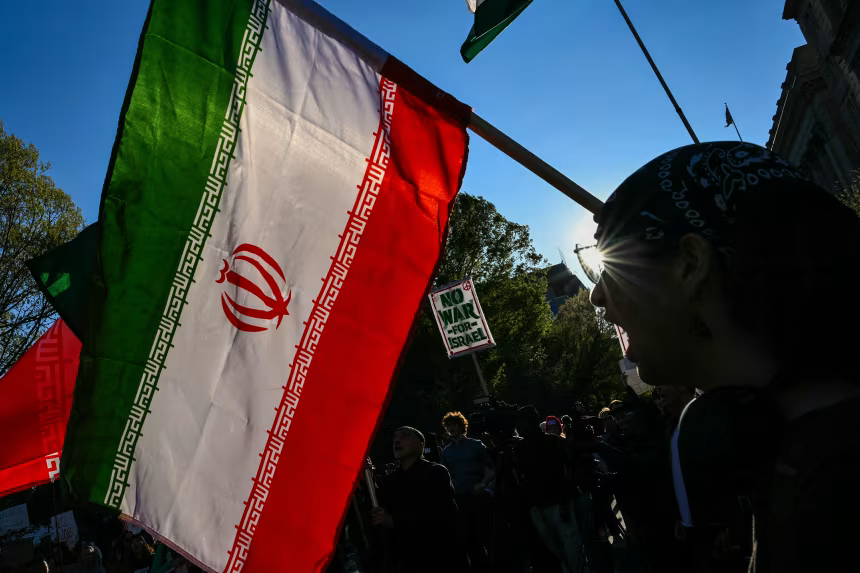
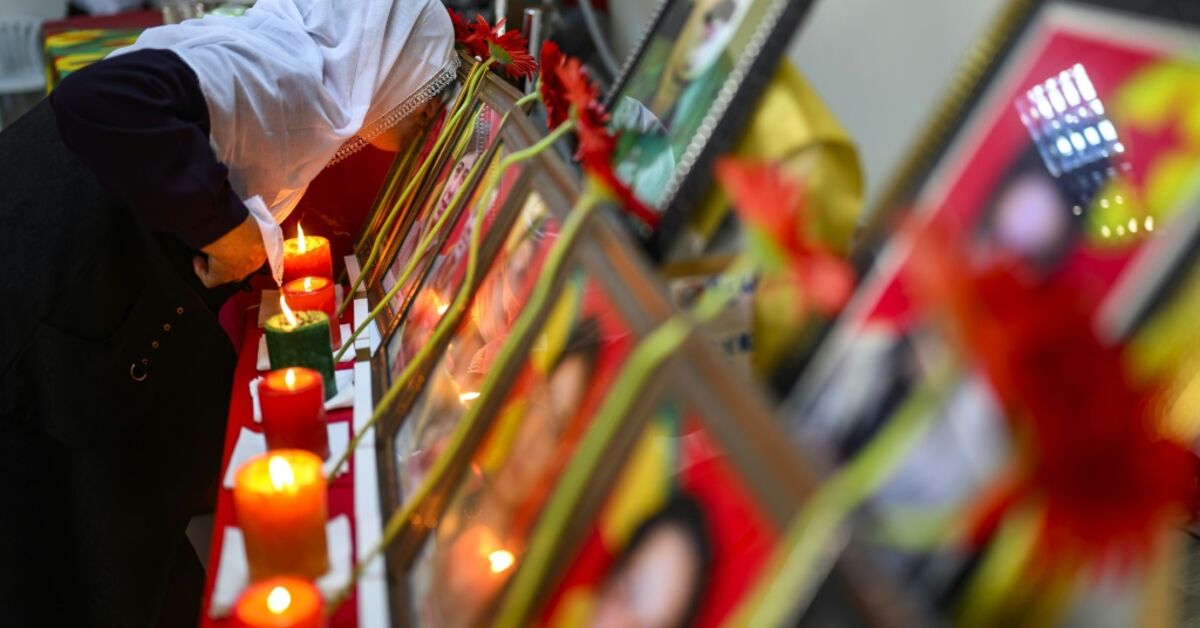
Iran, US trade fire in first exchange for a month
Iran attacked US military targets in the Middle East on Monday, retaliating for American strikes on Larak island in the Strait of Hormuz, marking the first exchange of fire in a month.
Intelligence analysis by Gemini 2.5 Flash
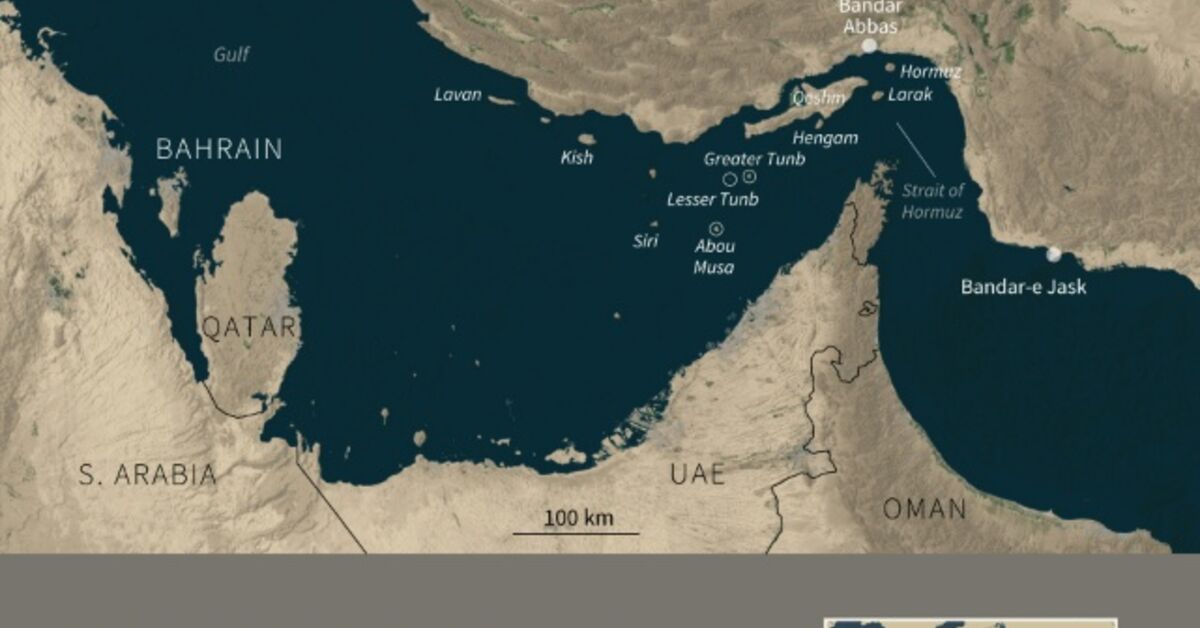
Six months into a regional conflict, the US and Iran remain at an impasse over the strategic Strait of Hormuz. Despite a recent US pivot to economic pressure, American strikes on Iranian rocket launchers prompted Tehran's Revolutionary Guards to retaliate with ballistic missile attacks on US air bases in Jordan, further escalating tensions.
Imagine two big kids, the US and Iran, are arguing over a very important shortcut, the Strait of Hormuz, which is like a busy road for oil trucks. After being quiet for a month, one kid (US) hit the other's (Iran's) stuff, saying they were trying to block the road. Then the other kid (Iran) hit back at the first kid's friends' houses. This makes everyone worried because it could make their fight bigger and make things like gas more expensive for everyone.
Analysis
The recent exchange of fire between the United States and Iran represents a significant setback for regional stability, occurring after a month of relative calm and despite ongoing diplomatic efforts. The conflict, now six months old, continues to revolve around the critical Strait of Hormuz, a choke point for global oil shipments. Both sides have demonstrated an unwillingness to yield, with Iran maintaining its closure of the strait and the US persisting with a naval counter-blockade.
Strait of Hormuz
The Strait of Hormuz remains the central flashpoint in the ongoing US-Iran conflict, underscoring its immense strategic importance. Iran has maintained a blockade of commercial shipping through the strait since the war began, severely impacting global trade and energy markets. This action directly challenges international maritime law and has been a primary driver of the US military presence in the region.
In response to perceived threats, the United States recently conducted strikes on Larak island, targeting Iranian rocket launchers. Washington justified these actions by stating they were necessary to prevent Tehran from planting mines in the strategic shipping lane. US Central Command asserted that these were "limited, precise action[s] against IRGC minelaying forces posing an imminent threat," reinforcing the American commitment to ensuring the free flow of commerce through the waterway, which it claims to have "total control" over.
Economic Warfare
The Trump administration had recently signaled a strategic shift towards "economic warfare" as its primary tool against Iran, moving away from direct military engagement. This policy involves a comprehensive naval blockade of Iranian ports, which has severely impacted petrol supplies within Iran amidst domestic production shortfalls. The US Treasury has simultaneously expanded sanctions, aiming to exert maximum pressure on the Iranian economy.
Despite these economic measures, the recent military exchange highlights the limitations of a purely economic approach when core strategic interests are perceived to be under threat. The global repercussions of this economic warfare are evident, with the closure of Hormuz leading to significant price hikes and shortages of essential commodities like fertilizer and energy worldwide. The article notes that both main crude oil contracts rose at least two percent following the latest hostilities, directly linking the conflict to global market instability.
Masoud Pezeshkian
Iranian President Masoud Pezeshkian has maintained a defiant stance in the face of escalating US pressure, reiterating Iran's position on the conflict. On Monday, he stated that while Iran is "not seeking war," it will "deliver a decisive response to the aggressors," according to state TV. This rhetoric underscores the Iranian leadership's resolve to retaliate against perceived American aggression and protect its national interests.
Tehran's Revolutionary Guards, the ideological backbone of its military, explicitly justified their strikes on US bases in Jordan as a "response to the US-Zionist aerial aggression." The Iranian foreign ministry further condemned the US attacks on Larak island, framing their retaliatory actions as acts of "legitimate defence." These statements collectively signal that Iran views the US actions as provocative and will continue to respond militarily, complicating any path towards de-escalation or a lasting peace agreement.
Key points
- Iran attacked US military targets in retaliation for American strikes on Larak island in the Strait of Hormuz.
- This marks the first exchange of fire in a month in the six-month-long conflict between the US and Iran.
- Iran's Revolutionary Guards claimed strikes on US air bases in Jordan, while the US confirmed limited action against IRGC minelaying forces.
- The conflict centers on control of the Strait of Hormuz, a vital global oil shipping lane, which Iran has kept shut.
- Diplomatic efforts have failed to secure a lasting peace, with the US now prioritizing "economic warfare" against Tehran.
Despite the recent exchange of fire, the article notes that diplomatic efforts, spearheaded by mediators like Pakistan and Qatar, have been ongoing for months, and a ceasefire was agreed upon in April. This suggests that channels for de-escalation and negotiation still exist, potentially leading to a renewed push for a final peace agreement.
The renewed hostilities, occurring after a period of relative calm and despite previous diplomatic efforts, indicate a high risk of further escalation. The continued impasse over the Strait of Hormuz and the US's declared "economic warfare" could lead to a prolonged conflict, increased regional instability, and sustained disruption to global energy markets.
Market signals
- OIL Both main crude oil contracts rose at least two percent on Monday following the renewed exchange of fire, indicating market concern over supply routes.
AI-generated analysis of potential market relevance. Not financial advice.