Iran wants SCO to take firm stance against US-Israel attacks
Iran’s interior minister urged the SCO to condemn U.S.-Israeli attacks on Iran and back member-state sovereignty. He linked security to investment, stability, and development.
Intelligence analysis by GPT-5.4 Mini

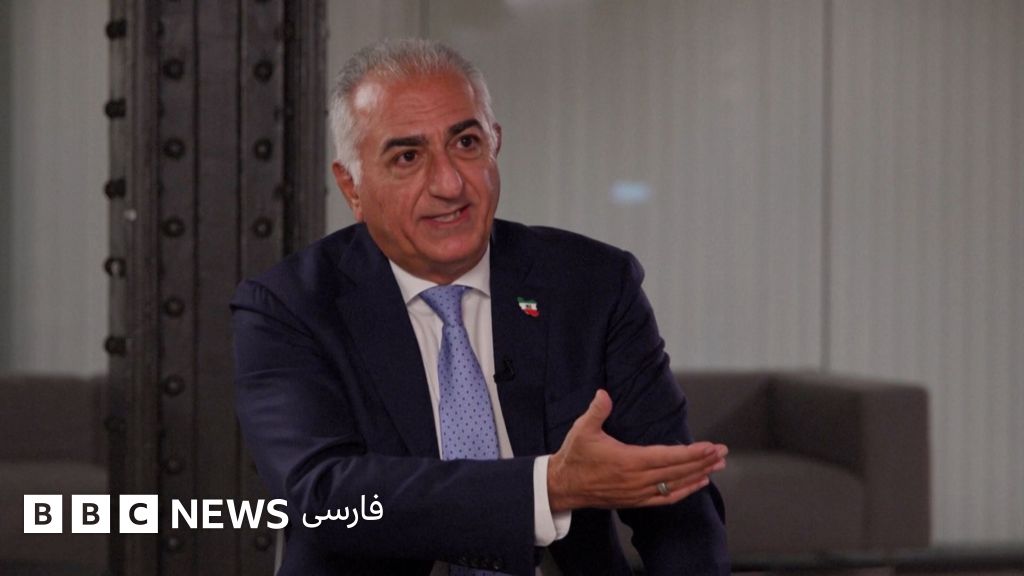
Speaking in Bishkek, Eskandar Mo’meni said the SCO should clearly oppose attacks on Iran and defend members’ sovereignty. He argued that security, multilateralism, and respect for international law are essential to regional stability and development.
Iran is asking a big group of nearby countries to stand up for it and say attacks on member countries are not okay. The minister says safety is like the ground under a house: without it, nothing else like business or building can stay strong.
Analysis
What Mo’meni asked for
Iran’s interior minister, Eskandar Mo’meni, used a security meeting of Shanghai Cooperation Organization members in Bishkek to argue that the group should take a clear position against the attacks Iran blames on the United States and Israel. His message was that the SCO, especially as it marks its 25th anniversary, should show that it will defend the sovereignty and territorial integrity of its members.
The broader argument
Mo’meni described the current international environment as unstable and unpredictable, and said no country can handle rising security threats alone. He presented multilateralism and a multipolar order as central to the SCO’s long-term purpose, while also stressing that security is the basis for economic progress and sustained investment.
He said Iran’s preferred model is regional security built by the countries of the region themselves, under international law and the U.N. Charter, with respect for state sovereignty. He also criticized unilateral sanctions and double standards, arguing that they weaken trust and make instability worse.
Iran’s security framing
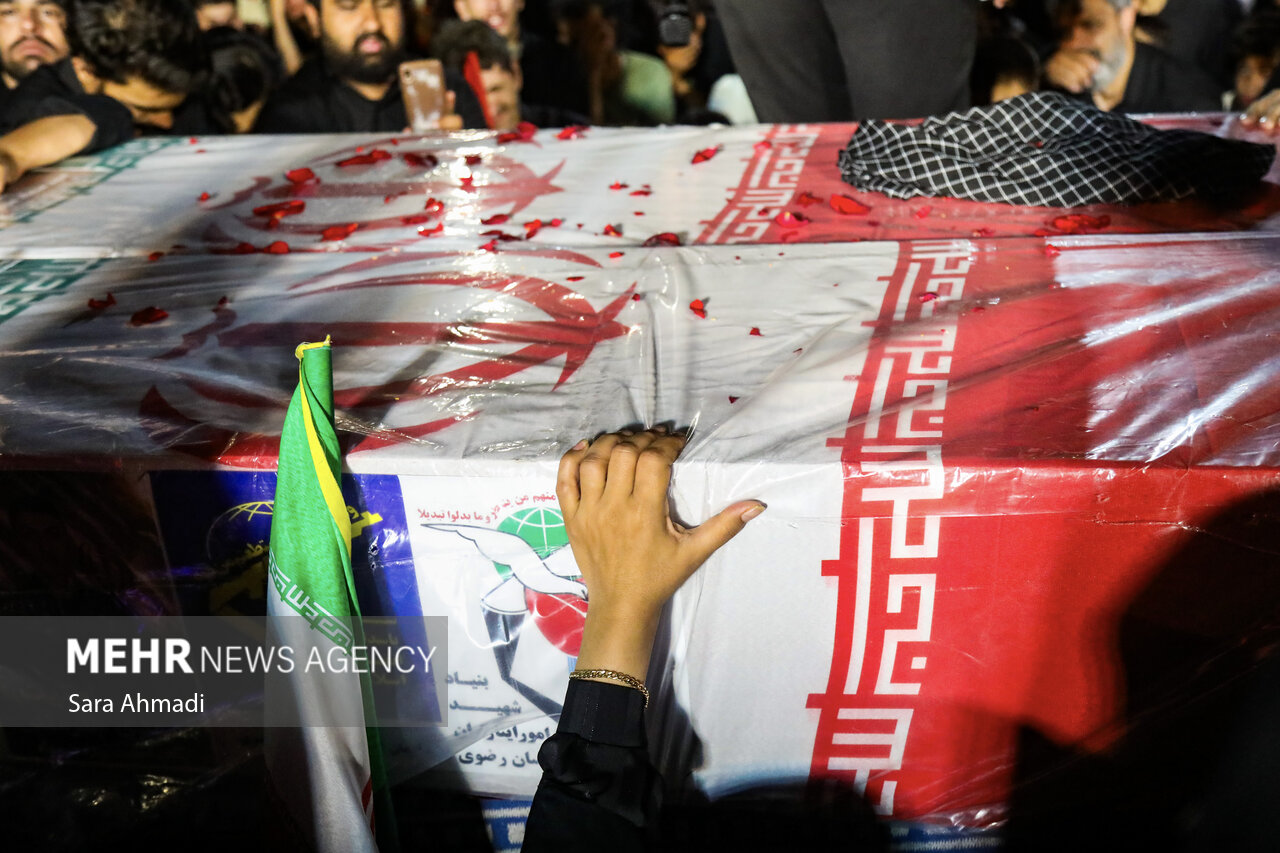
The article says Mo’meni pointed to recent U.S.-Israeli military aggression against Iran and claimed it caused damage to civilian infrastructure, including hospitals, schools, homes, power facilities, and historical sites, while killing civilians. He also portrayed terrorism, extremism, and separatism as linked threats that can spread insecurity across the region.
The central takeaway is that Tehran wants the SCO to move beyond general talk and issue a harder political response to attacks on one of its members. The speech ties together Iran’s security complaints, its criticism of sanctions, and its push for stronger regional cooperation.
Key points
- Iran’s interior minister urged the SCO to take a firm stance against U.S.-Israeli attacks on Iran.
- Mo’meni said the organization should defend the sovereignty and territorial integrity of its members.
- He argued that security is a prerequisite for investment, development, and regional stability.
- He criticized unilateral sanctions and double standards as drivers of mistrust and instability.
- He said terrorism, extremism, and separatism are interconnected threats that the region must confront together.
If the SCO responds more firmly, Iran could gain stronger political backing on sovereignty and security questions. That could also help Tehran argue for more regional cooperation against terrorism and instability.
If the SCO avoids taking a clear position, Iran’s call may end up as rhetoric with little practical effect. The article also suggests that continued sanctions, distrust, and external attacks could keep the region unstable.