Iran war leaves Islamic republic intact and opponents divided
The Iran war failed to dislodge the clerical leadership, leaving opponents divided and facing repression. The US-Iran deal to end the war has been met with a sense of betrayal by Iranians and opposition leaders.
Intelligence analysis by Llama 3.3 70B
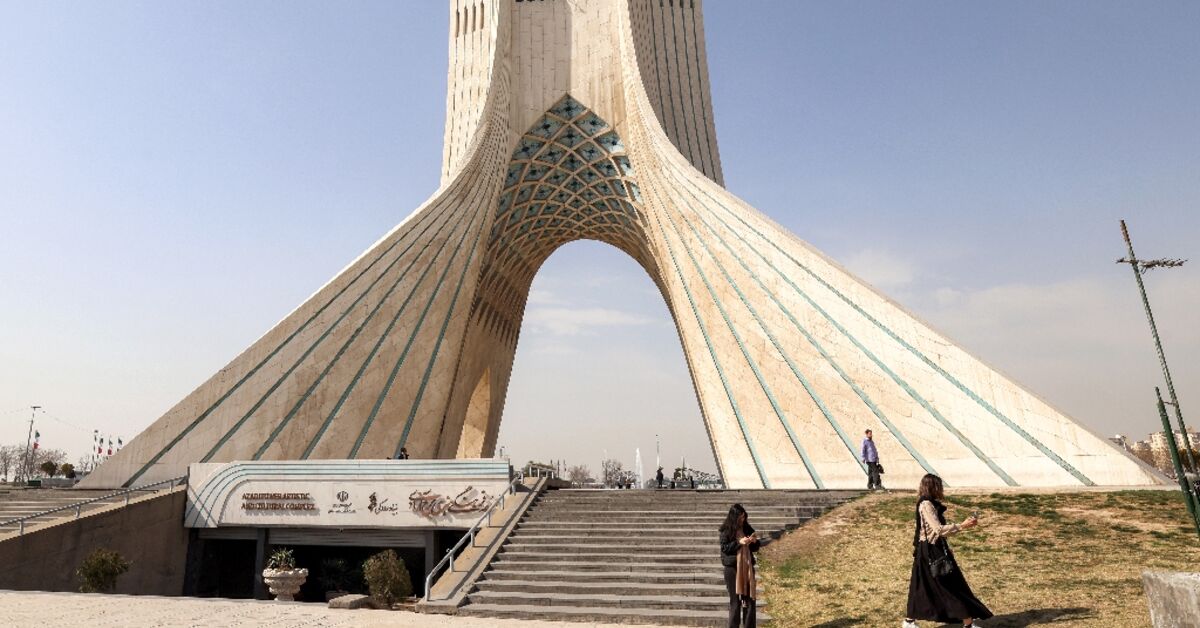
The Iran war was expected to pave the way for Iranians to rise up against the Islamic republic, but it has instead left the clerical leadership intact and opponents more divided than ever.
Imagine you're living in a country where the government is very strict and doesn't let people protest or speak out against it. Some people outside the country want to help the people inside the country be free, but they can't agree on how to do it. Meanwhile, the government is getting stronger and hurting more people. That's what's happening in Iran right now.
Analysis
The War's Unfulfilled Promise
The Iran war was cast as a catalyst for the Islamic republic's collapse, but months of fighting failed to dislodge the clerical leadership. The US and Israel had hoped that the war would pave the way for Iranians to rise up against the government, but this has not materialized. Instead, the opposition movements outside Iran have become more divided, and dissidents inside the country are facing a new wave of repression.
The war was launched by US President Donald Trump on February 28, with the goal of ending Iran's nuclear program and supporting anti-government protests. However, the war has had the opposite effect, with the Islamic republic emerging intact and the opposition more fragmented than ever. The US-Iran deal to end the war has been met with a sense of betrayal by Iranians and opposition leaders, who feel that the agreement ignores the risks to those opposing the Islamic republic.
The Opposition's Failure to Unite
The opposition movements outside Iran have failed to unite and position themselves as successors to the ruling system. Reza Pahlavi, the exiled son of the last shah, has failed to emerge as a unifying figure, and prominent dissidents inside Iran, including Nobel laureate Narges Mohammadi, are still under pressure from the authorities. The opposition groups have been unable to build a coalition, with different factions organizing their own solidarity rallies abroad.
The lack of unity among the opposition has been exacerbated by the war, with some groups calling for continued resistance against the Islamic republic, while others have welcomed the US-Iran deal as a step towards ending the suffering of the Iranian people. The deal's reception from prominent opposition figures has been chilly, with Pahlavi warning that negotiating with the Islamic republic after the protest crackdown is morally wrong and strategically misguided.
The Human Cost of the War
The war has had a devastating human cost, with thousands of people killed and many more arrested and imprisoned. The protests that preceded the war were sparked by severe economic pains and ended in a violent crackdown, with rights groups saying that thousands of people were killed. The war has also led to a surge in executions, with over 40 people executed since the war started, and many more at risk of further atrocity crimes by the Iranian authorities.
The US-Iran deal has been criticized for ignoring the risks to Iranians opposing the Islamic republic. Amnesty International's Agnes Callamard has warned that protesters, dissidents, and others advocating for fundamental political change remain at grave risk of further atrocity crimes by the Iranian authorities. The deal's failure to address the human rights situation in Iran has been met with disappointment and outrage from rights groups and opposition leaders.
Key points
- The Iran war failed to dislodge the clerical leadership
- The opposition movements outside Iran are more divided than ever
- The US-Iran deal has been met with a sense of betrayal by Iranians and opposition leaders
- The war has had a devastating human cost, with thousands of people killed and many more arrested and imprisoned
The US-Iran deal could potentially lead to a reduction in violence and suffering for the Iranian people, and may create an opportunity for diplomatic efforts to address the human rights situation in Iran. However, this outcome is far from certain, and the deal's failure to address the risks to Iranians opposing the Islamic republic has been widely criticized.
The deal may embolden the Islamic republic to continue its repression of dissidents and opposition groups, leading to further human rights abuses and a worsening of the situation for Iranians. The failure of the opposition to unite and the lack of international pressure on the Islamic republic may also contribute to a decline in prospects for democratic change in Iran.