Iran Warns Gulf Countries Against Helping US After UAE Cuts Trade Ties
Iran's armed forces warned Gulf countries against assisting the US military on Wednesday, hours after the United Arab Emirates announced it was severing economic ties with Tehran following new attacks on shipping.
Intelligence analysis by Llama
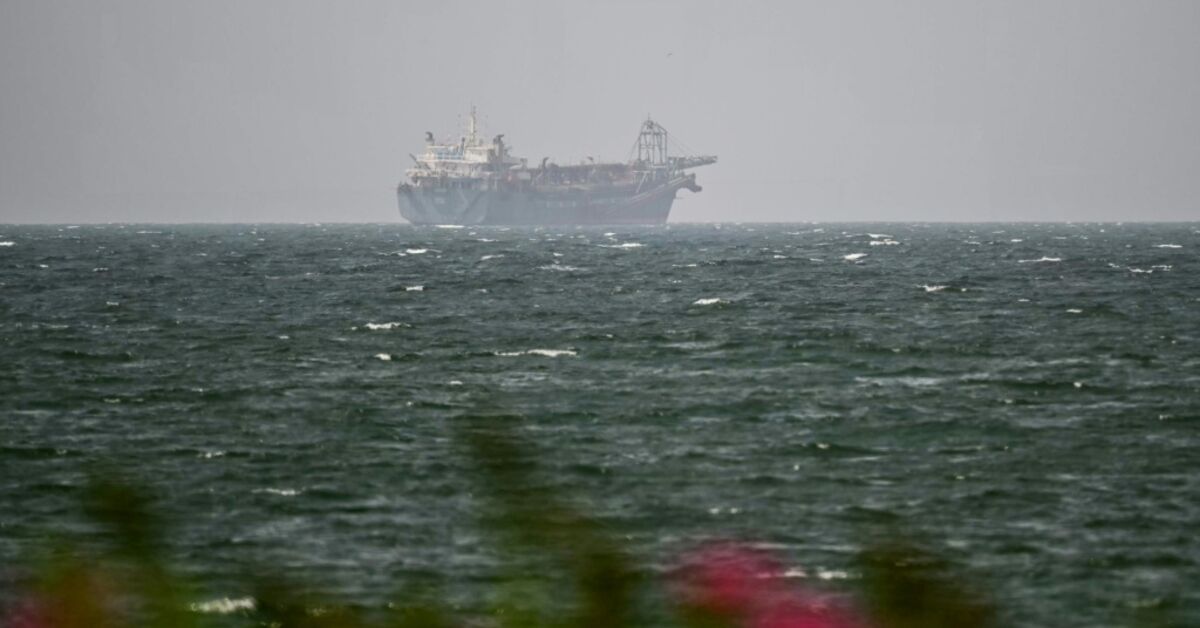
Iran's armed forces chief of staff Ali Abdollahi warned Gulf countries against assisting the US military, hours after the UAE announced it was severing economic ties with Tehran following new attacks on shipping.
Imagine the Strait of Hormuz is a busy highway. Iran has blocked the highway, and the US is trying to get through. Iran is warning other countries not to help the US get through the highway.
Analysis
Iran's Warning to Gulf Countries
Iran's armed forces chief of staff Ali Abdollahi warned Gulf countries against assisting the US military on Wednesday, hours after the United Arab Emirates announced it was severing economic ties with Tehran following new attacks on shipping. The warning comes as tensions between the US and Iran remain high, with the Strait of Hormuz remaining a flashpoint and attacks on commercial ships continuing.
The conflict broke out on February 28 with US-Israeli attacks on the Islamic republic, which retaliated with missile and drone strikes across the region. Since the start of the war, many Middle Eastern countries have said they would not allow the United States to use their territory as a launchpad for attacks, though Abdollahi cast doubt on those promises.
The UAE's Decision to Cut Ties
The UAE announced on Tuesday that it was suspending all economic dealings with Iran. "In light of regional escalations... all trade, commercial exchanges, and financial transactions with Iran have been halted until further notice," foreign ministry communications director Afra Al Hameli said. The UAE recalled its ambassador to Tehran early in the conflict and has shut Iran-linked schools and a hospital.
Diplomatic Efforts Stall
Diplomatic efforts to settle the conflict have stalled, but Trump's envoy and son-in-law Jared Kushner had said on Monday that the United States and Iran were having "very positive and active conversations". The president, however, denied that was the case on Tuesday, again insisting that the Strait of Hormuz was open, despite the Iranian blockade having throttled traffic for months.
Key points
- Iran's armed forces warned Gulf countries against assisting the US military
- The UAE announced it was severing economic ties with Iran following new attacks on shipping
- Diplomatic efforts to settle the conflict have stalled
- The Strait of Hormuz remains a flashpoint, with attacks on commercial ships continuing
If the US and Iran can find a way to resolve their differences, the conflict could be brought to an end, and the Strait of Hormuz could be reopened, allowing for the free flow of oil and gas shipments.
If the conflict continues, it could lead to further escalation, with more attacks on commercial ships and potentially even more severe consequences for the region.