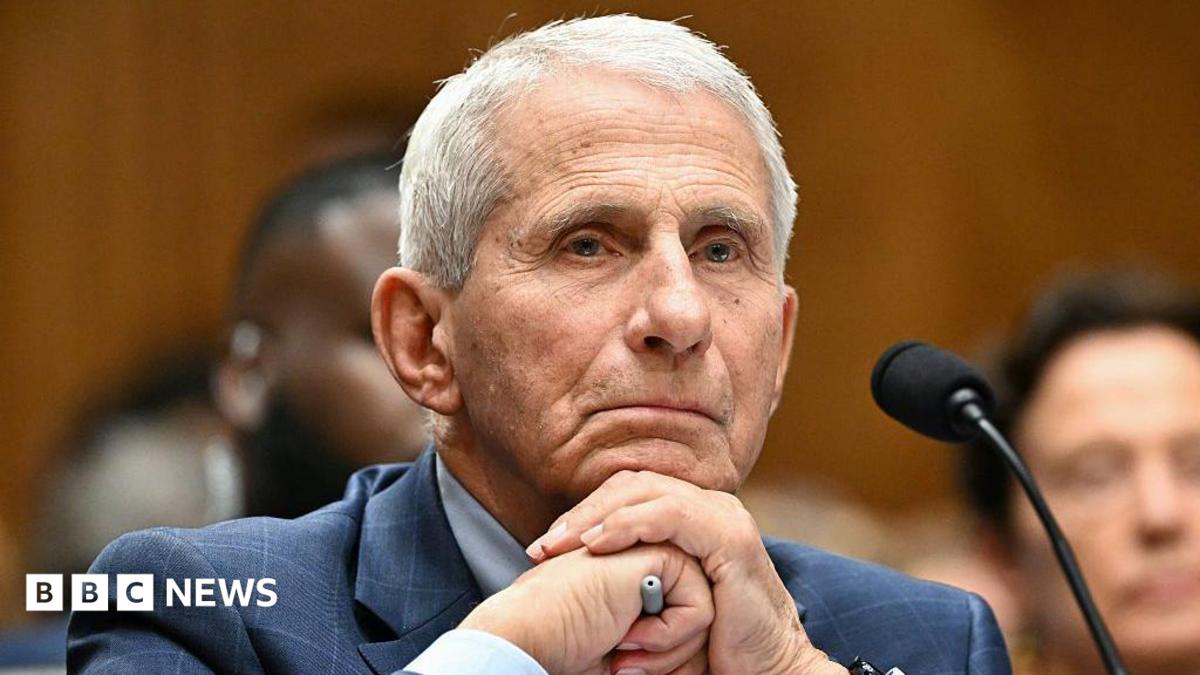
Iran warns Israeli attacks in Lebanon threaten ceasefire with US
Iran says Israeli strikes in Lebanon could jeopardize its ceasefire talks with the US, while Trump says Hezbollah and Israel agreed to stop shooting.
Intelligence analysis by GPT-5.4 Mini
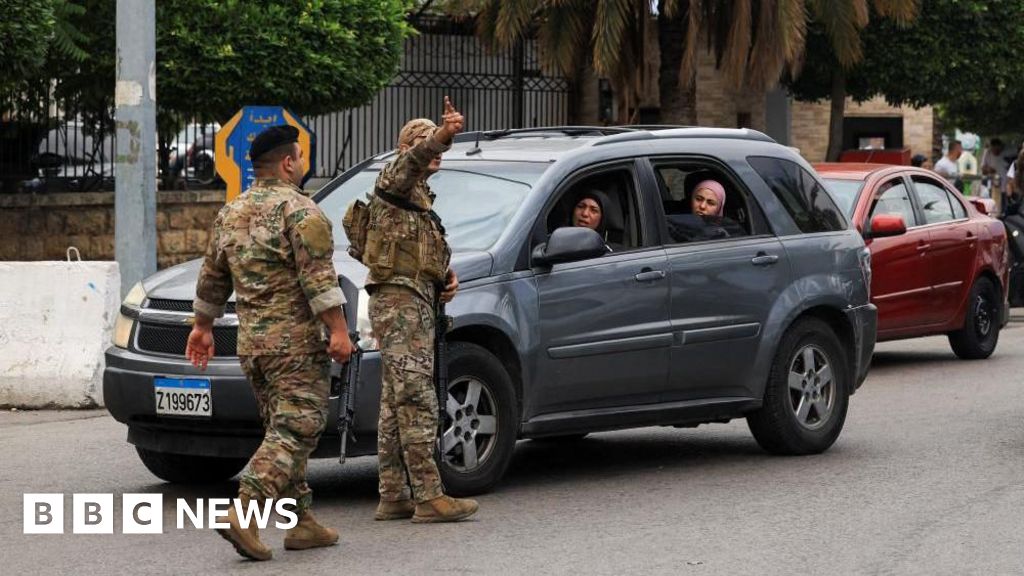
Tehran says attacks on Hezbollah in Lebanon could undermine the US-Iran ceasefire framework, even as Trump and Israeli and Lebanese officials describe talks on a reciprocal halt to attacks. The dispute is tied to wider regional fighting and has already spilled into oil markets.
Iran and Israel are arguing about attacks in Lebanon. Iran says if Israel keeps striking Hezbollah there, it could ruin talks with the US.
Think of it like a school truce. If one side keeps throwing paper balls in one hallway, the other side may say the whole peace deal is broken, not just that hallway.
The story matters because the fighting is not only about one place. It can affect nearby countries, oil prices, and whether bigger war talks move forward or fall apart.
Analysis
What happened
Iran warned that Israeli strikes on Hezbollah in Lebanon could threaten the ceasefire arrangement it says it has with the US. Foreign Minister Abbas Araghchi said the deal was a ceasefire on all fronts, including Lebanon, and argued that breaking it in one place breaks it everywhere.
The warning came after Benjamin Netanyahu ordered strikes on Beirut's southern suburbs in response to rocket and drone attacks that Israel blamed on Hezbollah. Trump then posted that talks with Iran were continuing quickly and said he had spoken with both Netanyahu and Hezbollah representatives, claiming they had agreed to stop shooting.
Netanyahu later confirmed he had spoken with Trump and said Israel would hit "terrorist targets" in Beirut if Hezbollah kept attacking Israeli cities and civilians. At the same time, the Lebanese president's office said it had received confirmation that Hezbollah accepted a US proposal for mutual cessation of attacks.
Bigger picture
The article shows several overlapping channels of diplomacy and war: US-Iran talks, Israel-Hezbollah fighting, and pressure on Lebanon to keep the conflict from widening. The US has tried to separate the Lebanon fighting from its talks with Iran, but Tehran says Lebanon cannot be treated as separate.
The article also says tensions in the Strait of Hormuz helped push oil prices higher. Brent crude rose sharply on Monday, underscoring how military moves in the region can quickly affect global energy costs.
Key points
- Iran says attacks on Hezbollah in Lebanon could undermine its ceasefire arrangement with the US.
- Netanyahu ordered strikes on Beirut's southern suburbs after rocket and drone attacks blamed on Hezbollah.
- Trump said he spoke with Netanyahu and Hezbollah representatives and claimed both sides agreed to stop shooting.
- The Lebanese president's office said it received confirmation that Hezbollah accepted a US proposal for reciprocal restraint.
- Oil prices rose after the latest regional tensions, showing the conflict's wider economic impact.
If the reported mutual halt to attacks holds, strikes on Beirut's southern suburbs could stop and the pressure for wider fighting could ease. The US and Iran could also keep indirect talks going instead of letting Lebanon derail them.
If Israel keeps striking Beirut or Hezbollah keeps firing, Iran has said it could treat the ceasefire as violated on all fronts and suspend talks with the US. The article also suggests spillover risks beyond Lebanon, including more pressure on the Strait of Hormuz and oil prices.