Iran warns of escalation in Hormuz standoff, vows retaliation against any new US-led attack
Iran has issued stern warnings that any renewed US military action or interference in the Strait of Hormuz will trigger broader retaliation, signaling Tehran's readiness to escalate tensions.
Intelligence analysis by Gemini 2.5 Flash
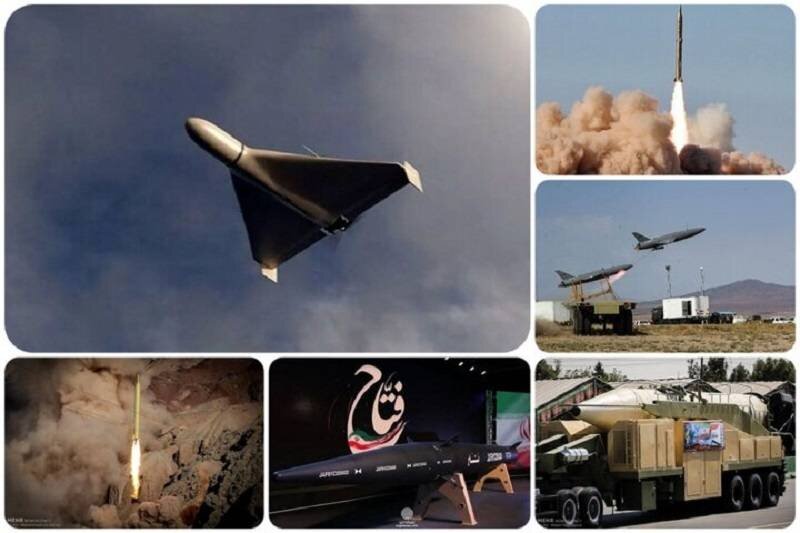
Senior Iranian officials, including from the Supreme National Security Council and military commanders, have delivered a coordinated message asserting Iran's intent to maintain a strong posture following recent conflicts. They accuse the US of 'warmongering' and illegal interference, threatening global economic and energy disruptions if Washington's actions continue in the strategic w…
Imagine two kids arguing over a shared path to the playground. One kid, Iran, says it's their path and the other kid, America, shouldn't keep trying to tell everyone how to use it. Iran is saying if America keeps pushing, they might make it harder for everyone to use the path, which could cause problems for people trying to get their snacks (oil) to market, and they're ready to fight back if attacked.
Analysis
Tehran's Coordinated Deterrence
Iranian political, military, and security officials have issued a unified series of warnings, signaling a coordinated effort to reinforce deterrence against perceived US aggression in the Strait of Hormuz. Statements from the Supreme National Security Council (SNSC), senior military commanders, and advisors to the Leader of the Islamic Revolution underscore Tehran's resolve to maintain a solid posture. This comes in the wake of a recent conflict involving the United States and Israel, which was reportedly concluded by a memorandum of understanding allowing fee-free transit through a designated shipping corridor for 60 days.
SNSC Secretary Mohammad Baqer Zolqadr accused Washington of attempting to escort vessels through 'unauthorized routes,' prompting Iran to block these passages. He explicitly linked continued US 'warmongering' to potential disruptions in global energy supplies, warning that the 'global economy, energy markets and American voters will pay the price.' This suggests Iran is prepared to leverage its strategic geographical position to exert economic pressure.
The Strait of Hormuz as a Regional Chokepoint
Iran firmly asserts that the Strait of Hormuz is a regional waterway, rejecting any US attempts to influence its management. Major General Mohsen Rezaei, a senior advisor, emphasized that the strait lies within the territorial waters of Iran and Oman, arguing that no country, including European states, supports unilateral American involvement. This stance highlights Iran's view of the Strait as a matter of national sovereignty and regional control, rather than an international passage subject to external military oversight.
Zolqadr's warnings extended beyond the Strait of Hormuz, hinting at potential disruptions at 'other international maritime chokepoints,' which analysts suggest could include the Bab al-Mandab Strait. This broader threat indicates Iran's capacity and willingness to expand the scope of any potential conflict, aiming to create a more cautious stance from the United States and European countries by threatening wider global trade routes.
Escalation Risks and Retaliatory Threats
Iranian military commanders have explicitly warned of severe regional repercussions should Washington pursue further military escalation. Major General Ali Abdollahi accused the US of seeking regional domination and using allied countries as 'protective shields,' urging Muslim governments to reconsider cooperation with Washington. He cautioned that any country facilitating US operations would 'face the consequences of war,' directly implicating regional partners in potential conflict.
Brigadier General Mohammad Jafar Asadi, a former Deputy Inspector, affirmed Iran's armed forces are fully prepared to respond decisively to any hostile action, dismissing reports of potential US and Israeli attacks on Iranian infrastructure as 'madness.' A senior security official, speaking anonymously, revealed an extensive contingency plan targeting Israeli critical infrastructure and US energy facilities across the region in the event of a new military strike. These statements collectively underscore Iran's readiness for a forceful and widespread retaliatory response, aiming to deter any further military action against its interests.
Key points
- Iran warns of broader retaliation if the US continues military action or interference in the Strait of Hormuz.
- Iranian officials accuse the US of 'warmongering' and attempting to use 'unauthorized routes' in the strategic waterway.
- Tehran threatens to disrupt global energy supplies and other international maritime chokepoints, such as Bab al-Mandab.
- Iran views the Strait of Hormuz as regional waters, rejecting unilateral US influence.
- Iranian military commanders have prepared contingency plans to target Israeli infrastructure and US energy facilities in the region if attacked.
The explicit warnings from Iran could potentially lead to increased caution from the United States and European countries, preventing further military escalation in the Strait of Hormuz. If the existing memorandum of understanding is respected and dialogue continues, it might pave the way for de-escalation and a more stable, albeit tense, regional environment.
Continued US military presence and perceived interference could provoke Iran into fulfilling its threats, leading to a closure or disruption of the Strait of Hormuz and potentially other maritime chokepoints. This would severely impact global energy supplies, trigger a broader regional conflict involving US and Israeli assets, and destabilize the global economy.
Market signals
- OIL Threats to disrupt the Strait of Hormuz and other maritime chokepoints directly impact global oil supply routes, driving prices higher due to increased geopolitical risk.
AI-generated analysis of potential market relevance. Not financial advice.