Iran Warns Ships of Fines, Detention Over Hormuz Violations
Iran's Persian Gulf Strait Authority has warned vessels using the Strait of Hormuz that they could face fines, detention, or confiscation if they violate Iranian rules. The warning comes amid increased tensions around the Strait of Hormuz, a major route for global energy …
Intelligence analysis by Llama
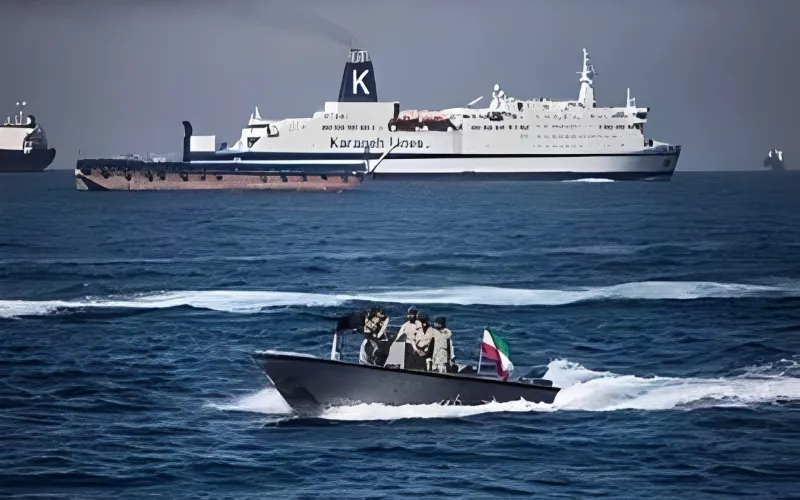
Iran has warned ships of fines, detention, or confiscation if they violate Iranian rules in the Strait of Hormuz. The warning comes amid increased tensions around the waterway, a major route for global energy shipments.
Iran is warning ships that if they don't follow their rules, they could get in trouble. This is happening because of tensions between Iran and the US, which could affect the global economy.
Analysis
Iran's Warning to Ships: A Sign of Increased Tensions
Iran's Persian Gulf Strait Authority (PGSA) has issued a warning to vessels using the Strait of Hormuz that they could face fines, detention, or confiscation if they violate Iranian rules. This warning comes amid increased tensions around the Strait of Hormuz, a major route for global energy shipments.
The PGSA has advised cargo owners shipping to and from the Persian Gulf to check its non-compliant vessels (NCV) list before chartering ships. The authority has also warned that vessels working with ships already on the NCV list could be added to the list immediately. This includes vessels involved in ship-to-ship (STS) transfers or transshipment operations.
The warning has significant implications for global energy shipments. The Strait of Hormuz is a critical waterway for oil exports, and any disruption to shipping traffic could have far-reaching consequences for the global economy.
US Pressure on Iran: A Boomerang Effect?
Iran's Parliament Speaker Mohammad Bagher Ghalibaf has warned President Donald Trump that efforts to isolate Iran's economy could hurt American taxpayers and businesses. Ghalibaf criticized Trump's planned economic measures and said pressure on Iran and disruptions in energy markets could also affect the United States.
Ghalibaf's remarks followed Trump's announcement of what he called the 'most crushing' economic operation against Iran and his call for allies to join efforts to isolate the Iranian economy. Trump's plan aims to reduce Iran's oil exports to zero, which could have significant consequences for the global economy.
Implications for the Global Economy
The warning from Iran's PGSA and the US pressure on Iran's economy have significant implications for the global economy. The Strait of Hormuz is a critical waterway for oil exports, and any disruption to shipping traffic could have far-reaching consequences for the global economy.
The US pressure on Iran's economy could also have a boomerang effect, hurting American taxpayers and businesses. Ghalibaf's warning highlights the potential consequences of Trump's economic measures and the need for a more nuanced approach to dealing with Iran.
Key points
- Iran's PGSA has warned vessels using the Strait of Hormuz that they could face fines, detention, or confiscation if they violate Iranian rules.
- The warning comes amid increased tensions around the Strait of Hormuz, a major route for global energy shipments.
- Iran's Parliament Speaker Mohammad Bagher Ghalibaf has warned President Donald Trump that efforts to isolate Iran's economy could hurt American taxpayers and businesses.
- The US pressure on Iran's economy could have a boomerang effect, hurting American taxpayers and businesses.
If the situation is resolved peacefully, it could lead to increased trade and economic cooperation between Iran and the US, benefiting both countries and the global economy.
If the situation escalates, it could lead to a disruption in global energy shipments, causing economic instability and potentially harming American taxpayers and businesses.