Iran warns Ukraine of retaliation after deadly Caspian Sea strike
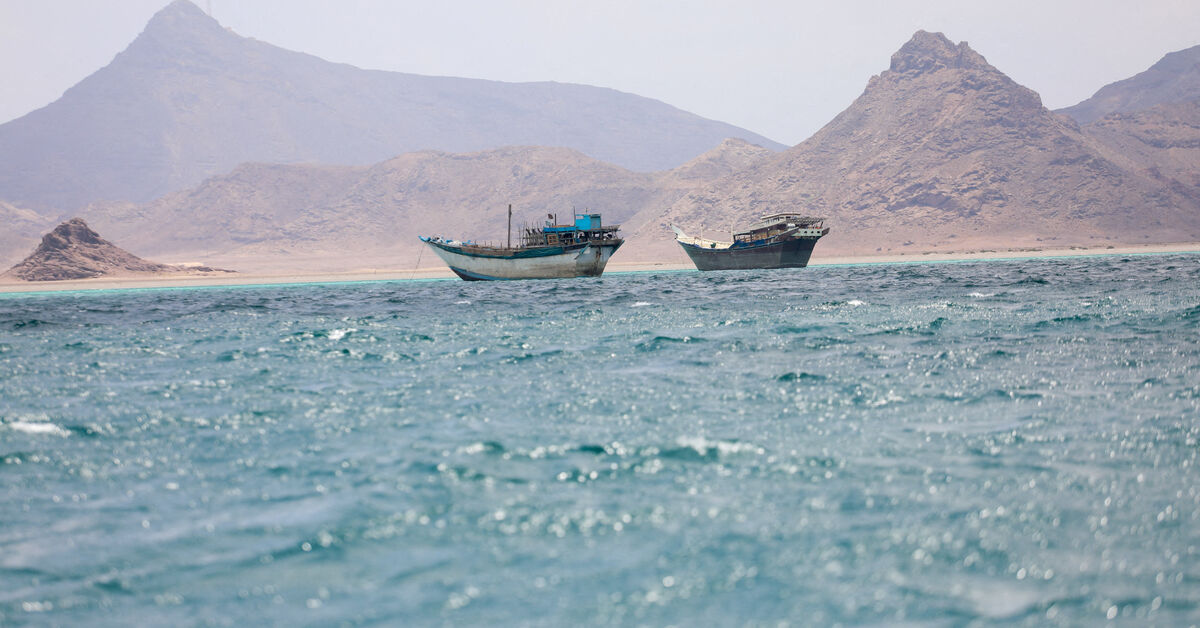
Iran has warned Ukraine of retaliation after a deadly attack on an Iranian commercial vessel in the Caspian Sea, which Tehran called a violation of the UN Charter and a "hostile and criminal act." Ukraine claims it targeted a Russian warship and vessels transporting Irani…
Intelligence analysis by Gemini 2.5 Flash

Iran's Foreign Minister Abbas Araghchi and a senior lawmaker have issued strong warnings to Ukraine following a strike on an Iranian commercial ship in the Caspian Sea that killed one sailor. Tehran accuses Ukraine of a "miscalculated" attack, potentially provoked by Israel, while Ukraine asserts it targeted Russian military assets and vessels involved in Iranian military cargo shipme…
Imagine two big countries, Russia and Ukraine, are fighting. Iran says Ukraine attacked one of its regular ships in a big lake called the Caspian Sea, killing a sailor. Iran is very angry and says it will hit back. Ukraine says it was actually aiming at Russia's fighting ships and boats carrying war stuff for Iran. It's like a misunderstanding that could make things even more tense.
Analysis
Escalation in the Caspian Sea
The recent strike on an Iranian commercial vessel in the Caspian Sea marks a significant escalation in the ongoing geopolitical tensions involving Iran, Ukraine, and Russia. Iran's Foreign Minister Abbas Araghchi swiftly condemned the attack, labeling it a "hostile and criminal act" and a clear violation of the United Nations Charter. The incident, which reportedly caused the vessel to explode and resulted in the death of one sailor and injuries to several others, has prompted Tehran to summon Ukraine's charge d'affaires, signaling the gravity with which Iran views this development.
This event is particularly notable for extending the geographical scope of the conflict, bringing the Caspian Sea, a region traditionally considered relatively stable, into the crosshairs of international hostilities. The direct targeting of an Iranian commercial ship, regardless of its alleged cargo, represents a dangerous precedent that could lead to further maritime insecurity in the area. Iran's immediate and strong reaction indicates its resolve not to let such actions go unanswered, raising concerns about potential retaliatory measures.
Conflicting Narratives and Accusations
The incident is shrouded in conflicting accounts from the involved parties. Iran vehemently denies any intervention in the conflict between Russia and Ukraine, asserting that its commercial vessel was an innocent target. Furthermore, Foreign Minister Araghchi accused Israel of provoking the attack in an attempt to "drag Europe into its war," adding another layer of complexity to the narrative and linking the incident to broader Middle Eastern conflicts. This accusation suggests Iran perceives the strike as part of a larger strategy to destabilize the region and isolate Tehran.
Conversely, Ukrainian President Volodymyr Zelenskyy confirmed that Ukraine had achieved "very strong results" with long-range strikes in the Caspian Sea. He stated that targets included "vessels used in military cargo shipments involving Iran, as well as a warship," implying that the Iranian vessel was not merely a commercial ship but was involved in military logistics. Ukraine has consistently accused Iran of supplying Russia with Shahed drones, which have been used in attacks on Ukrainian cities, providing a potential motive for targeting Iranian-linked maritime assets. Russia, for its part, offered condolences over the sailor's death and supported Iran's call to end such "adventures by the Kyiv regime."
Broader Geopolitical Implications
The Caspian Sea strike carries significant geopolitical implications, potentially intertwining the Russia-Ukraine conflict more deeply with Middle Eastern dynamics. Iran's warning of retaliation, echoed by senior lawmaker Ebrahim Azizi, who stated that "any attack on Iran always comes with a cost," suggests a readiness to respond forcefully. This could lead to a direct military confrontation between Iran and Ukraine, a scenario that would further complicate international efforts to de-escalate regional tensions.
The incident also highlights the intricate web of alliances and proxy actions. Ukraine's accusations of Russian military support to Iran, including satellite surveillance of Gulf states, and its own solidarity with Middle Eastern countries targeted by Tehran, underscore the interconnectedness of these conflicts. The potential for the US-Israel war on Iran to expand beyond traditional flashpoints like the Strait of Hormuz and the Red Sea, now reaching the Caspian, signals a dangerous broadening of the conflict landscape. This expansion could have far-reaching consequences for global trade, energy security, and regional stability, making diplomatic efforts to de-escalate tensions even more critical.
Key points
- Iran warned Ukraine of retaliation after a deadly strike on an Iranian commercial vessel in the Caspian Sea.
- Iran's Foreign Minister Abbas Araghchi called the attack a UN Charter violation and accused Israel of provocation.
- Ukraine stated it targeted a Russian warship and vessels transporting Iranian-linked military cargo.
- A senior Iranian lawmaker, Ebrahim Azizi, warned Ukraine that Iran does not let actions go unanswered.
- Russia's Foreign Minister Sergey Lavrov offered condolences and supported Iran's call to end "adventures by the Kyiv regime."
The situation could de-escalate if diplomatic efforts, such as Iran's reported "continuing diplomatic efforts aimed at de-escalating tension in the Middle East," prove successful. A clear investigation into the incident could clarify the targets and intentions, potentially preventing further retaliatory actions and limiting the conflict's expansion.
The incident risks a direct military confrontation between Iran and Ukraine, potentially drawing in other regional or international actors, especially given Iran's accusations of Israeli provocation. This could further destabilize the Middle East and expand the geographical scope of the Russia-Ukraine conflict, leading to increased casualties and economic disruption.
Market signals
- OIL Escalation of conflict involving Iran and potential expansion of war beyond traditional flashpoints could disrupt oil supply routes, driving prices higher.
AI-generated analysis of potential market relevance. Not financial advice.