Iran will never compromise its security, independence
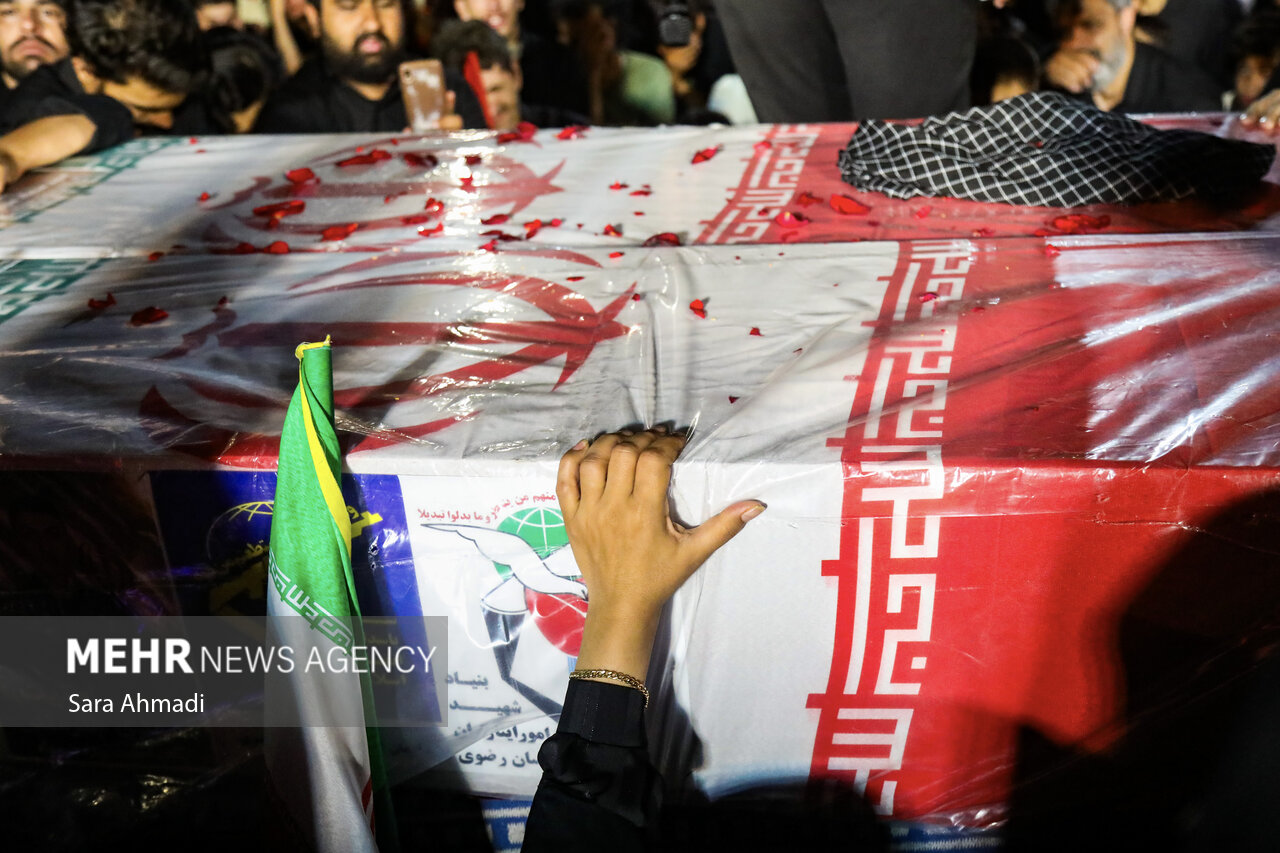
A senior Iranian commander said Iran will never trade away its security, independence, or dignity, marking the anniversary of the killing of Major General Ali Shadmani.
Intelligence analysis by GPT-5.4 Mini

In a message tied to the 12-day war anniversary, Major General Ali Abdollahi cast Iran's response to Israeli and US attacks as proof of national resilience. He said martyrdom, public support, and indigenous defense capabilities will keep driving deterrence and national unity.
A top Iranian general said the country will not hand over its safety or freedom, like a kid refusing to give away the only key to a house. He tied that to a past war and said Iran will keep getting stronger by standing together and using its own defenses.
Analysis
What the commander said
Major General Ali Abdollahi, commander of Khatam al-Anbiya Central Headquarters, issued a message on the first anniversary of Major General Ali Shadmani's martyrdom. He said the Iranian nation has shown it will not bargain away its security, independence, or dignity to any power.
Link to the war
Abdollahi tied the message to the 12-day war that began on June 13, 2025, when Israel carried out airstrikes that the article says killed senior military figures, officials, and nuclear scientists. The piece says the United States later joined the war by bombing three Iranian nuclear sites, which Iran described as a violation of the UN Charter, international law, and the Nuclear Non-Proliferation Treaty.
Iran's response
According to the article, Iranian armed forces responded by striking strategic sites in the occupied territories and the al-Udeid air base in Qatar, described here as the largest American military base in West Asia. Abdollahi said the blood of the martyrs sends a clear message to both the Iranian public and its enemies.
He also said Iran will keep moving forward with greater determination by relying on faith, loyal human capital, domestic defense capabilities, and national unity under Ayatollah Khamenei. The message presents deterrence and self-reliance as the main lessons of the conflict, with the martyrs' legacy framed as part of Iran's security doctrine.
Key points
- Major General Ali Abdollahi said Iran will not trade away its security, independence, or dignity.
- He delivered the message on the anniversary of Major General Ali Shadmani's martyrdom.
- The article links the statement to the June 13, 2025 start of the 12-day war and the later US strikes on Iranian nuclear sites.
- Abdollahi said Iran's response showed resilience and support for the armed forces.
- He said Iran will continue relying on faith, domestic defense capability, and national unity.
If the unity and domestic defense capabilities Abdollahi describes hold, Iran says it can keep strengthening deterrence and protect its security without relying on outside powers. The message also suggests the state wants to turn the war's anniversary into a rallying point for national cohesion and continued progress.
The downside is a continued cycle of attacks and retaliation, since the article frames the conflict as a direct response to outside aggression rather than a closed chapter. If deterrence does not hold, the same posture could keep Iran in a more confrontational security stance and deepen regional tension.