Iran will switch to offensive if diplomacy fails
Iran has decided to shift its policy from defensive to a fully offensive one if diplomacy with the US fails. The country has set a deadline for the US to implement the Islamabad MoU, and will escalate tensions in the Strait of Hormuz if diplomacy fails.
Intelligence analysis by Llama
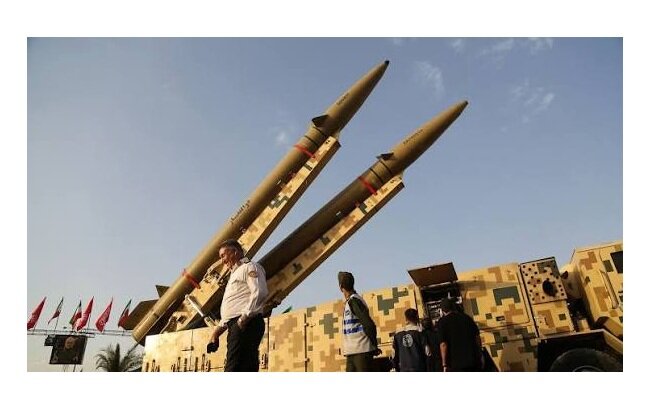
Iran will switch to an offensive policy if diplomacy with the US fails, escalating tensions in the Strait of Hormuz.
Imagine you're playing a game with your friend, and you both agree to follow the rules. But then, your friend breaks the rules and doesn't do what they promised. You might get upset and want to change the game to make it fairer. That's kind of what's happening between Iran and the US. Iran is saying that if the US doesn't follow the rules, they'll change their strategy and make it harder for the US to play the game.
Analysis
Iran's Shift in Policy
Iran has decided to shift its policy from defensive to a fully offensive one if diplomacy with the US fails. This decision was made in response to the US's reneging of its promises in the Islamabad MoU. The MoU was signed in an effort to ease tensions between the two countries, but the US has failed to implement its terms.
Consequences of Failure
If diplomacy fails, Iran will escalate tensions in the Strait of Hormuz, a critical waterway for global oil trade. This could lead to a significant increase in oil prices, affecting the global economy. Iran has also warned that it will not wait for the US to continue the naval blockade indefinitely, and will take action to protect its interests.
Implications for the Region
The escalation of tensions between Iran and the US has significant implications for the region. Iran's neighbors, including Iraq and Lebanon, are already feeling the effects of the conflict. The situation is further complicated by the presence of other regional actors, including Israel and Saudi Arabia. The potential for conflict in the region is high, and the international community is watching the situation closely.
Key points
- Iran has decided to shift its policy from defensive to a fully offensive one if diplomacy with the US fails.
- The US has failed to implement the terms of the Islamabad MoU, leading to Iran's decision to escalate tensions.
- Iran will escalate tensions in the Strait of Hormuz if diplomacy fails, potentially leading to a significant increase in oil prices.
- The situation has significant implications for the region, including for Iran's neighbors and other regional actors.
If diplomacy between Iran and the US can be salvaged, it could lead to a reduction in tensions and a decrease in the risk of conflict in the region. This could also lead to a decrease in oil prices and a positive impact on the global economy.
If diplomacy fails and Iran escalates tensions in the Strait of Hormuz, it could lead to a significant increase in oil prices and a negative impact on the global economy. This could also lead to a conflict in the region, affecting the lives of millions of people.