Where did the Qeshm oil spill come from and what environmental danger does it pose?
BBC investigation using satellite imagery traces oil contamination on Qeshm Island shores to the bulk carrier Minnow Pioneer, attacked on August 3 in Omani waters.
Intelligence analysis by Llama
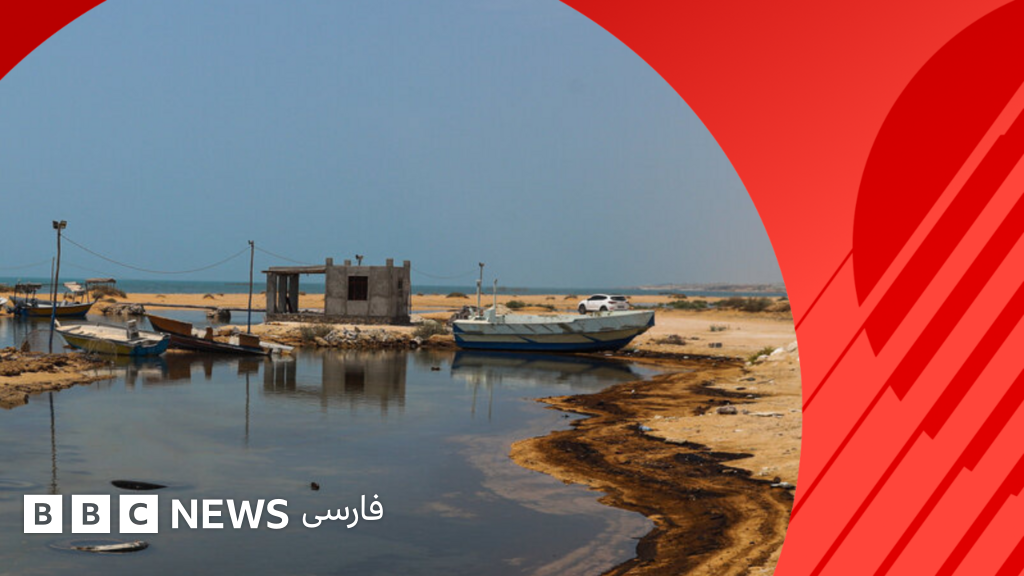
BBC Persian fact-checkers used NASA fire-detection data and Sentinel/Copernicus imagery to link the Qeshm Island oil contamination to a damaged bulk carrier in the southern Strait of Hormuz. No party has claimed the attack; Iran denies responsibility but calls the source a foreign vessel.
A big cargo ship called the Minnow Pioneer got hit by something in the sea near Iran, and thick black oil leaked out. The oil floated across the water and washed up on the beaches of Qeshm Island, where sea turtles lay their eggs in the sand. Cleaning oil off plants and animals is very hard, so the mess might bother them for a long time.
Analysis
The Minnow Pioneer and the August 3 attack
According to the article, maritime tracking firm TankerTrackers was the first to identify the Minnow Pioneer as the source of contamination reaching Qeshm, and to assert that Iran "targeted" the bulk carrier, calling the resulting pollution a "self-inflicted wound" for Iran. The vessel was struck on August 3 in Omani waters in the southern part of the Strait of Hormuz by what the article describes as an "unidentified projectile." BBC Verify cross-referenced the claim with NASA's satellite fire-detection system, which recorded thermal signatures consistent with a fire at the ship's location after the strike, and reviewed Sentinel/Copernicus imagery showing black smoke still rising from the vessel two days later. Iran has not accepted responsibility, and no group or country has claimed the attack. The BBC reports it could not independently confirm the identity of the attacker. Days later, Iran's foreign ministry said initial evidence pointed to a "foreign bulk carrier" as the source of the pollution, without naming the ship, in language that aligns with the TankerTrackers finding and BBC's own satellite analysis.
From 10 to more than 300 square kilometers
Satellite images reviewed by BBC Persian show the slick's growth in stages. Two days after the attack, the slick around the Minnow Pioneer covered roughly 10 square kilometers; two days after that, it had roughly doubled and was drifting northwest toward Qeshm. By August 10, the slick spanned more than 300 square kilometers, an area the article equates to more than 40,000 football pitches. Hormozgan provincial environment officials stated that about 32,000 square meters of shoreline and 90,000 square meters of water surface were affected, a figure the BBC says it could not independently verify. The head of Hormozgan's Ports and Maritime Organization announced the "end" of identification, containment, and cleanup operations at the affected beaches of Suza and Shibderaz. The secretary-general of Iran's Shipping Association said the origin of the contamination is not known. The substance that reached the shore, the article notes, was likely bunker fuel, the heavy residual oil used to power large vessels.
Hawksbill turtles, mangroves, and a slow recovery
The article frames Qeshm's surrounding waters as ecologically sensitive: the area hosts mangrove (harra) forests, coral habitats, important fishing grounds, and nesting sites for the critically endangered hawksbill sea turtle. The Qeshm governor said field visits found only a limited number of planted mangrove trees at Naqqasheh beach affected, with no major problems observed elsewhere, but marine pollution expert Tracy Collier told the BBC that oil lodged in coastal vegetation can persist for long periods because there is no fully effective way to remove it. Bunker fuels, she added, are particularly thick and sticky and linger in the environment. Sea turtles coated in oil can die quickly in hot weather, especially juveniles, and dissolved oil compounds can affect fish, eggs, and larvae even after the visible slick disappears. Plankton, the base of the marine food web, can be sharply reduced in the short term, though their short life cycles allow faster recovery. The article also flags economic fallout: coastal communities in Qeshm depend on fishing, and consumer concerns about tainted seafood can depress sales long after the cleanup is declared finished.
Key points
- BBC satellite analysis traces the Qeshm oil contamination to the bulk carrier Minnow Pioneer, attacked on August 3 in Omani waters in the southern Strait of Hormuz.
- Iran's foreign ministry later said initial evidence pointed to a "foreign bulk carrier" as the source, without naming the ship; no party has claimed the attack.
- The slick grew from about 10 square kilometers near the ship to more than 300 square kilometers by August 10, drifting northwest toward Qeshm.
- Environmental risks include mangrove forests, coral habitats, and nesting sites for the critically endangered hawksbill sea turtle.
- Cleanup operations at Suza and Shibderaz beaches have been declared finished, but experts warn bunker fuel lodged in coastal vegetation can persist for long periods.
Cleanup of the visible contamination at Suza and Shibderaz beaches has been declared complete by Hormozgan's ports authority, and mangrove damage in surveyed areas appears limited. Plankton populations, which sit at the base of the marine food web, can rebound relatively quickly because of their short life cycles, per the expert quoted in the article.
Bunker fuel lodged in mangrove roots and coastal sediment is extremely difficult to remove, and the article quotes an expert saying it can persist for long periods. Sub-lethal oil compounds can continue to harm fish eggs, larvae, and juvenile hawksbill turtles long after the visible slick disappears, and consumer fears about tainted seafood could damage Qeshm fishing communities' incomes even after cleanup ends.
Market signals
- OIL An attack on a vessel in the Strait of Hormuz and uncertainty over responsibility raise supply-route risk for seaborne crude, per the article's framing of the incident.
AI-generated analysis of potential market relevance. Not financial advice.