Iranian government: Over 30 civilians killed in recent US attacks
Iranian government spokesperson Fatemeh Mohajerani reported that over 30 civilians were killed in recent US strikes in southern Iran, contradicting Washington's claims of targeting commercial shipping threats. These attacks are seen as a violation of a recent memorandum o…
Intelligence analysis by Gemini 2.5 Flash
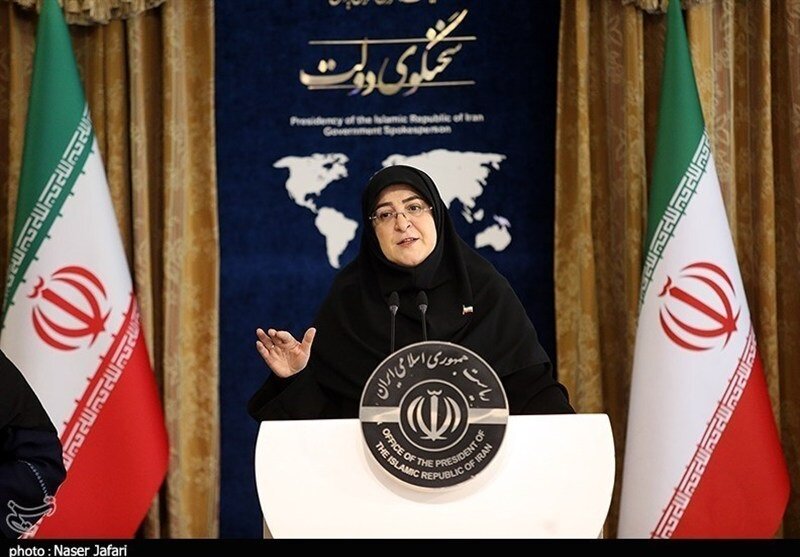
Iran's government, through spokesperson Fatemeh Mohajerani, has condemned recent US airstrikes in southern Iran, reporting over 30 civilian deaths. These strikes are viewed as a direct breach of a June 17 memorandum of understanding (MoU) between Iranian President Masoud Pezeshkian and US President Donald Trump, which aimed for a permanent end to hostilities. While the US maintains it…
Imagine two big kids, America and Iran, who have been fighting for a while. They tried to make a promise to stop fighting and talk things out, like a peace treaty. But then, one of the big kids, America, said the promise was off and started throwing things again. Now, Iran says that over 30 regular people, not fighters, have been hurt or killed by America's actions, which makes the fighting even sadder and more complicated.
Analysis
The Swift Collapse of a Fragile Truce
The recent US airstrikes in southern Iran, which the Iranian government claims have killed over 30 civilians, represent a significant setback for diplomatic efforts between Washington and Tehran. Just weeks prior, on June 17, Iranian President Masoud Pezeshkian and US President Donald Trump had electronically signed the Islamabad Memorandum of Understanding (MoU). This agreement explicitly called for a permanent cessation of hostilities on all fronts and committed both sides to final peace negotiations within a 60-day timeframe. The MoU itself was designed to uphold an earlier April 8 ceasefire, which had temporarily halted a joint US and Israeli war on Iran that began on February 28. However, the fragile peace was shattered when President Trump abruptly declared the June agreement "over," paving the way for renewed US military action and the subsequent civilian casualties reported by Iran.
Mounting Civilian Casualties and Accountability Concerns
Iranian government spokesperson Fatemeh Mohajerani's statement underscores a critical humanitarian crisis, with over 30 civilians reportedly losing their lives in the latest US attacks. This adds to an already tragic toll, as official data indicates nearly 3,500 people have been killed in Iran since the war's outbreak, with roughly half confirmed as civilians. A particularly devastating incident cited is the initial US missile strike on an elementary school in Minab, which killed 168 people, predominantly schoolchildren. Despite US media acknowledging American responsibility for the Minab disaster, Washington has faced severe international criticism for its perceived failure to ensure accountability or adjust its targeting parameters to protect innocent lives. Critics argue that these incidents, including the recent deaths, demonstrate a reckless disregard for international humanitarian law and expose the hollowness of US claims of "precision striking."
Escalation Amidst Strategic Tensions
The US justification for its renewed airstrikes centers on "degrading Iran's ability to threaten commercial shipping" in the vital Strait of Hormuz. This strategic waterway is crucial for global oil transit, and any disruption carries significant international economic implications. However, the Iranian government's counter-narrative, focusing on the high civilian death toll, directly challenges the legitimacy and effectiveness of these operations. The ongoing conflict, which began in February, has seen a consistent pattern of US military action and Iranian accusations of civilian harm. The breakdown of the Islamabad MoU and the immediate resumption of hostilities suggest a deepening cycle of violence, with diplomatic solutions appearing increasingly distant. The international community continues to watch with concern as the humanitarian cost in Iran rises and the stability of a critical global shipping lane remains under threat.
Key points
- Iranian government spokesperson Fatemeh Mohajerani reported over 30 civilian deaths in recent US strikes in southern Iran.
- The US attacks are seen by Iran as a violation of a June 17 Memorandum of Understanding (MoU) for peace.
- US President Donald Trump reportedly declared the June MoU "over" before the renewed bombings.
- The conflict, which began on February 28, has resulted in nearly 3,500 deaths in Iran, with about half confirmed as civilians.
- Critics cite a previous US missile strike on a Minab elementary school, killing 168, as evidence of disregard for civilian lives.
Despite the current breakdown, the fact that a Memorandum of Understanding was signed in June indicates that both the US and Iranian leadership have, at least temporarily, been willing to engage in diplomatic efforts to de-escalate. This precedent suggests that future opportunities for negotiation and a return to peace talks, however challenging, might still exist if political will can be re-established.
The abrupt termination of the June MoU by the US President and the immediate resumption of airstrikes signal a significant escalation of hostilities, making a peaceful resolution increasingly unlikely in the near term. The rising civilian death toll and the Iranian government's strong condemnation suggest a deepening cycle of violence and mistrust, potentially leading to a prolonged conflict with severe humanitarian consequences.