Iranian Parliament passes legislation defining crimes of foreign aggression
Iranian lawmakers have approved key provisions defining and criminalizing acts of foreign aggression against the country's national sovereignty and territorial integrity.
Intelligence analysis by Llama
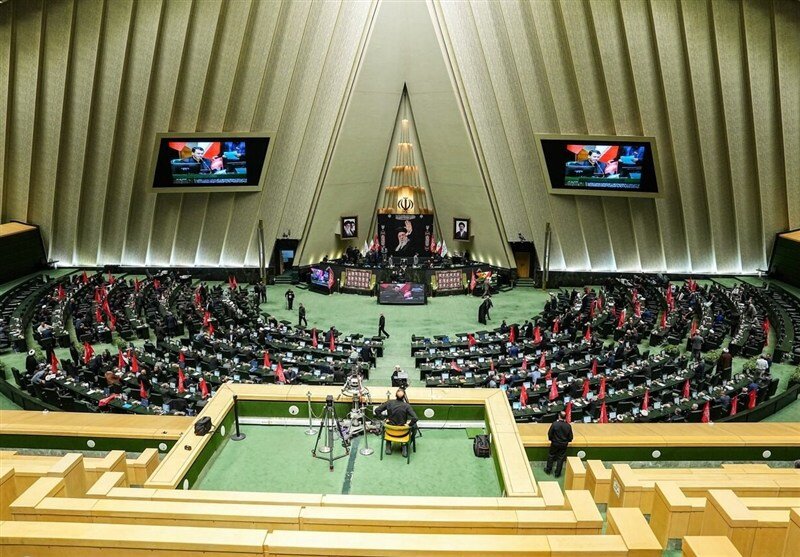
Iran's parliament has ratified Articles 7 and 8 of a draft law, establishing a firm judicial mandate targeting officials who plan or execute aggressive actions against the nation's independence. The legislation outlines six categories of illegal foreign aggression and provides the legal mechanism for prosecuting accomplices and individuals attempting to execute such crimes.
Imagine you're playing a game with your friends, and someone tries to cheat by taking your toys without asking. Iran's parliament just passed a law that says if someone tries to cheat like that, they'll get in big trouble. The law is like a rule book that says what's allowed and what's not, and it helps keep everyone safe and fair.
Analysis
A Stronger Deterrent Against Foreign Aggression
The passage of these provisions by Iran's parliament sends a clear message to foreign powers that any aggression against the country's sovereignty and territorial integrity will be met with severe consequences. The legislation establishes a firm judicial mandate targeting officials who plan or execute aggressive actions against the nation's independence, making it clear that such actions will not be tolerated.
A Clear Legal Framework
The newly approved legislation outlines six specific categories of illegal foreign aggression, including direct armed invasions, military occupations, or forceful territorial annexations; unprovoked bombardment or missile strikes against national territory; naval blockades targeting ports or coastal waters; attacks against land, sea, or air defense forces; misuse or unauthorized extension of foreign military presence beyond contractual agreements; and permitting national territory to be utilized by a foreign state for launching attacks against a third party. This clear legal framework will provide a basis for prosecuting accomplices and individuals attempting to execute such crimes, and will help to deter and punish any foreign infringement on the country's territorial boundaries.
Implications for International Relations
The passage of this legislation has significant implications for international relations. It sends a clear message to foreign powers that Iran will not tolerate any aggression against its sovereignty and territorial integrity, and will take swift and severe action against any officials who plan or execute such actions. This development is likely to have a positive impact on Iran's international relations, as it demonstrates the country's commitment to upholding international legal standards and protecting its national sovereignty.
Key points
- Iran's parliament has approved key provisions defining and criminalizing acts of foreign aggression against the country's national sovereignty and territorial integrity.
- The legislation establishes a firm judicial mandate targeting officials who plan or execute aggressive actions against the nation's independence.
- The law outlines six specific categories of illegal foreign aggression, including direct armed invasions and unprovoked bombardment or missile strikes against national territory.
- The legislation provides the legal mechanism for prosecuting accomplices and individuals attempting to execute such crimes.
If this development plays out positively, it could lead to improved international relations for Iran, as other countries will be more likely to respect the country's sovereignty and territorial integrity. This, in turn, could lead to increased economic cooperation and trade between Iran and other countries, which could have a positive impact on the country's economy.
However, there is also a risk that this development could lead to increased tensions with foreign powers, particularly if they feel that Iran is becoming too aggressive or assertive. This could lead to a deterioration in international relations, which could have negative consequences for Iran's economy and security.