Iran's Attack on Israel: A Regional Game-Changer or a Miscalculation?
BBC Persian examines why Iran struck Israel after attacks on Hezbollah and whether the move strengthens deterrence or risks escalation.
Intelligence analysis by GPT-5.4 Mini
The article argues that Iran's latest strike on Israel was less about direct retaliation than signaling a new regional red line: attacks on Iran's allies may now be treated as attacks on Iran itself. It weighs that message against the risks of renewed Israeli action and damage to fragile diplomacy with the US.
The article says Iran threw a warning punch to show it would stand up for its friends and not just wait quietly. It may have been like tapping the table hard during a game to say, 'Don't push this further,' but that can also make the game more dangerous.
Analysis
What changed
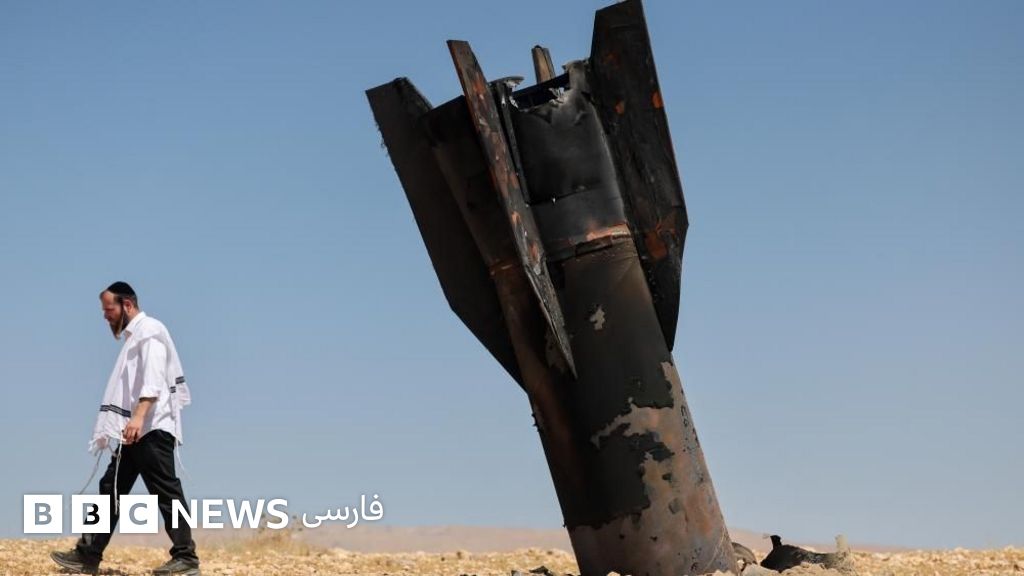
The article says Iran launched missiles and drones toward Israel after Israeli strikes in Lebanon, in response to an attack on a building in southern Beirut that Israel said was linked to Hezbollah. What made this episode different, the piece argues, is that Iran was acting in support of an ally rather than replying to a strike on Iranian territory, commanders, or assets.
The strategic reading
The central question is why Iranian leaders judged this to be the right moment, even though they knew it could trigger further Israeli operations and complicate fragile talks with the US. The article suggests one answer lies in Iran's postwar confidence. Despite heavy damage from the recent war and repeated pressure from Israel and the US, the government remained in place, security institutions held together, and no broad uprising followed.
That experience may have changed Tehran's self-image. Instead of seeing itself as a vulnerable actor that must avoid confrontation at all costs, Iran may now believe it has survived the hardest phase and can set new red lines. In that reading, the strike was not mainly revenge. It was a deterrent message: hitting Iran's allies will no longer be treated as separate from hitting Iran.
Messaging, talks, and uncertainty
The article also frames the strike as a signal to Hezbollah, Iraqi militias, and the wider "axis of resistance," where Iran's credibility depends on standing by partners. It also points to Washington and Israel, both of whom were watching to see whether Tehran would act on its threats. Timing mattered too: Donald Trump had recently said a deal might be within reach, so the strike may have been designed to improve Iran's leverage rather than sabotage diplomacy.
Public reaction in the piece is divided. Some readers viewed the move as justified support for Lebanon. Others questioned why southern Lebanon would matter more than unrest in southern Iran. A third group worried mainly about the chance of another wider war. The article leaves open whether Iran's calculation will prove correct, but suggests the bigger story is a possible shift in how the Islamic Republic thinks about security, deterrence, and its place in the region.
Key points
- Iran's strike came after Israeli attacks on Hezbollah-linked targets in Lebanon, not after a direct hit on Iranian territory.
- The article argues Tehran may be trying to extend its red lines to attacks on its allies across the region.
- Iran's postwar resilience may have increased its confidence that it can absorb pressure and still act.
- The strike may have been meant to strengthen, not destroy, Iran's position in negotiations with the US.
- Public reaction inside Iran appears divided between support, skepticism, and fear of wider war.
If the move is read as a controlled signal, Iran may strengthen deterrence without forcing a full regional war. The article also suggests it could improve Tehran's leverage if talks continue, because it shows Iran still has options while still leaving room for diplomacy.
The biggest risk is that the strike could restart Israeli military action and further weaken already fragile negotiations with the US. If Tehran misread the moment, the result could be more escalation without any real diplomatic gain.