Iran’s foreign minister warns of any ‘adventurous action’ by US
Iran's foreign minister, Abbas Araqchi, warned the US against any 'adventurous action' and said Iran would retaliate decisively if American forces follow through on US President Donald Trump's threats of fresh attacks on Iranian targets.
Intelligence analysis by Llama
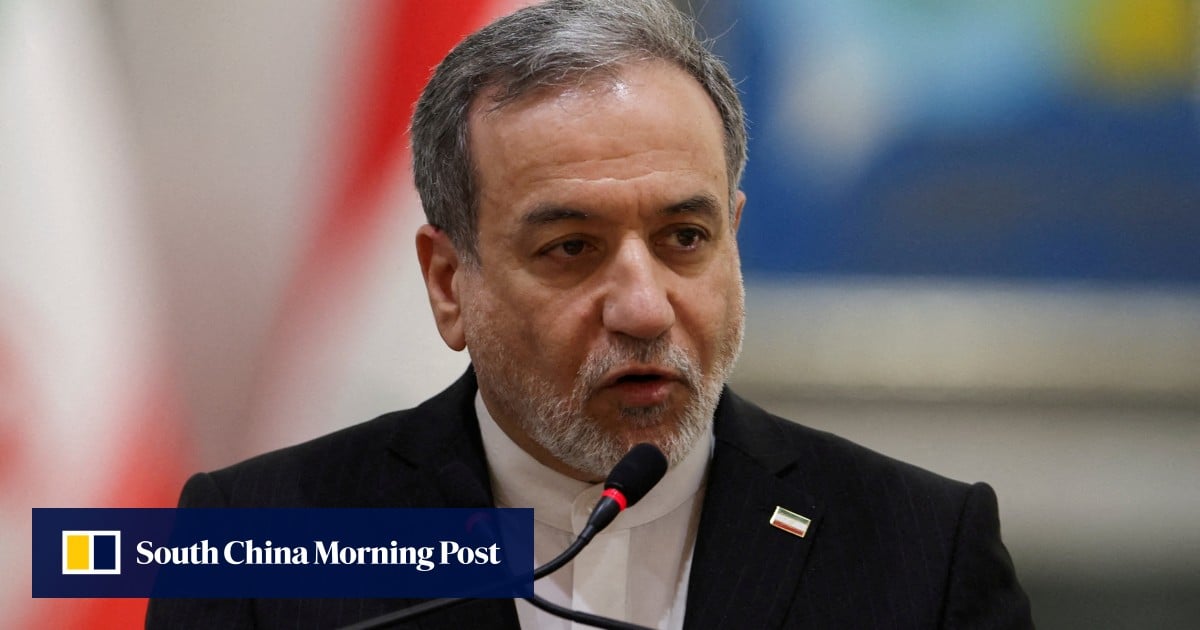
Iran's foreign minister, Abbas Araqchi, warned the US against any 'adventurous action' and said Iran would retaliate decisively if American forces follow through on US President Donald Trump's threats of fresh attacks on Iranian targets. Iran warned of a 'proportionate response' to any US or Israeli attacks, and said US attacks on Iranian energy infrastructure would prompt Iranian str…
Iran's foreign minister, Abbas Araqchi, warned the US against any 'adventurous action' and said Iran would retaliate decisively if American forces follow through on US President Donald Trump's threats of fresh attacks on Iranian targets. This is like a big game of chicken, where both sides are trying to show the other who is stronger. But the consequences of a conflict could be severe, including a significant increase in oil prices and a potential conflict spreading to other parts of the region.
Analysis
A Warning from Iran's Foreign Minister
Iran's foreign minister, Abbas Araqchi, has warned the US against any 'adventurous action' and said Iran would retaliate decisively if American forces follow through on US President Donald Trump's threats of fresh attacks on Iranian targets. This warning comes as tensions between Iran and the US continue to escalate, with the US imposing sanctions on Iran and Iran retaliating with missile strikes on US military bases in Iraq.
Araqchi's comments were made in separate phone calls on Saturday with senior Turkish, Pakistani and Saudi officials, and were reported by his Telegram account. He said that Iran would respond decisively to any 'aggression' and discussed the consequences of 'destabilising actions' by the US, as well as prospects for heightened regional insecurity.
The warning from Araqchi is significant because it suggests that Iran is preparing for a potential conflict with the US. Iran has been warning of a potential conflict with the US for months, and has been taking steps to prepare for such a scenario. This includes building up its military capabilities and stockpiling supplies.
The US, on the other hand, has been imposing sanctions on Iran and has been taking steps to increase pressure on the country. The US has also been building up its military presence in the region, with the deployment of additional troops to the region.
The situation is complex and volatile, and it is difficult to predict what will happen next. However, one thing is clear: the situation is escalating and the risk of conflict is increasing.
The Consequences of US Action
If the US were to follow through on its threats and launch a military attack on Iran, the consequences could be severe. Iran has warned that it would retaliate decisively, and has said that it would target US oilfields in Saudi Arabia and the United Arab Emirates, as well as the gas fields of Qatar and Israel.
The US has been warning of the potential consequences of a conflict with Iran, including the potential for a significant increase in oil prices. The US has also been warning of the potential for a conflict to spread to other parts of the region, including the Middle East and Europe.
The Road Ahead
The situation is complex and volatile, and it is difficult to predict what will happen next. However, one thing is clear: the situation is escalating and the risk of conflict is increasing. The US and Iran are locked in a cycle of escalation, with each side taking steps to increase pressure on the other. This cycle is likely to continue until one side backs down or a conflict breaks out.
The situation is a reminder of the importance of diplomacy and dialogue in preventing conflict. The US and Iran need to engage in direct talks and work towards a peaceful resolution to their differences. This will require a willingness to compromise and a commitment to finding a mutually acceptable solution.
Key points
- Iran's foreign minister, Abbas Araqchi, warned the US against any 'adventurous action' and said Iran would retaliate decisively if American forces follow through on US President Donald Trump's threats of fresh attacks on Iranian targets.
- Iran warned of a 'proportionate response' to any US or Israeli attacks, and said US attacks on Iranian energy infrastructure would prompt Iranian strikes on oilfields in Saudi Arabia and the United Arab Emirates, as well as the gas fields of Qatar and Israel.
- The US and Iran are locked in a cycle of escalation, with each side taking steps to increase pressure on the other.
- The situation is complex and volatile, and it is difficult to predict what will happen next.
The US and Iran may be able to find a peaceful resolution to their differences through direct talks and diplomacy. This would require a willingness to compromise and a commitment to finding a mutually acceptable solution. If the US and Iran can find a way to work together, it could lead to a significant reduction in tensions and a decrease in the risk of conflict.
The situation is escalating and the risk of conflict is increasing. The US and Iran are locked in a cycle of escalation, with each side taking steps to increase pressure on the other. This cycle is likely to continue until one side backs down or a conflict breaks out. The consequences of a conflict could be severe, including a significant increase in oil prices and a potential conflict spreading to other parts of the region.