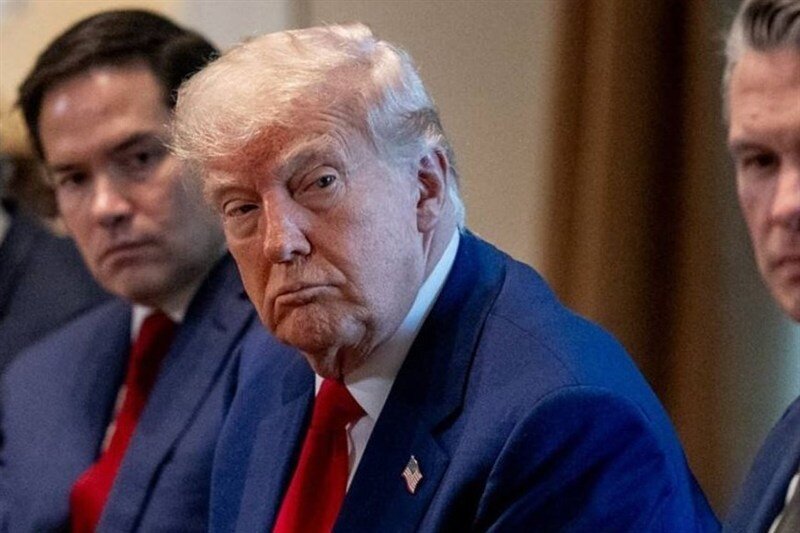
Iran’s red line holds: Trump forced into humiliating retreat
US President Donald Trump cancelled declared military strikes on Iranian energy assets after Tehran promised a devastating response and key regional powers urged an immediate pause.
Intelligence analysis by Llama
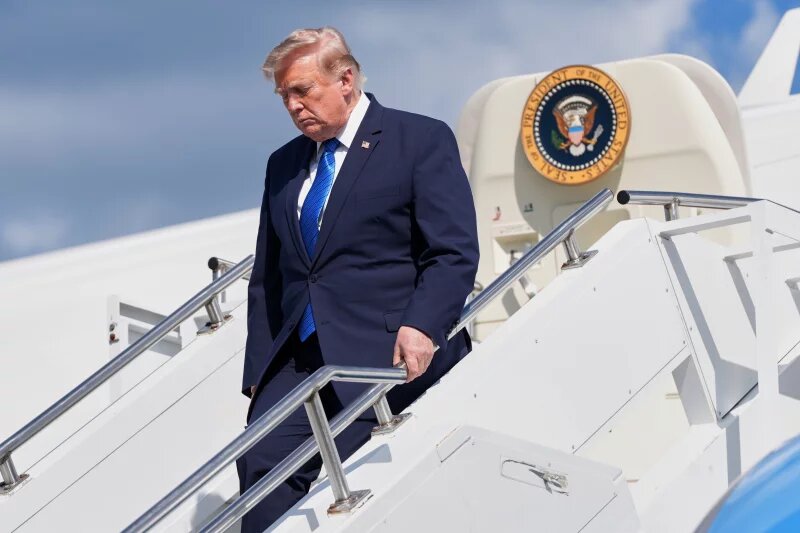
US President Donald Trump cancelled declared military strikes on Iranian energy assets after regional allies intervened to avert a broader war. Trump's belligerent rhetoric masked a difficult strategic reality for Washington, which has struggled to gain leverage in the conflict.
Imagine you're playing a game where you have to defend your territory from an enemy. Iran is like a super-strong player who can launch surprise attacks on the enemy's ships. The US, on the other hand, is like a player who's trying to attack Iran's territory but keeps getting hurt. The US is trying to find a way to win the game without getting hurt too much, but it's not easy.
Analysis
A $60B Vote of Confidence
Iran's resilient defense tactics, daily waves of drone and missile barrages against US assets, and repeated blockades of the vital Strait of Hormuz have left Washington struggling for leverage. The administration's posture has been described as a search for an off-ramp, with aggressive public declarations serving primarily to project strength and craft a narrative of tactical gains.
Why Cursor?
The cancellation of the energy infrastructure strikes underscores the administration's reluctance to trigger an all-out confrontation. As mediation efforts continue, Washington faces mounting domestic and international pressure to abandon threat diplomacy in favor of a negotiated settlement.
The Road Ahead
High-level diplomatic channels remain active, with Qatari mediators conducting parallel discussions with Iranian Foreign Minister Abbas Araghchi, US envoy Steve Witkoff, and Omani authorities in a bid to secure a durable framework for commercial shipping through the Strait of Hormuz. Discussions involving Pakistani Field Marshal Asim Munir have likewise sought to bridge the gap between Washington and Tehran.
Key points
- US President Donald Trump cancelled declared military strikes on Iranian energy assets after regional allies intervened to avert a broader war.
- Iran's resilient defense tactics have left Washington struggling for leverage in the conflict.
- High-level diplomatic channels remain active, with Qatari mediators conducting parallel discussions with Iranian Foreign Minister Abbas Araghchi, US envoy Steve Witkoff, and Omani authorities.
If the US and Iran can find a way to negotiate a settlement, it could lead to a more stable and secure region, with reduced tensions and increased cooperation on issues like commercial shipping.
If the US and Iran fail to find a negotiated settlement, it could lead to a prolonged and costly conflict, with increased risk of civilian casualties and economic disruption.