Iraq's Security Adviser Says Deadline for Handing Over Arms is for Coalition Withdrawal, Not for Handing Over Arms
Iraq's security adviser, Qasim Arajji, said that the deadline of September 30 is for the withdrawal of the coalition forces, not for handing over arms to the groups close to Iran. The adviser emphasized that the groups close to Iran have refused to hand over their arms, a…
Intelligence analysis by Llama
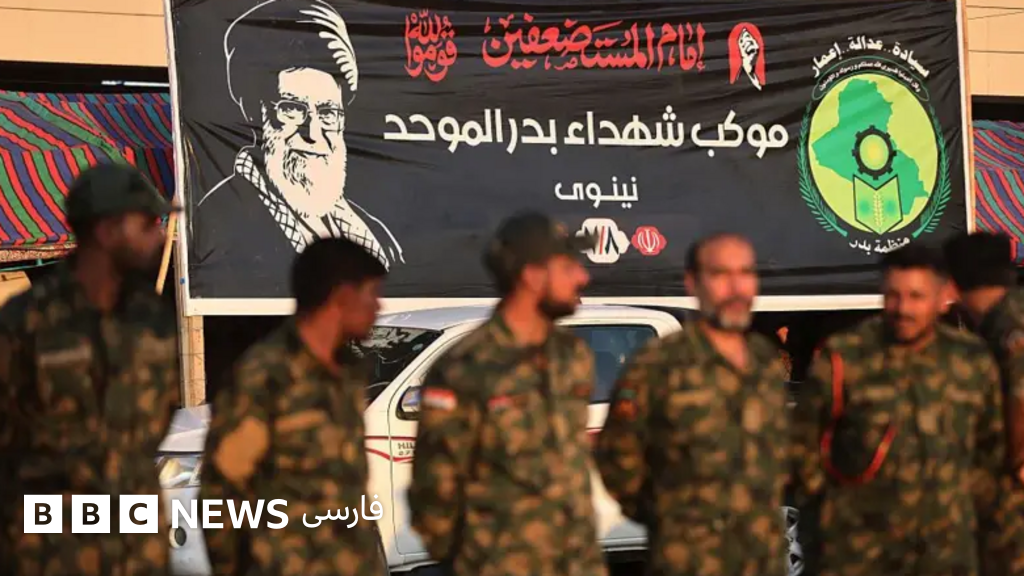
Iraq's security adviser, Qasim Arajji, said that the deadline of September 30 is for the withdrawal of the coalition forces, not for handing over arms to the groups close to Iran. The adviser emphasized that the groups close to Iran have refused to hand over their arms, and the Iraqi government is under pressure from the United States to disarm them.
Imagine Iraq is a big house with many rooms. The coalition forces are like the security guards who have been watching the house for a long time. But now, the security guards are leaving, and the people in the house are worried about who will keep them safe. The security adviser is like the person in charge of the house, and he is trying to figure out how to keep everyone safe.
Analysis
Iraq's Security Adviser Says Deadline for Handing Over Arms is for Coalition Withdrawal, Not for Handing Over Arms
Iraq's security adviser, Qasim Arajji, has clarified that the deadline of September 30 is for the withdrawal of the coalition forces, not for handing over arms to the groups close to Iran. This statement has sparked a debate about the role of the coalition forces in Iraq and the future of the country's security.
The adviser emphasized that the groups close to Iran have refused to hand over their arms, and the Iraqi government is under pressure from the United States to disarm them. The groups close to Iran have been a major concern for the Iraqi government, as they have been accused of being involved in various terrorist activities.
The deadline of September 30 is a crucial date for the Iraqi government, as it is under pressure from the United States to disarm the groups close to Iran. The security adviser's statement has sparked a debate about the role of the coalition forces in Iraq and the future of the country's security.
The Role of the Coalition Forces in Iraq
The coalition forces have been in Iraq since 2003, and their role has been a subject of debate. The security adviser's statement has sparked a debate about the future of the coalition forces in Iraq. Some argue that the coalition forces have been a major contributor to the security of Iraq, while others argue that they have been a hindrance to the country's progress.
The Future of Iraq's Security
The security adviser's statement has also sparked a debate about the future of Iraq's security. Some argue that the country needs to rely on its own security forces, while others argue that the coalition forces are still necessary to maintain stability in the country.
The Impact of the Deadline on Iraq's Security
The deadline of September 30 has sparked a debate about the impact of the deadline on Iraq's security. Some argue that the deadline will lead to a decrease in violence, while others argue that it will lead to an increase in violence.
Key points
- Iraq's security adviser, Qasim Arajji, said that the deadline of September 30 is for the withdrawal of the coalition forces, not for handing over arms to the groups close to Iran.
- The adviser emphasized that the groups close to Iran have refused to hand over their arms, and the Iraqi government is under pressure from the United States to disarm them.
- The deadline of September 30 is a crucial date for the Iraqi government, as it is under pressure from the United States to disarm the groups close to Iran.
If the deadline of September 30 is met, it could lead to a decrease in violence in Iraq, as the groups close to Iran may be forced to hand over their arms. This could also lead to a more stable security situation in the country.
However, if the deadline is not met, it could lead to an increase in violence in Iraq, as the groups close to Iran may become more aggressive in their attempts to resist disarmament. This could also lead to a more unstable security situation in the country.