Is Iran's Attack on Shijeh Tayybeh Elementary School a War Crime?
Iran's attack on Shijeh Tayybeh elementary school has left 120 children dead. The attack has sparked debate on whether it constitutes a war crime. According to international law, the attack's intent and classification as a civilian or military target are crucial in determ…
Intelligence analysis by Llama
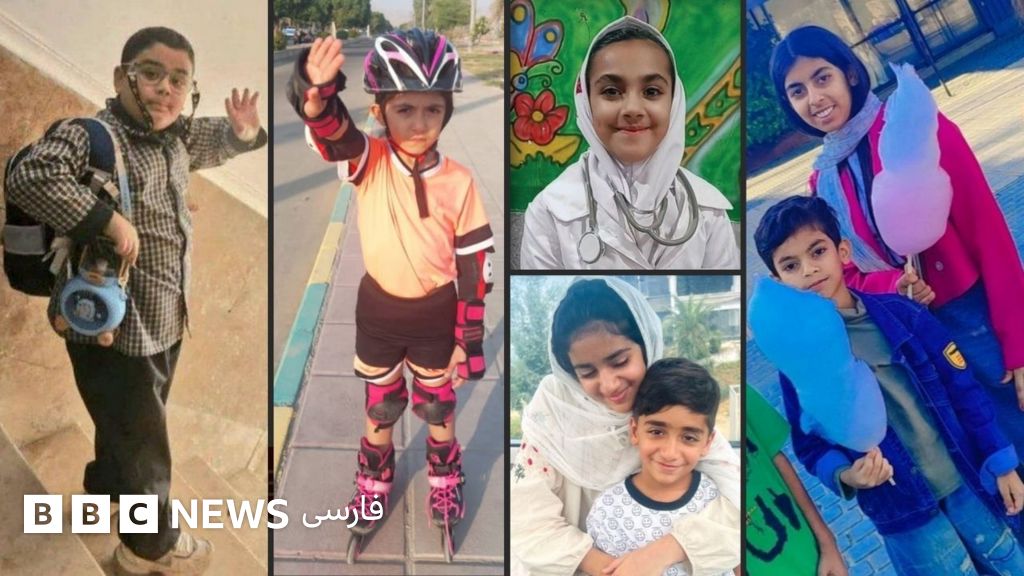
Iran's attack on Shijeh Tayybeh elementary school has left 120 children dead, sparking debate on whether it constitutes a war crime. International law dictates that the attack's intent and classification as a civilian or military target are crucial in determining responsibility.
The attack on Shijeh Tayybeh elementary school in Iran has left 120 children dead. The question is whether it was a war crime or not. According to international law, the attack's intent and classification as a civilian or military target are crucial in determining responsibility. If it was a deliberate attack on a civilian target, it would be considered a war crime. However, if it was a mistake or a misidentification of the target, it would not be considered a war crime.
Analysis
The Attack on Shijeh Tayybeh Elementary School: A War Crime or Not?
The attack on Shijeh Tayybeh elementary school in Iran has left 120 children dead, sparking debate on whether it constitutes a war crime. According to international law, the attack's intent and classification as a civilian or military target are crucial in determining responsibility.
From a legal perspective, the attack's intent is key. If it can be proven that the decision-makers in the United States were aware that the school was a non-military target, then the attack would be considered a war crime. This is because it would be a clear violation of the principle of distinction between military and civilian targets, a fundamental principle of international humanitarian law.
However, it is also possible that the attack was the result of a mistake or a misidentification of the target. In this case, the attack would not be considered a war crime, but rather a tragic error.
The attack on Shijeh Tayybeh elementary school has significant implications for international law and the protection of civilians in conflict zones. It highlights the need for clear guidelines and protocols to prevent such attacks from occurring in the future.
The Protection of Civilians in Conflict Zones
The protection of civilians in conflict zones is a fundamental principle of international humanitarian law. It is enshrined in various international treaties and conventions, including the Geneva Conventions and the Hague Conventions.
The principle of distinction between military and civilian targets is a key aspect of this principle. It requires that parties to a conflict distinguish between military targets and civilian targets, and that they take all feasible precautions to avoid or minimize harm to civilians.
In the case of the attack on Shijeh Tayybeh elementary school, it is clear that the school was a civilian target. The attack resulted in the deaths of 120 children, and it is likely that many more were injured.
The Need for Clear Guidelines and Protocols
The attack on Shijeh Tayybeh elementary school highlights the need for clear guidelines and protocols to prevent such attacks from occurring in the future. It is essential that parties to a conflict have clear procedures in place to identify and verify the location of civilian targets, and that they take all feasible precautions to avoid or minimize harm to civilians.
In addition, it is crucial that there are clear consequences for parties that fail to comply with these guidelines and protocols. This would help to deter such attacks from occurring in the future and to ensure that those responsible are held accountable.
Key points
- The attack on Shijeh Tayybeh elementary school has left 120 children dead.
- The attack has sparked debate on whether it constitutes a war crime.
- According to international law, the attack's intent and classification as a civilian or military target are crucial in determining responsibility.
- The attack highlights the need for clear guidelines and protocols to prevent such attacks from occurring in the future.
- The international community may come together to establish clear guidelines and protocols to prevent such attacks from occurring in the future.
The international community may come together to establish clear guidelines and protocols to prevent such attacks from occurring in the future. This could lead to a reduction in the number of civilian casualties in conflict zones.
The attack on Shijeh Tayybeh elementary school may be just one of many such attacks in the future. If the international community fails to establish clear guidelines and protocols to prevent such attacks, the number of civilian casualties in conflict zones may continue to rise.