Is it okay to share my salary online, even anonymously?
Sharing salary anonymously online is generally okay, but be cautious not to disclose confidential company information. Anonymous figures often lack context and can lead to unrealistic expectations.
Intelligence analysis by Llama
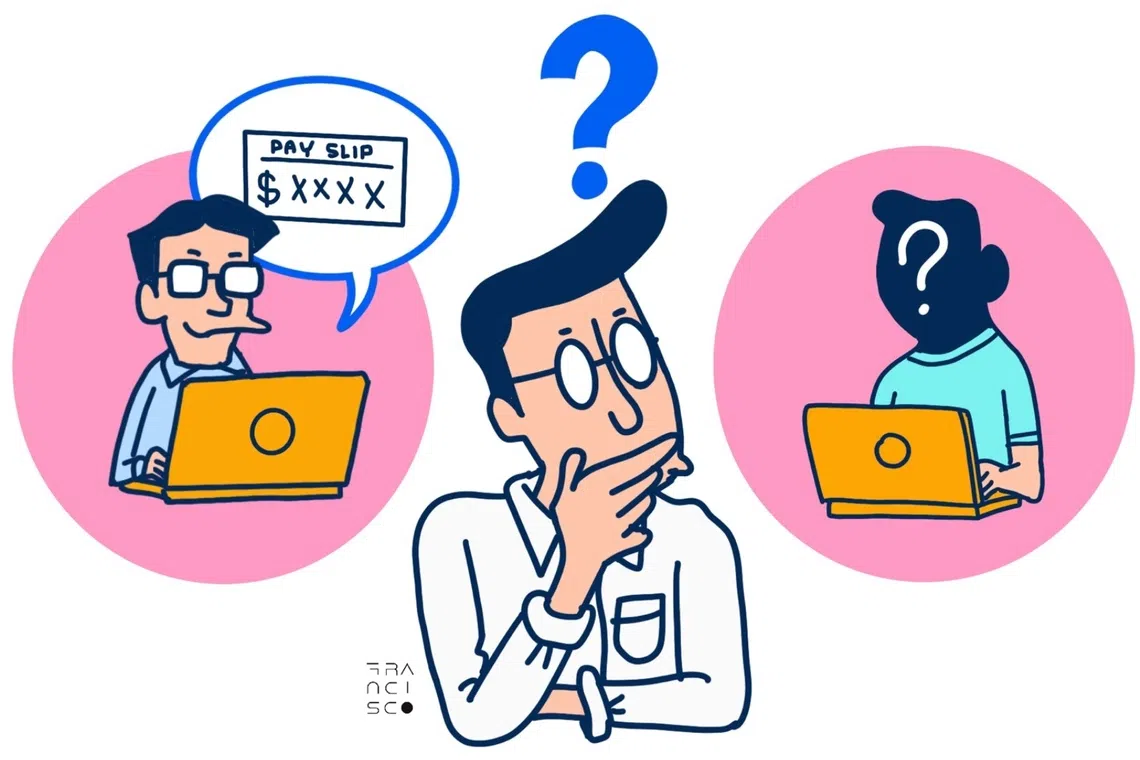
Sharing salary anonymously online can promote pay transparency, but it's essential to be mindful of employment contracts and avoid disclosing confidential remuneration information. Context is crucial to avoid unrealistic expectations and unnecessary workplace tension.
Imagine you're at a school and everyone's talking about how much money their parents make. You might feel left out or wonder why some people have more money than others. Sharing salary anonymously online is like that, but for grown-ups in the workplace. It can be helpful to know what others are making, but it's also important to remember that everyone's situation is different, and it's not always fair to compare.
Analysis
Salary Transparency: A Delicate Balance
Salary transparency is a complex issue, and sharing salary anonymously online can be both beneficial and detrimental. On one hand, it can promote pay transparency and fairness in the workplace. However, anonymous figures often lack context, making them of limited value and sometimes leading to unrealistic expectations.
David Leong, managing director of PeopleWorldwide Consulting, noted that salary is one of the most sensitive topics in the workplace because compensation is rarely determined by a single factor. Two employees with similar job titles may have very different pay due to experience, performance, specialised skills, market scarcity, business impact, or legacy employment terms.
In that sense, salaries should remain private, even among work colleagues. What begins as a confidential discussion can quickly turn into workplace gossip, with comments taken out of context and amplified through the rumour mill. The biggest risk is not discussing salary itself, but how the information spreads.
Maddy Goh, executive search partner at Inicio Group, said online salary discussions can serve as a 'reference point', but not a 'verdict'. A salary figure on its own reveals little about the scope of a role, its responsibilities, or why that package was offered in the first place. Companies discourage employees from discussing their salaries openly because, where pay disparities cannot be clearly explained, employees will naturally question whether the system is fair.
Pay transparency can improve fairness only when organisations have clear salary frameworks and managers who are prepared to explain how pay decisions are made. When employees understand the reasons behind pay decisions, conversations become far more constructive.
In conclusion, sharing salary anonymously online can be a personal choice, but it's essential to be mindful of employment contracts and avoid disclosing confidential remuneration information. Context is crucial to avoid unrealistic expectations and unnecessary workplace tension.
Key points
- Sharing salary anonymously online is generally okay, but be cautious not to disclose confidential company information.
- Anonymous figures often lack context and can lead to unrealistic expectations.
- Context is crucial to avoid unrealistic expectations and unnecessary workplace tension.
- Pay transparency can improve fairness only when organisations have clear salary frameworks and managers who are prepared to explain how pay decisions are made.
If employees and employers can have open and honest conversations about salaries, it could lead to a more transparent and fair workplace. This could also help to reduce workplace gossip and tension, creating a more positive and productive work environment.
If employees and employers are not careful, sharing salary anonymously online could lead to unrealistic expectations and unnecessary workplace tension. This could also create a culture of comparison and competition, rather than collaboration and teamwork.