Is making Iran poorer easier than forcing it to surrender?
US media outlets largely agree that new economic pressure on Iran will hurt its economy but question its ability to change Tehran's behavior. While sanctions may impoverish Iran, forcing surrender remains uncertain.
Intelligence analysis by Gemini 2.5 Flash Lite
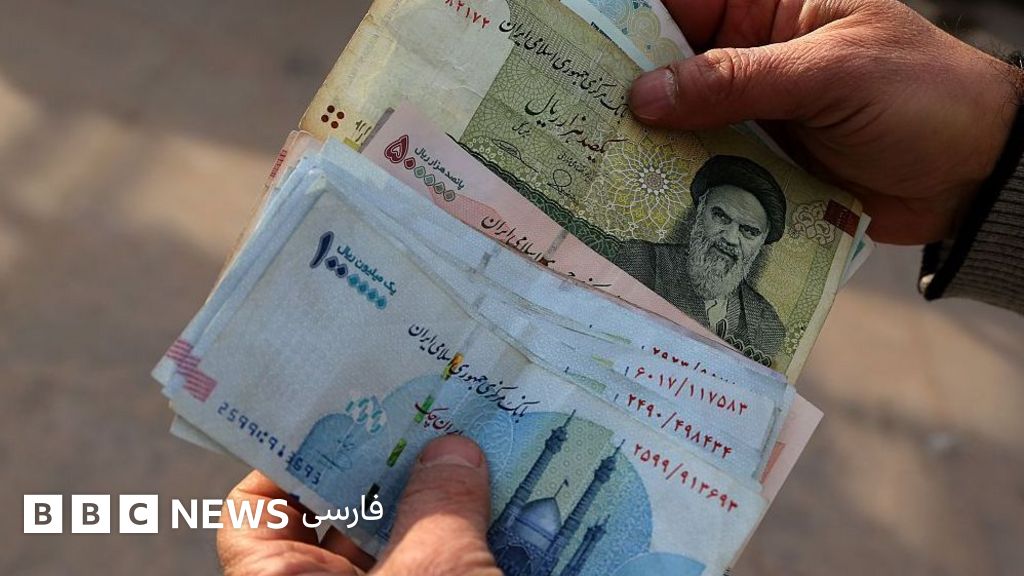
US media analysis suggests that while new economic sanctions will significantly damage Iran's economy, their effectiveness in compelling Tehran to change its behavior is highly doubtful. Reports highlight inflation and food price surges, but also note Iran's resilience and potential to circumvent sanctions, particularly with China's role.
Imagine trying to make someone give up their favorite toy by taking away their snacks. They might get hungry and unhappy, but they might also find other ways to get food or just decide they really want to keep the toy. Sanctions are like taking away snacks for Iran; it makes things harder, but it doesn't guarantee they'll give up what they want.
Analysis
New Sanctions
The recent escalation of US economic pressure on Iran has been met with widespread analysis across American media, largely converging on a central theme: the sanctions will undoubtedly inflict further damage on Iran's economy, but their capacity to force a change in Tehran's strategic calculus remains highly questionable. Fox News, often seen as aligned with former President Trump's policies, highlighted the significant drop in Iran's oil exports, from 1.5 million barrels per day to around 500,000, and pointed to soaring inflation and food prices as evidence of severe economic blows. However, even this outlet concluded that while the US Treasury's policies might make Iran "much poorer," it's uncertain whether this will lead to Iran's capitulation.
Bloomberg, in a podcast titled "Iran's Economic Lifeline," delved into whether Iran can sustain revenue sufficient for regime survival. The analysis linked this to China's policies, Iran's success in evading sanctions, and global oil prices. The key question, according to analysts, is not whether Iran is under pressure—it clearly is—but whether it can withstand this pressure indefinitely without political collapse. The answer remains ambiguous, suggesting a complex interplay of internal resilience and external factors.
Political Fallout
The Daily Beast offered a contrasting perspective, focusing on the domestic political ramifications for the Trump administration. Its analysis, titled "Trump's Iran Policy Is Becoming a Political Disaster," argued that the stated goals of the "maximum pressure" campaign have not been met. The economic consequences, particularly rising energy prices, are becoming a political liability for Trump, who is reportedly seeking an exit strategy that avoids the appearance of defeat. This suggests that the geopolitical strategy is increasingly being shaped by domestic political considerations, potentially limiting its long-term viability or leading to unpredictable shifts in policy.
Strategic Weaknesses
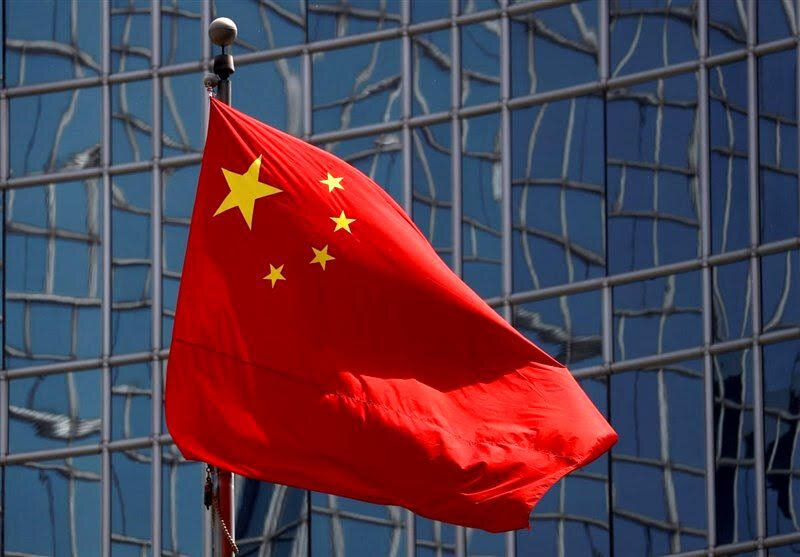
The Wall Street Journal also examined the economic impact, noting reports of panic buying and fuel shortages in Iran, alongside a significant decline in oil exports. However, it echoed Bloomberg's assessment that Iran's economy has not yet collapsed, identifying China as a crucial factor in sustaining Iran's economic lifeline. A key weakness in the Trump administration's strategy, according to the Journal, is its reluctance to directly confront Chinese banks and financial institutions. As long as these channels remain open, Iran retains some capacity for financial transactions and oil exports, undermining the full impact of US sanctions.
Former US officials and diplomats have been vocal in their criticism. Robert Malley, the Biden administration's special envoy for Iran, stated that ordinary Iranians would be the primary victims, with their suffering becoming the benchmark for the policy's success. Ben Rhodes, a former senior advisor to Barack Obama, suggested that Israeli Prime Minister Netanyahu's efforts to draw the US into conflict with Iran, which failed under Obama, succeeded under Trump, leading to a "defeat" for the US.
Nick Schanzer, a former Trump administration official, argued in Foreign Affairs that neither war nor economic pressure will achieve Washington's goals. He contends that the "maximum pressure" campaign has significantly weakened the strategic credibility the US built over decades on the threat of military action and sanctions. Iran has realized that a full-scale US invasion is unlikely, and airstrikes alone are insufficient to change the political system. This realization diminishes the future utility of war threats as a bargaining tool. Furthermore, Schanzer posits that Iran understands the US public's limited tolerance for the economic costs of confrontation, enabling Tehran to mitigate the impact of US sanctions by increasing these costs. The military actions, rather than enhancing pressure, have blunted the effectiveness of war and sanctions, forcing Washington to fundamentally reassess its Iran policy.
Key points
- US media largely doubts the effectiveness of new economic sanctions in forcing Iran to change its behavior, despite acknowledging significant economic damage.
- Iran's oil exports have drastically decreased, contributing to high inflation and food price surges, but the regime's survival is not yet threatened.
- China's continued economic engagement is seen as a critical factor in Iran's ability to withstand sanctions.
- Former US officials criticize the 'maximum pressure' policy, arguing it harms ordinary Iranians and weakens US strategic credibility.
- The policy's effectiveness is questioned, with concerns that it may lead to increased regional instability or internal Iranian dissent without policy change.
If the economic pressure successfully forces Iran to significantly alter its regional behavior or nuclear program, it could lead to a de-escalation of tensions in the Middle East and potentially open avenues for renewed diplomatic engagement.
The continued application of sanctions without achieving policy changes could lead to increased suffering for the Iranian population, further entrenching hardline elements within the government and potentially pushing Iran towards more provocative actions.
Market signals
- OIL Increased geopolitical tensions and potential supply disruptions stemming from US-Iran economic pressure could lead to higher oil prices.
AI-generated analysis of potential market relevance. Not financial advice.